Memory One, AI Collar That Tracks Dog Activity, Targets Rp6.3 Trillion Market
Baca dalam 60 detik
- OurenPet meluncurkan Memory One, perangkat wearable AI yang merekam keseharian hewan peliharaan lewat video, audio, dan GPS, dengan harga perdana US$259 di Indiegogo.
- Perangkat ini menawarkan fitur live streaming untuk mencari hewan hilang serta analisis perilaku berbasis AI, menyasar pemilik anjing dan kucing di kota besar.
- Peluang pasar teknologi pet di Indonesia terbuka lebar, namun tantangan regulasi data dan daya beli menjadi ujian adopsi.
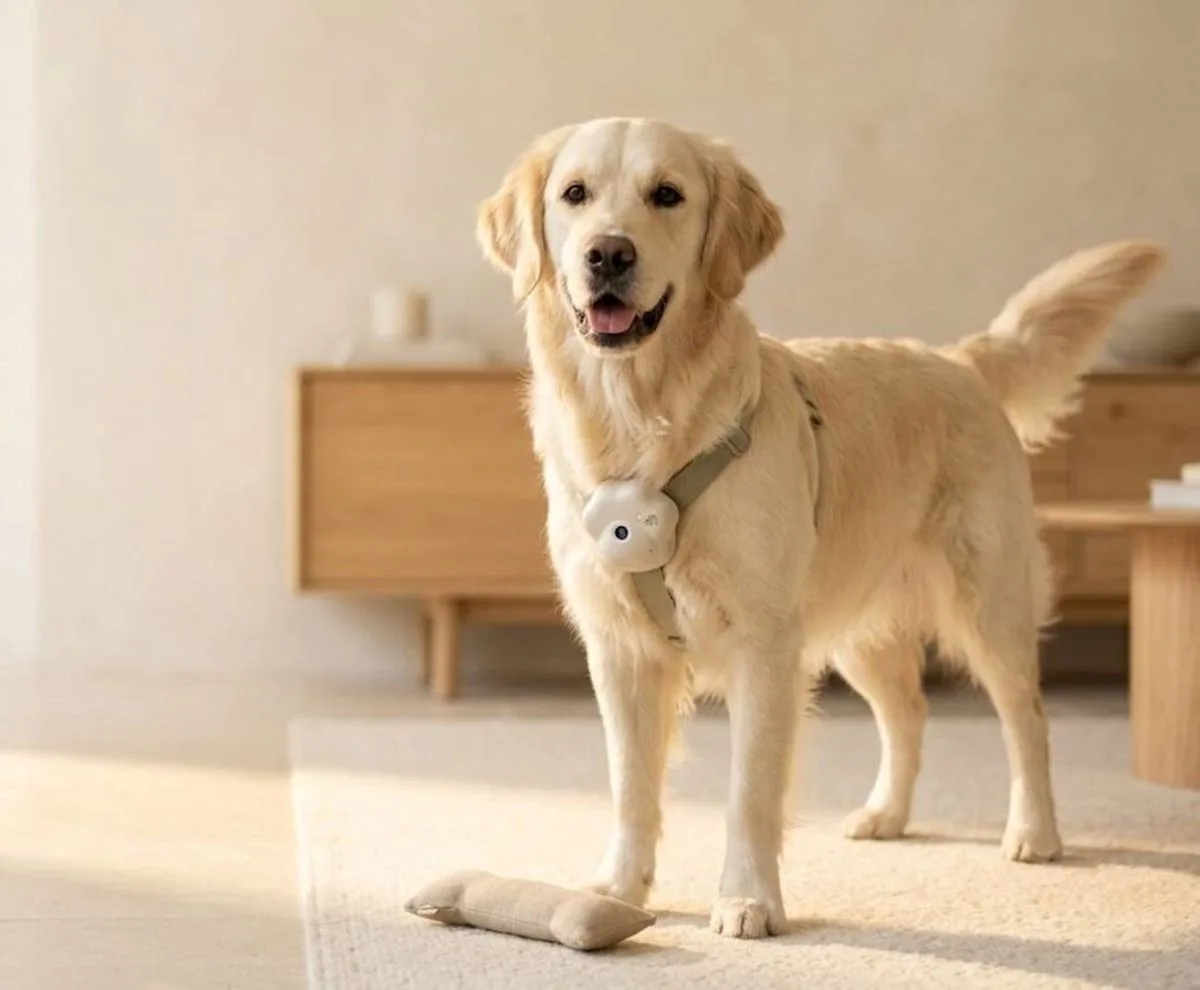
Boston-based technology company OurenPet has officially launched Memory One, an artificial intelligence-based wearable device designed to record and analyze the daily activities of pets. The launch was carried out through a crowdfunding campaign on the Indiegogo platform at an early-bird price of US$259, about 35 percent cheaper than the planned retail price of US$399. The campaign runs until October 30, and the first units are expected to ship starting mid-December.
Memory One combines four main technologies: a camera, a microphone, an activity sensor, and a location tracker. The collected data is processed partly on the device and partly in the cloud, then turned into a digital diary, short videos, and highlights of important moments. For pet owners, the device promises a complete picture of what their dog or cat does while left at home.
The most prominent feature is live video access that can be used to track a lost pet. If a pet runs away, the owner can open a real-time camera feed from the device to see the surrounding environment. A combination of outdoor GPS, nearby Bluetooth signals, and an LED light on the device helps narrow the search area. OurenPet is also developing richer pet profiles based on recurring activity patterns, as well as a feature to log encounters between animals and connect with other owners.
OurenPet's move into the pet wearable market is not without reason. The global market for pet technology is projected to grow rapidly, driven by the rising number of pet owners in urban areas and their willingness to spend more on pet health and safety. In Indonesia, the trend of keeping dogs and cats in major cities such as Jakarta, Surabaya, and Bandung continues to rise, especially among millennials and Gen Z. However, adoption of these advanced devices still faces obstacles in purchasing power and digital infrastructure.
According to consumer technology analysts, devices like Memory One could potentially become a bridge between lifestyle and the emotional needs of pet owners. "Modern pet owners not only want to make sure their pets are safe, but also want to be emotionally involved in the animal's daily life," said an industry observer who declined to be named. He added that the integration of AI to detect behavioral anomalies could be a key selling point, especially for early detection of health problems.
Even so, the challenges are not light. The US$259 price, equivalent to Rp4.1 million, is still relatively expensive for the Indonesian market, where average monthly spending on pets ranges from Rp500 thousand to Rp1.5 million. In addition, the issue of data privacy is a concern. OurenPet states that users can choose whether their pets' behavioral data is shared or kept private. However, personal data protection regulations in Indonesia (UU PDP) demand clarity in the management of data sent to the cloud, especially if servers are located abroad.
"We want every animal to have a personal story, but one that can still be shared with family and friends if desired," said an OurenPet representative in an official statement.
Going forward, OurenPet plans to expand the ecosystem with social networking features among pet owners. If successful, Memory One will not only be a tracking device, but also a community platform. The question is, will Indonesia's large but price-sensitive market be able to become one of the main markets, or will it instead be only a niche segment for premium buyers?