Guruh Soekarnoputra Dies: PDI-P Loses Artist-Marhaenist Amid National Political Dynamics
Baca dalam 60 detik
- Guruh Soekarnoputra, putra bungsu Soekarno, meninggal di RS Siloam Semanggi pada 26 September 2026 setelah sehari dirawat intensif.
- PDI-P menempatkan almarhum sebagai seniman besar dan pejuang partai, dengan protokol penghormatan khusus.
- Kepergian tokoh sentral keluarga Soekarno ini berpotensi menggeser peta simbolik dan elektoral PDI-P menjelang agenda politik mendatang.
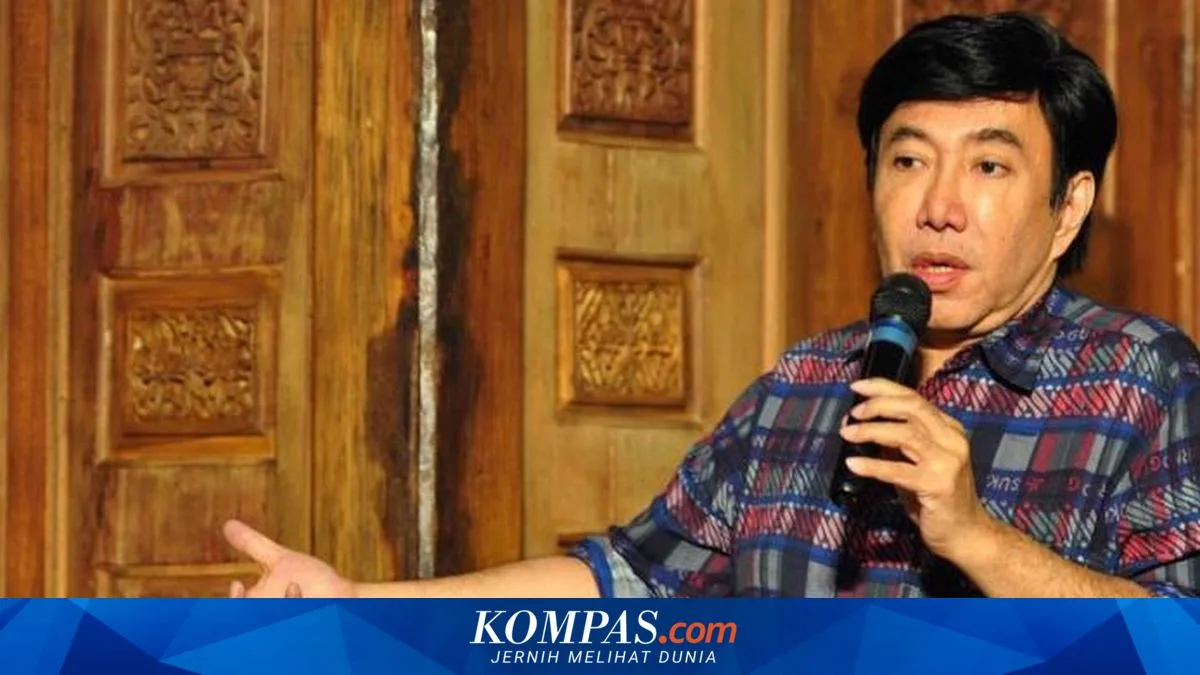
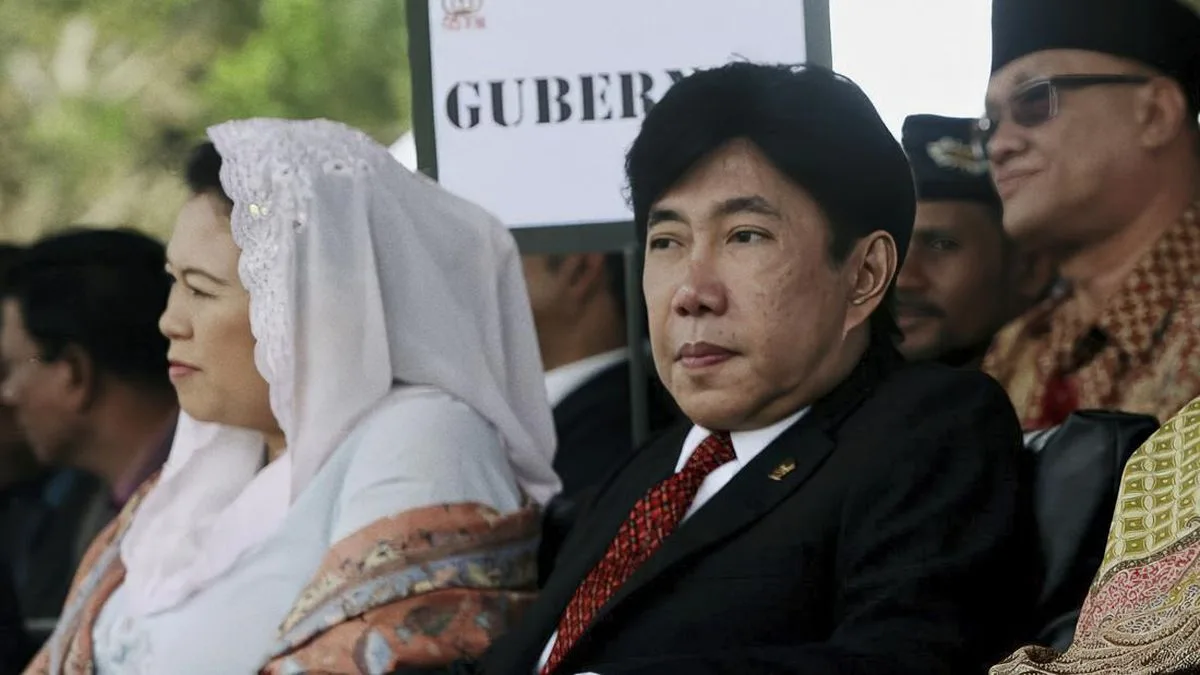
Guruh Soekarnoputra, the youngest son of Indonesia's first President Soekarno, died at MRCCC Siloam Hospital, Semanggi, Jakarta, on Saturday (26/9/2026) at 04.16 WIB. The news came just a day after he underwent intensive care. The 73-year-old leaves behind a long legacy as an artist and politician closely identified with PDI-Perjuangan.
Guruh's passing closes an important chapter in the history of the Soekarno family. As the younger brother of PDI-P Chairwoman Megawati Soekarnoputri, he was not merely a family figure but a symbol of the continuity of Marhaenism values on the stage of power. PDI-P Secretary-General Hasto Kristiyanto called the deceased "a great artist, a Marhaenist figure, and a Party Fighter" deserving of respect through party protocol. Before his death, Hasto had asked for public prayers for Guruh's recovery—a sign that his condition was indeed critical.
The news also raises the question of who will fill the cultural role Guruh leaves behind. For decades, he was known as a dancer, choreographer, and arts advocate who could bridge the world of politics with cultural expression. That position is not easily replaced, especially in a party that has long relied on Soekarno's historical narrative as its ideological foundation.
For the Indonesian public, especially investors and market players, Guruh's passing is more than just sad news. He was part of the PDI-P legitimacy structure that has long been one of the pillars of national political stability. In recent years, the issue of regeneration and consolidation of political power has come under scrutiny, especially ahead of the election cycle. The loss of a figure with moral authority as a direct heir of Soekarno could affect how the party builds its narrative and tends to its traditional mass base.
"The extended family of PDI Perjuangan has truly lost Mas Guruh Soekarnoputra. We give the best respect to the deceased with Party Protocol," said Hasto Kristiyanto.
PDI-P politician Guntur Romli added that the party will hold a joint prayer. "Please pray from the people of Indonesia for the recovery of Mas Guruh Soekarnoputra," he said before the news of the death was confirmed. The statement shows that Guruh still holds a special place in the hearts of cadres, even though he rarely appeared on the front lines of practical politics.
From a market perspective, this event does not immediately change economic fundamentals. However, in the medium term, the internal dynamics of the party that won the 2024 election deserve close attention. The stability of the coalition and the direction of policy that depends on elite political consensus could be affected if the balance of power within PDI-P shifts. Investors holding rupiah-denominated assets, especially government bonds and state-owned company shares, are usually sensitive to such signals of political uncertainty.
Guruh never held an executive position in government. However, his influence as a guardian of the collective memory of Soekarno made him an invaluable asset to the party. He was often present at Pancasila Day commemorations, arts festivals, and cultural events that reinforced PDI-P's identity as a nationalist-religious party. His absence could reduce the party's cultural appeal among young voters who are growing weary of transactional politics.
It is also worth noting that the funeral procession and final respects will become a political stage of their own. The presence of national figures, including from outside PDI-P, will indicate how broad the network and respect Guruh built over the years. For the public, this moment can be a mirror of how political elites interpret the legacy of the founding fathers amid the challenges of the times.
Going forward, the big question is: who will tend to Soekarno's cultural and ideological legacy within PDI-P? Will the party elevate a new figure capable of uniting the artistic and political dimensions like Guruh, or will it let that void be filled by a more technocratic narrative? The answer will shape the face of PDI-P in the next decade.