White House Bars CNN From Air Force One, Testing US Press Freedom
Baca dalam 60 detik
- Gedung Putih mencoret CNN dari daftar jurnalis yang ikut terbang bersama Presiden Trump ke Tennessee, Sabtu (26/9/2025).
- Larangan ini memperparah konflik administrasi Trump dengan media setelah sebelumnya mencabut akses CNN, MS Now, dan Politico dari Gedung Putih.
- Putusan pengadilan yang memerintahkan pemulihan akses belum sepenuhnya dijalankan, memicu kekhawatiran pelemahan kebebasan pers.
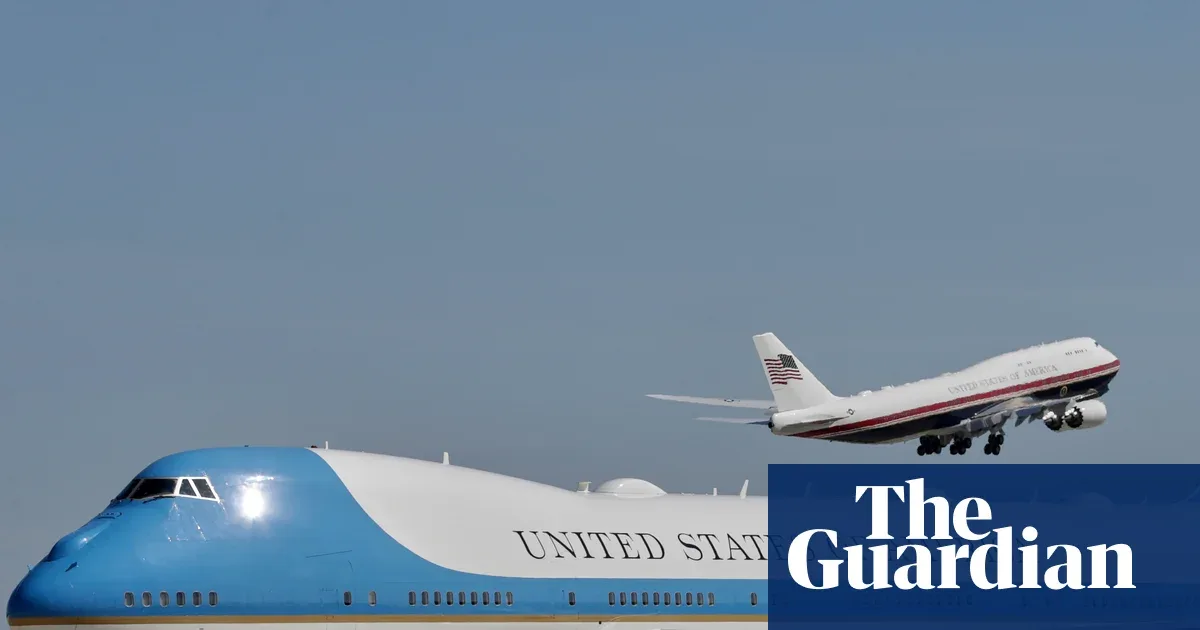
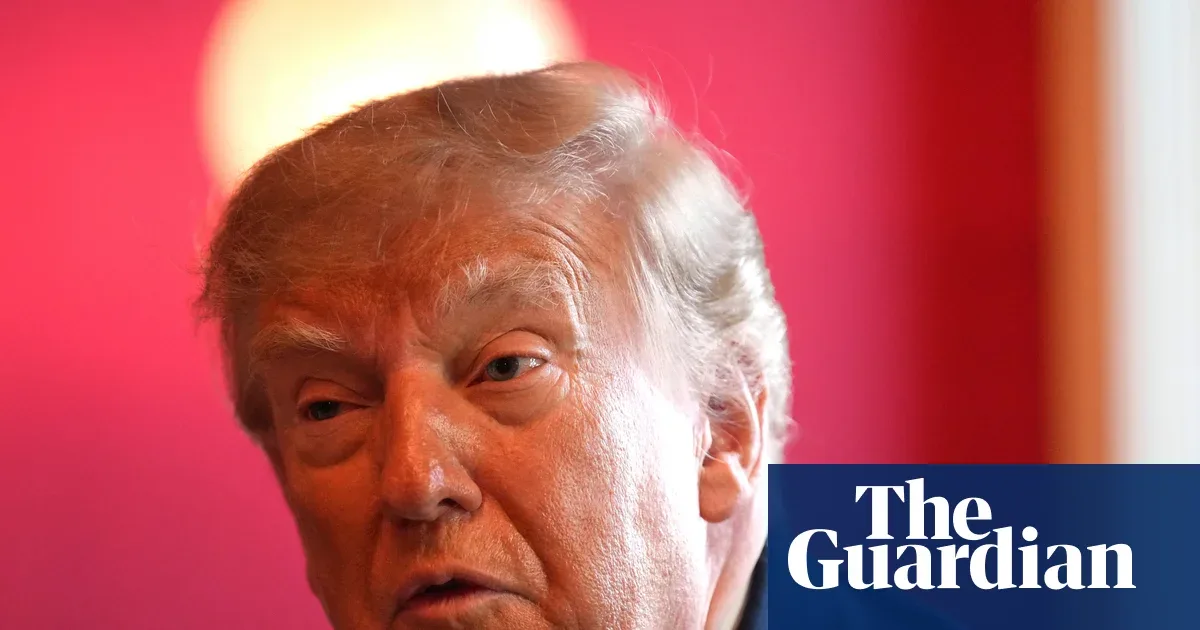
The White House has again tightened media access by barring CNN from joining the Air Force One press pool as President Donald Trump traveled to Tennessee to attend a college football match on Saturday (26/9/2025). The ban directly hampers CNN's duties as part of the television pool responsible for distributing coverage to news networks.
According to CNN, the network had initially been scheduled to join the presidential flight. However, the White House did not include CNN in the guidance for Trump's travel schedule sent to the press corps, ensuring the exclusion. The Washington Post first reported the news, while the White House has not given an official response to the Guardian's request for confirmation.
The incident marks a new chapter in tensions between Trump's team and the mainstream media. The previous week, Trump revoked White House access for CNN, MS Now, and Politico over what he called unfavorable coverage. Through the Truth Social platform, Trump accused the media of often writing "fiction and lies", and threatened similar action against other outlets. The policy drew protests from the White House press pool, which briefly halted video coverage in solidarity.
"The public has a vital interest in receiving accurate and independent information about its government. No administration should restrict a news organization because it dislikes its coverage," read a joint statement from the White House television pool on Monday (22/9/2025).
CNN, MS Now, and Politico then sued over the ban in court, alleging a violation of the First Amendment to the US Constitution. The Department of Justice argued the ban was in the interest of national security, citing coverage involving "sensitive" and "classified" information. US District Judge Timothy Kelly ruled in favor of the media and ordered access restored. Nevertheless, on Thursday (25/9/2025) morning, journalists from the three outlets were only allowed into the White House near midday. Hours later, CNN's editorial team and an MS Now reporter were barred from covering a state dinner for Chinese President Xi Jinping.
The press pool practice itself has changed since the start of Trump's second term in 2025. Where the White House Correspondents' Association previously coordinated the media rotation, the White House now decides for itself which outlets may cover the president each day. Journalists view this change as a systematic effort to limit independent scrutiny.
For Indonesia, this dynamic is an important mirror. Eroding press freedom in a major democracy can influence how other governments, including Indonesia, view the importance of protecting journalism. When media access to the primary resources of power is narrowed, the public loses a tool for verifying policy. On the other hand, Indonesia-US bilateral relations—especially on trade and geopolitical issues—often depend on information flowing freely from Washington. Restrictions like this could make it harder for Indonesian media to gain direct access to the White House, forcing them to rely on foreign news agencies that may have their own biases.
Going forward, the big question is not only whether CNN will be allowed back on Air Force One, but how far the courts can force the White House to comply with rulings. If the Trump administration continues to ignore legal orders, a bad precedent for US democracy will strengthen—and the world, including Indonesia, must prepare for the consequences for global information freedom.