Guruh Soekarnoputra Passes Away, to Be Buried After Zuhur at Karet Bivak
Baca dalam 60 detik
- Guruh Soekarnoputra, putra bungsu Presiden Soekarno, meninggal dunia pada usia 73 tahun setelah dirawat di RS Siloam Semanggi.
- Jenazah akan dikebumikan di TPU Karet Bivak, Jakarta, selepas salat Zuhur, sesuai wasiat almarhum yang telah menyiapkan sendiri kain kafannya.
- Kepergian seniman sekaligus politikus PDIP ini menutup babak penting dinamika politik dan seni Indonesia yang membentang lebih dari empat dekade.
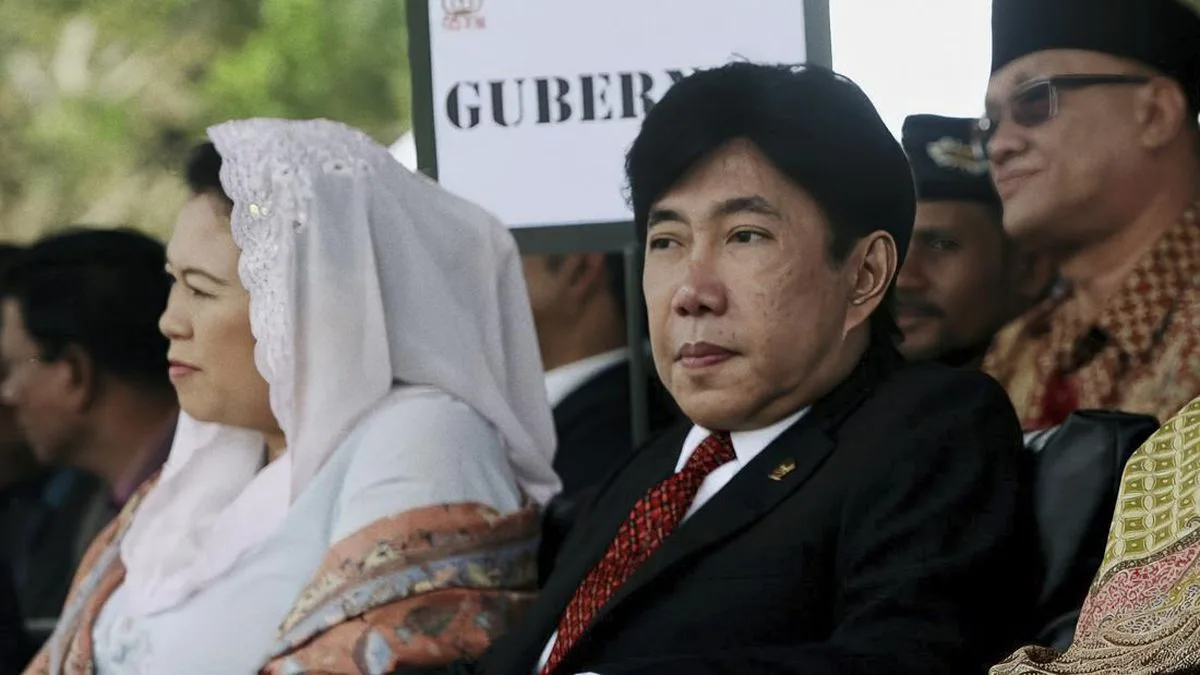
Mourning has enveloped Indonesia's political and artistic circles. Muhammad Guruh Irianto Soekarnoputra, the youngest son of Indonesia's first president Soekarno, died on Saturday (26/9) at Siloam Semanggi Hospital in Jakarta at the age of 73. The body will be buried at the Karet Bivak Public Cemetery in Central Jakarta after Zuhur prayers, in accordance with the wishes the deceased expressed during his lifetime.
The confirmation of the burial site was disclosed by the 11th Minister of Tourism and Creative Economy, Sandiaga Uno, when he paid his respects at Guruh's residence. According to Sandiaga, the deceased had prepared all his burial needs, including a shroud made from a fabric favored by Fatmawati, Guruh's mother. "The plan is that after zuhur he will be buried at Karet Bivak," Sandiaga said, stressing that the choice of location was the deceased's testament.
News of Guruh's death was conveyed by PDIP Secretary-General Hasto Kristiyanto. In his official statement, Hasto expressed deep condolences and confirmed that the deceased died after undergoing intensive care. "Mr. Mohammad Guruh Irianto Soekarnoputra bin Sukarno has passed away to the mercy of Allah at the age of 73," Hasto said, while offering prayers for the deceased.
Guruh was more than just the heir to Soekarno's great name. He was a multidimensional figure who left his mark on the arts, particularly dance and music. From a young age, he founded the arts groups Swara Mahardika and GSP Production, and was involved in the legendary music groups Guruh Gipsy and Gank Pegangsaan alongside Keenan Nasution, Abadi Soesman, and Chrisye. His compositions such as "Kala Sang Surya Tenggelam", "Melati Suci", "Zamrud Khatulistiwa", "Lenggang Puspita", "Mahadaya Cinta", and "Galih dan Ratna" have become an inseparable part of Indonesia's musical heritage.
In education, Guruh studied Archaeology at the University of Amsterdam for three years until 1974, then earned a Bachelor's degree in Public Administration from STIAMI in 2008 and a Master's in Management in 2010. His unique academic background—combining art, archaeology, and administration—reflected the breadth of his interests.
In politics, Guruh joined PDI in 1982 and remained loyal when it became PDIP in 1999. He held a seat in the DPR RI for five consecutive terms from 1999 to 2024, representing East Java. His position as the younger brother of the 5th President Megawati Soekarnoputri made him a central figure in the party's internal dynamics, though he was better known as an artist than a pragmatic politician.
"He had prepared the fabrics to be used, the fabric favored by Bu Fat," recalled Sandiaga Uno, describing the deceased's careful planning toward the end of his life.
Guruh's passing marks the end of a generation of the Soekarno family active on the national stage. For more than four decades, he bridged Bung Karno's legacy with contemporary cultural expression, making him an icon respected across generations. For PDIP, this loss is not only about losing a senior cadre, but also a symbol of the severed direct link to the nation's founder.
From the perspective of national politics, Guruh's death could trigger a shift in the party's internal configuration, especially ahead of the coming political years. Although he never held a top executive position, his cultural influence carried its own weight in every strategic party decision. The public will also be watching how PDIP manages this symbolic transition, while gauging the extent to which Guruh's artistic and political legacy will continue to live on in Indonesia's cultural landscape.