Luxury Facilities in Cibinong Prison: When a Jail Turns Into a Hotel, Justice Is at Stake
Baca dalam 60 detik
- Ombudsman RI menemukan sekitar 10 unit hunian bergaya homestay dengan kulkas berisi minuman beralkohol dan mobil mewah terparkir di Lapas Kelas IIA Cibinong.
- Perbedaan tafsir antara Ombudsman dan Kanwil Kemenkumham Jabar soal status bangunan—fasilitas khusus narapidana atau sarana asimilasi dan rumah dinas—memicu pertanyaan tentang akuntabilitas pengelolaan lapas.
- Jika dibiarkan, praktik ini berpotensi menciptakan ketimpangan di sistem pemasyarakatan dan mengikis kepercayaan publik terhadap penegakan hukum.
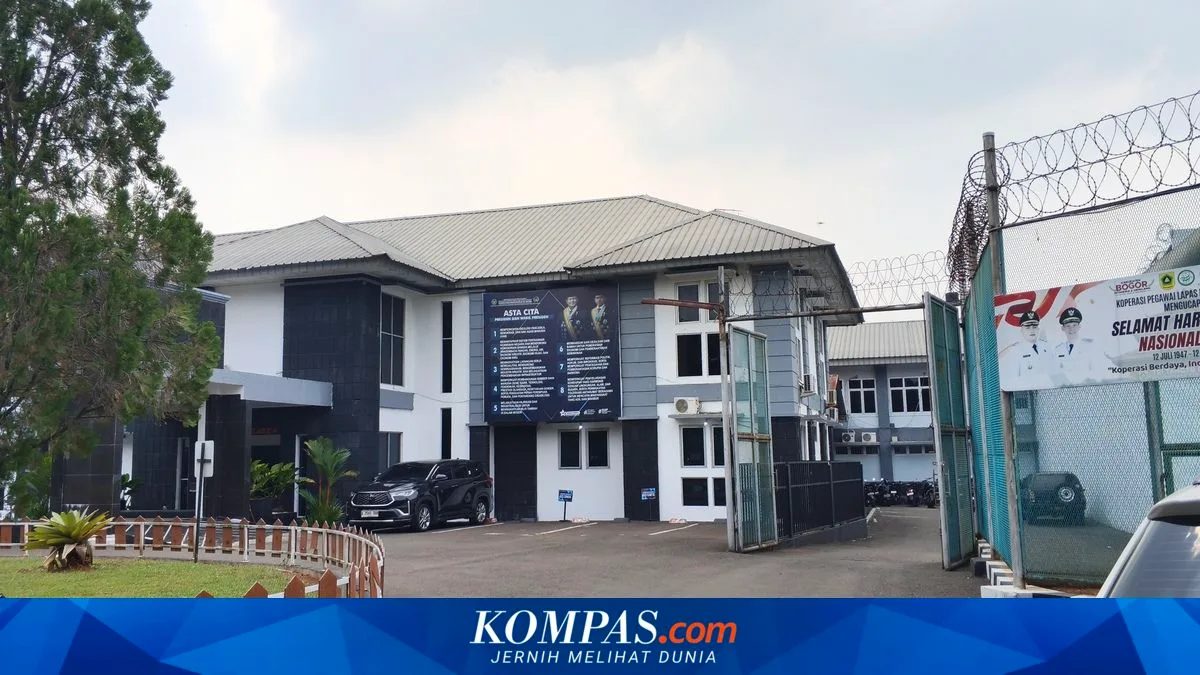
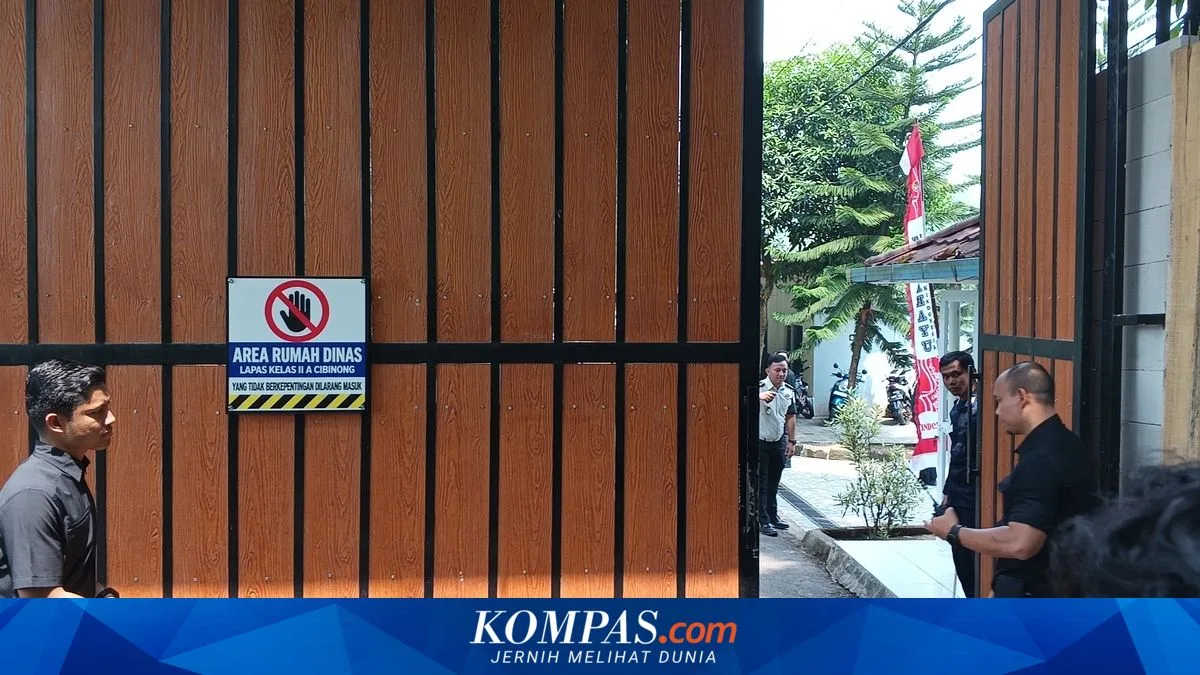
The Ombudsman of the Republic of Indonesia uncovered startling findings from an unannounced inspection at the Class IIA Correctional Facility in Cibinong, Bogor Regency, West Java. About ten buildings resembling homestays with complete facilities—from refrigerators stocked with bottles of alcohol to rows of parked luxury cars—were found inside the prison area. The findings reopen an old wound: the practice of special treatment behind bars in a place meant for rehabilitation, not lodging.
The inspection, carried out last week, immediately sparked controversy. The Ombudsman suspects the buildings are special facilities for certain inmates. However, the West Java Regional Office of the Directorate General of Corrections firmly denies this. It says the buildings are assimilation facilities—formerly called Sarana Asimilasi dan Edukasi (SAE)—as well as a number of official residences. This discrepancy in accounts must not be allowed to become an endless war of narratives.
History shows that similar cases are nothing new. In 2010, the public was shocked by Artalyta Suryani's luxury cell at Pondok Bambu Detention Center. Eight years later, Sukamiskin Prison in Bandung was again tarnished by exclusive facilities for corruption convicts. This recurring pattern indicates a chronic disease in correctional governance: weak oversight and a blurred line between inmates' rights and undue privilege.
If the buildings really are assimilation facilities, the government must disclose who uses them, what rehabilitation activities are carried out, and how the facilities support correctional goals. Conversely, if they are official residences, it must be clear who is entitled to occupy them, under what rules, and from which budget they were built. All these questions can be answered through documents, physical inspections, usage records, and budget accountability. Without transparency, the public will only see an attempt to deflect the issue by renaming the buildings.
Prisons are the final outlet of the legal system. However good the law enforcement process and the judge's verdict may be, if the downstream aspect is not carried out properly, the justice being fought for comes to nothing. Luxury facilities inside prisons not only wound the public's sense of justice but also risk creating systemic inequality. Inmates with financial resources or political connections can enjoy comfort, while others must accept conditions as they are. This is a form of structured injustice.
For readers in Indonesia, especially investors and professionals, these findings are a mirror of how important clean governance is in every line of government. Indonesia's law enforcement reputation in the eyes of the world could be harmed if such practices continue. Investment and the business climate depend heavily on just legal certainty. When prisons—institutions that should symbolize the state's firmness—instead become special places for a select few, trust in the legal system erodes.
"This discrepancy in accounts must not end as a war of narratives. At this point it must be proven that the law does not stop at a building's nameplate," reads an excerpt from the analysis in the Kompas column written by Agus Riwanto, a lecturer and public policy observer.
Going forward, the Indonesian Ombudsman needs to ensure that its improvement recommendations are carried out seriously. The Ministry of Immigration and Corrections (Imipas), together with the Correctional System Supervisory Agency (Bappisus), inspected the location directly on Friday (25/9/2026). However, a field visit without firm follow-up will only be a meaningless routine. The public is waiting to see whether there will be sanctions for those responsible, or whether this case will vanish like smoke without resolution.
The big question: is this country capable of overhauling its correctional system as a whole, or will we simply keep witnessing the same cycle of scandals under different prison names? The answer will determine the face of Indonesian justice in the future.