Gibran Visits Solok Flood Victims, Stresses Mitigation and Early Warning
Baca dalam 60 detik
- Wapres Gibran Rakabuming mengunjungi keluarga korban banjir bandang Solok dan menjenguk korban yang dirawat di Padang.
- Pemerintah diminta memprioritaskan keselamatan warga, mempercepat pemulihan fasilitas umum, dan memperkuat sistem peringatan dini.
- Kunjungan ini menyoroti perlunya koordinasi lintas sektor dalam penanganan bencana hidrometeorologi di Indonesia.
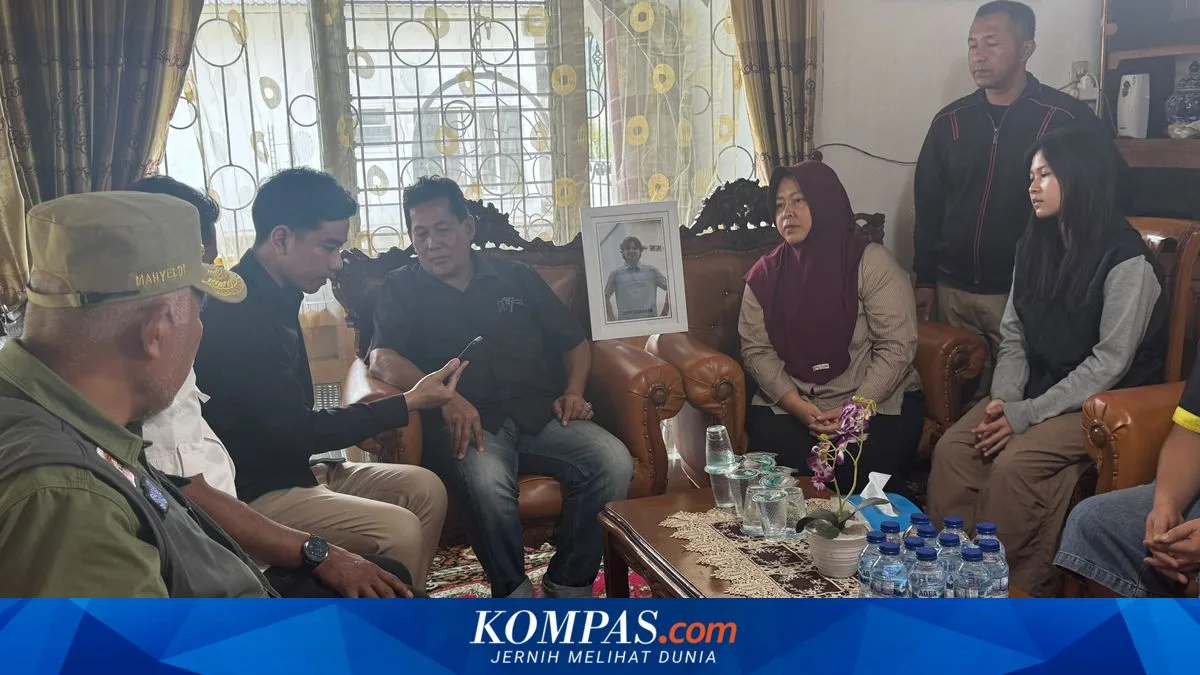
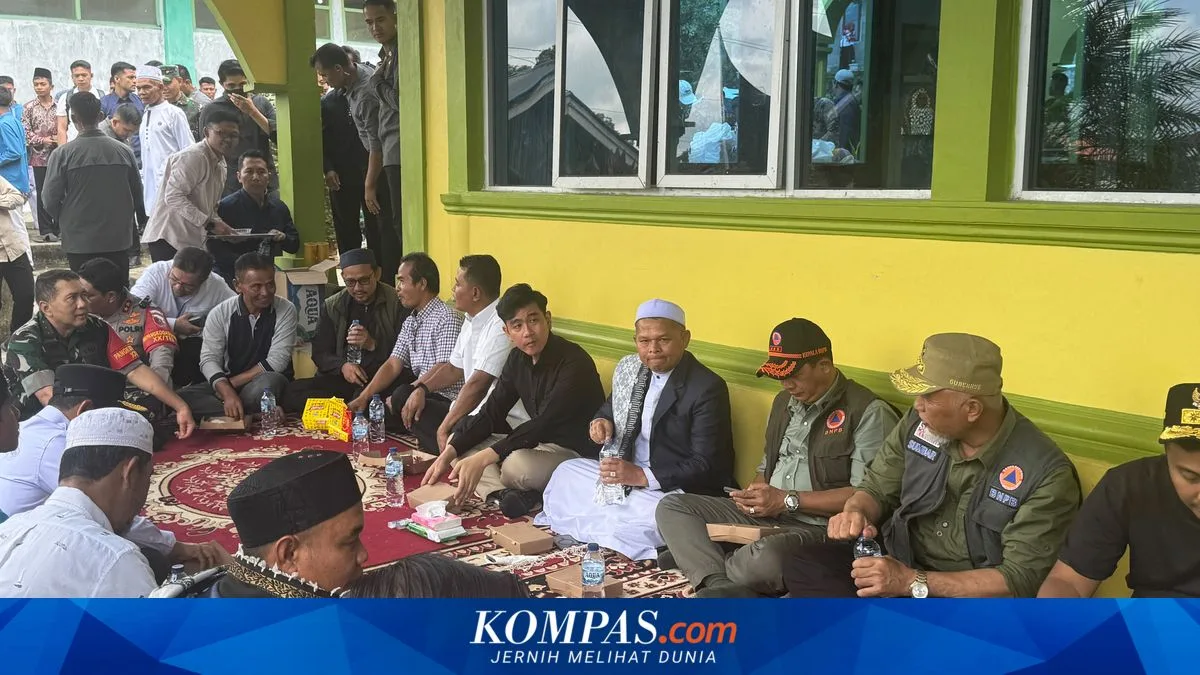
Vice President Gibran Rakabuming Raka expressed his condolences to the family of Dafi Arahman, a victim of the flash flood in Solok Regency, West Sumatra. During a working visit on Friday (25/9/2026), Gibran went directly to the home of the deceased's family to offer moral support.
"I extend my deepest condolences to the family of the late Dafi Arahman, who was a victim of the flash flood in Solok," Gibran said in a written statement. He also prayed that the deceased would be given the best place and that the bereaved family would be granted fortitude.
Beyond paying his respects, Gibran held a video call with Affan Alqadri, the deceased's older brother, who was also a victim and is being treated at RSUP Dr. M. Djamil, Padang. He asked about Affan's health condition and ensured that medical treatment was proceeding optimally.
During his review, Gibran stressed that the response to the flash flood must prioritize public safety. He asked all stakeholders to ensure that the basic needs of affected residents are met and to speed up the restoration of access and public facilities.
Gibran also warned of the potential for high-intensity rain and follow-up landslides. According to him, early warning information must be fast, easily accessible, and understood by the public, and must be followed up to anticipate the risk of further disasters.
"For the family, such a loss is certainly very heavy. May the deceased be given the best place with Allah SWT and may the bereaved family be given strength and fortitude," Gibran said.
The visit highlights the importance of cross-sector coordination in disaster response. Indonesia, located in a region prone to hydrometeorological disasters, faces serious challenges, especially during the rainy season. Climate change is also worsening the intensity and frequency of extreme weather.
For readers in Indonesia, this event underscores the urgency of investing in reliable early warning systems and disaster-resilient infrastructure. In addition, community preparedness is key to reducing the risk of loss of life. Local and central governments need to strengthen synergy, including in funding and technology.
Going forward, the question is how far the government is committed to strengthening disaster mitigation across all vulnerable areas? Without concrete steps, the potential for economic and social losses from disasters will continue to loom.