Cibinong Prison Raid: Empty Furniture, Promised Investigation, and the Shadow of Illegal Fees
Baca dalam 60 detik
- Menteri Imipas Agus Andrianto bersama Kepala Bappisus Aris Marsudiyanto menyidak Lapas Cibinong setelah temuan Ombudsman soal fasilitas mewah.
- Sidak menemukan perabotan lengkap di satu rumah, namun AC dicopot dengan alasan rusak; rumah lain kosong dari barang mewah.
- Investigasi dijanjikan, tetapi publik menanti apakah temuan ini mengungkap praktik pungli yang lebih sistemik di lembaga pemasyarakatan.
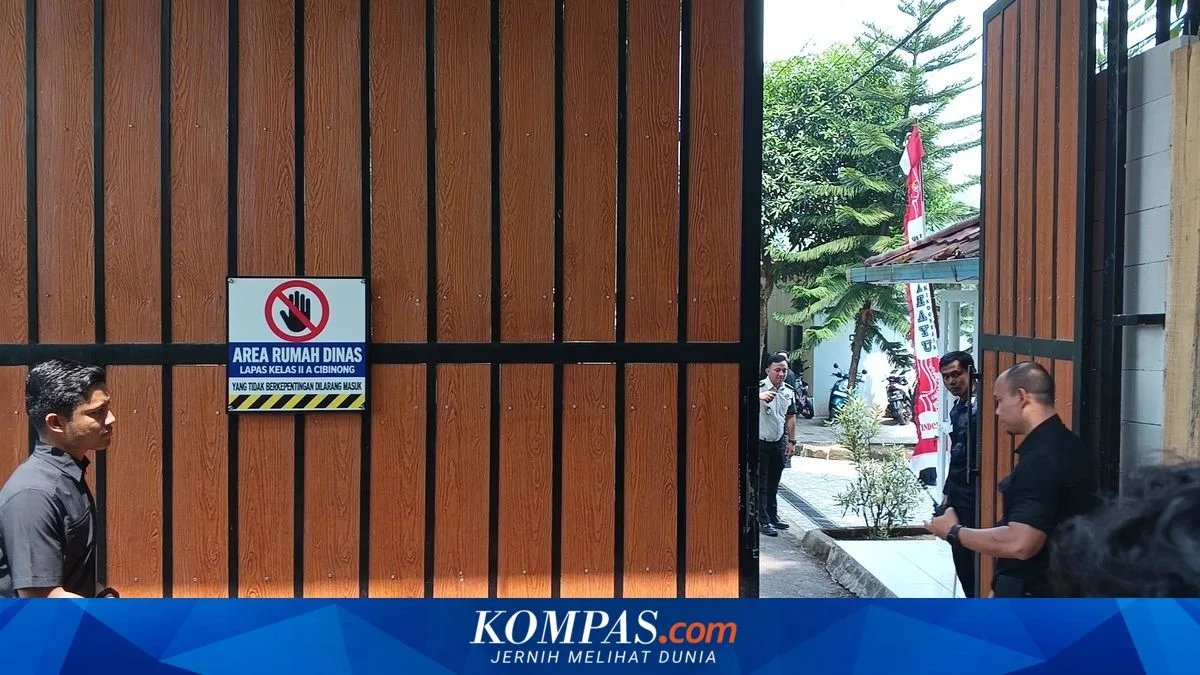
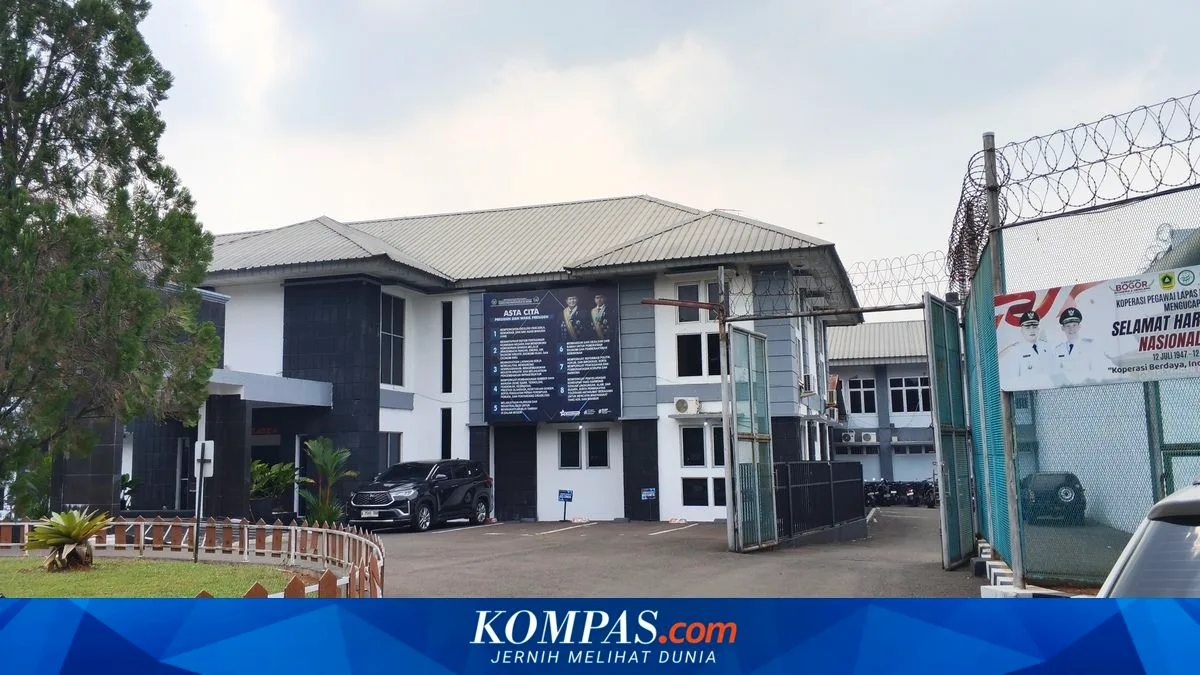
Minister of Immigration and Corrections (Imipas) Agus Andrianto, together with Head of the Agency for Development Control and Special Investigation (Bappisus) Aris Marsudiyanto, conducted a surprise inspection at Cibinong Class IIA Prison in Bogor, West Java. The move responded to findings by the Indonesian Ombudsman, which had detected luxury facilities allegedly accessible to inmates. The raid took place on Friday (26/9/2026) and was broadcast live on the Kompas TV YouTube channel.
During the inspection, the team found one house with fairly complete furnishings: a sofa, table, television, mattress, and even a water dispenser. However, the air conditioning unit in that room had been removed. Cibinong Prison Head Wisnu Hani Putranto said the AC was broken. Meanwhile, another house also flagged by the Ombudsman appeared empty of the luxury items seen in the watchdog agency's video recording.
Aris explained that the housing cluster inside the prison complex is indeed intended for staff. He added that inmates are sometimes assigned to clean those houses as part of their rehabilitation. "Or at any time inmates also have a responsibility to clean, sometimes, yes. Well, this is part of their rehabilitation," he said.
This incident is not merely a matter of facilities. Allegations of luxury facilities in prisons often serve as an entry point for illegal fees (pungli) involving rogue officers. The Indonesian Ombudsman previously asked the Ministry of Immigration and Corrections to thoroughly investigate the allegations. The House of Representatives (DPR) also pressed for transparency in budget management and internal oversight within prisons.
"We will look into whether there was a procedural violation or abuse of authority. No one should be above the law," Aris said firmly in a separate statement.
For readers in Indonesia, especially investors and professionals, this case highlights the importance of clean governance in correctional institutions. Irregularities in prisons can tarnish the investment climate because they demonstrate weak law enforcement and public accountability. In addition, illegal fee practices in prisons have the potential to create hidden economic costs that burden the public and erode trust in state institutions.
Going forward, the public will be watching whether the promised investigation truly uncovers the masterminds behind the alleged luxury facilities. Without firm action, this bad precedent could repeat itself in other prisons. The question is whether the government can overhaul the correctional system as a whole, or whether this raid will amount to nothing more than a ceremony.