KAI Revives Semarang–Tanggung–Kedungjati Line, Tracing the Roots of Indonesian Railways
Baca dalam 60 detik
- PT KAI menggelar Joy Ride Kereta Luar Biasa menyusuri rute bersejarah Semarang Tawang–Tanggung–Kedungjati dalam KAI Heritage Week 2026.
- Jalur Semarang–Tanggung sepanjang 25 kilometer yang dibuka 1867 menjadi penanda kelahiran transportasi rel di Hindia Belanda.
- Langkah ini dinilai memperkuat narasi sejarah sekaligus membuka peluang wisata edukasi dan ekonomi kawasan di Jawa Tengah.
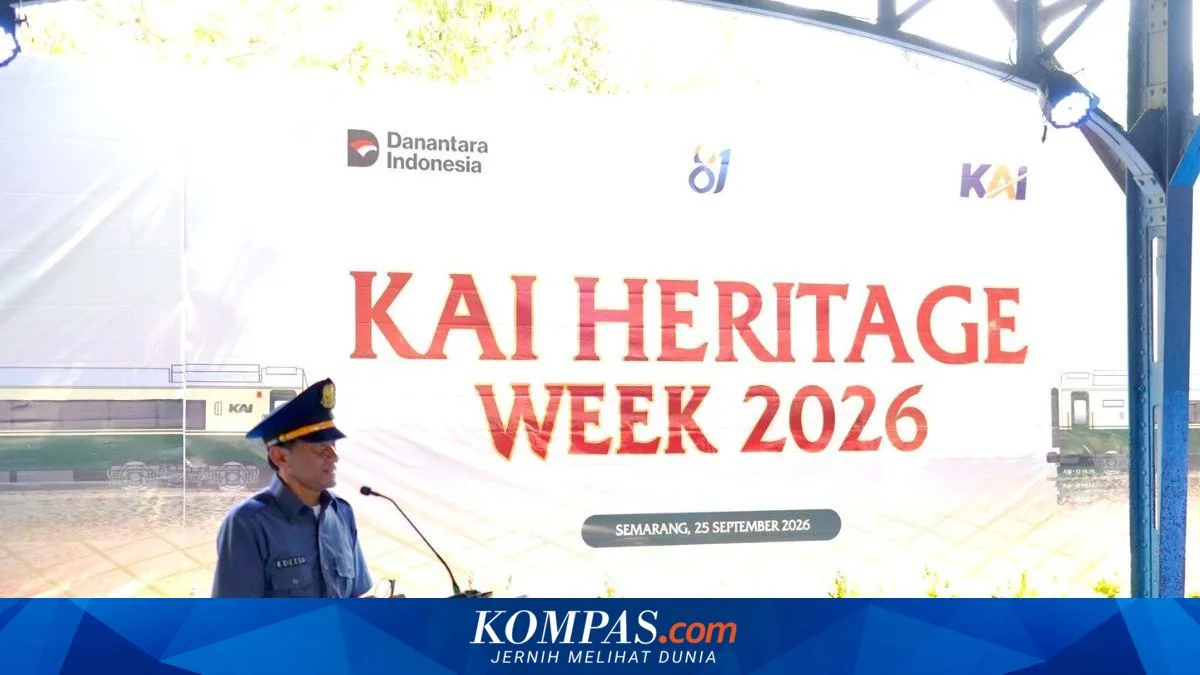
PT Kereta Api Indonesia (Persero) held a nostalgia trip titled Joy Ride Kereta Luar Biasa (KLB) along the Semarang Tawang–Tanggung–Kedungjati route on Friday (25/9/2026). The event is part of KAI Heritage Week 2026, an effort to reintroduce the long history of the national railways to the public. The chosen route is no accident: every station along the way holds traces of the early phase of rail construction in Central Java.
KAI President Director Bobby Rasyidin said the trip was designed to give a complete picture of how the railway grew from a colonial project into the backbone of public mobility. "Tanggung Station is a reminder of how Indonesia's railway journey began in 1867. Meanwhile, Kedungjati shows how the rail network continued to grow and connect various regions," he said in a press release.
The trip began at Semarang Tawang Station, one of the historic hubs in the Central Java rail network. From there, the KLB moved toward Tanggung Station, a point directly linked to the first track built in the country. The construction of the Semarang–Tanggung line itself marked a new chapter in interregional connectivity, opening access to population mobility and goods distribution that had previously depended on road and river routes.
History records that NIS began this ambitious project in the mid-19th century. After the first ground-breaking in Kemijen, the 25-kilometer line was completed and began serving transport in 1867. Its presence not only cut travel time but also changed the economic patterns of the region, especially for plantation commodities that increasingly relied on mass transport.
The KLB trip then continued to Kedungjati Station. If Tanggung represents the operational zero point, Kedungjati reflects the network expansion phase. In the early days of the railways, this station was a strategic NIS hub connecting areas toward Surakarta and Ambarawa. The opening of the Kedungjati–Ambarawa line on 21 May 1873 marked the expansion of the railway's reach into the interior of Central Java.
For KAI, reviving this historic route is not merely ceremonial. The move is seen as strengthening the company's identity as an operator with long historical roots, while also opening opportunities for developing educational tourism based on railway heritage. The joy ride concept with a special train allows passengers to experience something different from a regular trip, with an emphasis on historical value and travel narrative.
From an economic perspective, the potential of such a route is promising. The Semarang, Tanggung, and Kedungjati areas have their own appeal for special-interest tourists, especially those interested in transport history and colonial-era station architecture. If managed sustainably, this route could become a tourism product that brings additional revenue for KAI and the surrounding areas, without sacrificing regular train services.
However, challenges remain. Maintaining historic tracks and station buildings requires considerable cost, while market interest in historical tourism tends to be seasonal. On the other hand, awareness of the importance of preserving railway assets is growing, along with increasing public appreciation for cultural heritage. KAI needs to ensure that commercialization efforts do not sacrifice the conservation value inherent in these sites.
Local governments and tourism players in Central Java have welcomed the initiative. They consider that collaboration between the train operator, the government, and historical communities can create a mutually beneficial tourism ecosystem. Besides boosting visits, the move also has the potential to strengthen Indonesia's narrative as a nation with a modern transport history dating back to the 19th century.
Going forward, the public awaits whether KAI will make such Joy Rides a regular agenda or just part of a momentary celebration. If developed seriously, the Semarang–Tanggung–Kedungjati route could become a gateway for younger generations to learn about railway heritage, while also driving inclusive local economic growth. The question is, how far is the commitment to caring for these historical traces amid the pressures of modernization and operational efficiency?