Warsh Shifts Fed's Course, Rate Hike and US$6.7 Trillion Balance Sheet Become a Battleground
Baca dalam 60 detik
- Kevin Warsh mempercepat reformasi komunikasi The Fed, menanggalkan forward guidance, dan menempatkan kondisi keuangan luas sebagai acuan utama kebijakan.
- Pasar memperkirakan peluang kenaikan suku bunga lanjutan pada Oktober mencapai 70%, sementara inflasi PCE masih 3,7% dan telah melampaui target 2% selama lebih dari lima setengah tahun.
- Rencana pemangkasan neraca The Fed senilai US$6,7 triliun tertunda karena komite menunggu hasil lima gugus tugas yang baru melapor awal tahun depan.
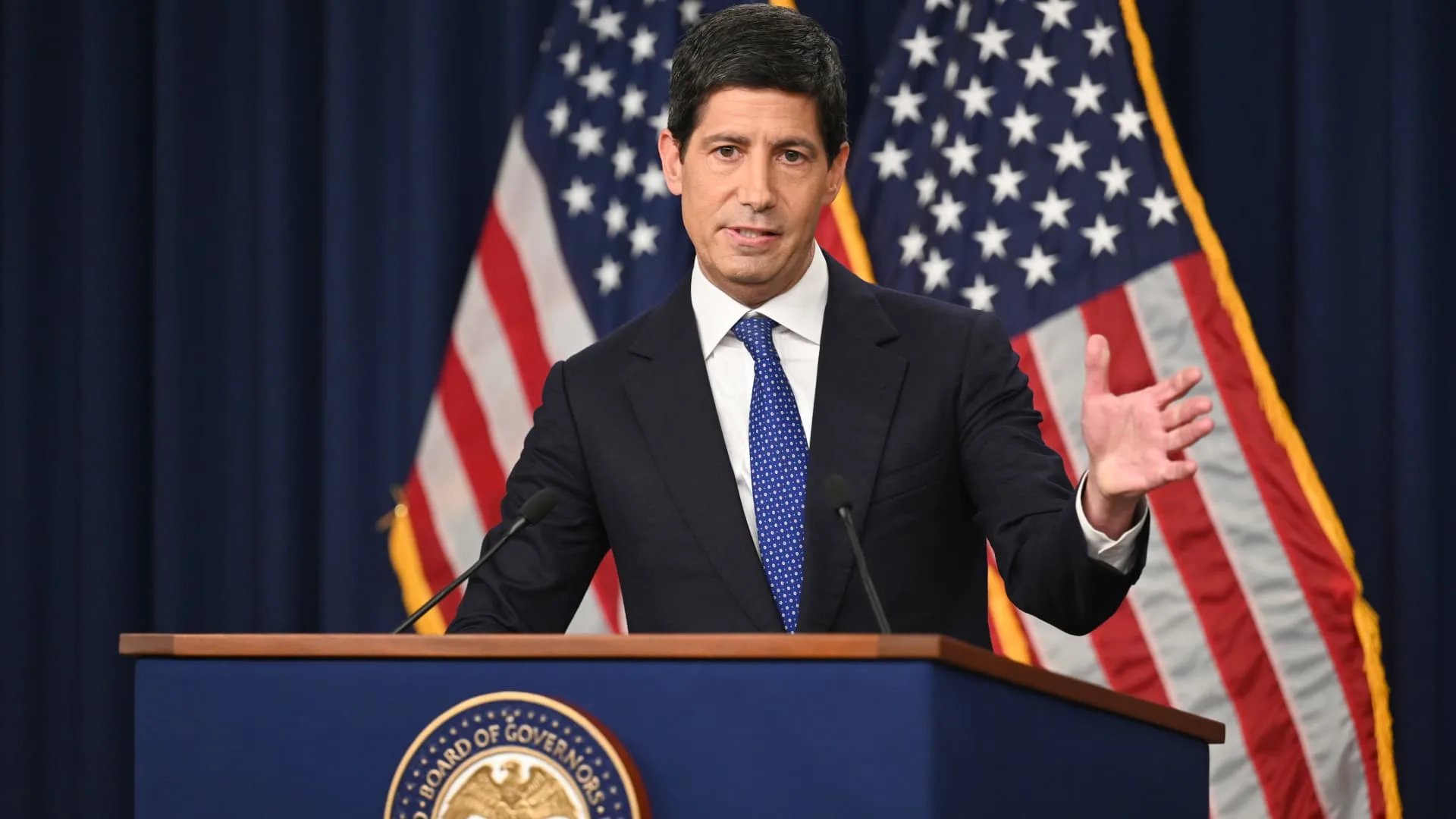
Federal Reserve Chair Kevin Warsh marked his 127th day in leadership with a policy pivot that is beginning to be felt in global markets. After raising the benchmark interest rate by 25 basis points unanimously last week—the first hike since 2023—Warsh is building a new framework that relies more on market indicators than on the central bank's official guidance.
The move answered doubts among some observers about Warsh's independence from White House political pressure. At the same time, however, he faces a wall called the committee and an economic condition that does not allow major reform to proceed as fast as he would like.
The most striking change is visible in how the Fed communicates. Post-meeting press conferences have been shortened, the seating arrangement for journalists has been reordered alphabetically by media name, and, more substantively: Warsh has abandoned the practice of forward guidance that had long been a hallmark of modern central banks. He also refuses to provide interest rate projections in the Summary of Economic Projections or dot plot.
In his Jackson Hole speech and the September 16 press conference, Warsh repeatedly cited "financial conditions" as his main reference. He detailed a number of variables: the level and change of asset prices across sectors, the price and trading volume of US Treasuries, the dollar exchange rate, the cost and availability of credit, and commodity prices. According to him, those indicators should shape the Fed's near-term outlook for economic activity and inflation.
"What's odd is that Warsh frames the decision as 'removing a dose of accommodation,' then moves away from the concept that defines accommodation itself," economist Claudia Sahm wrote, commenting on the new approach. "Now that the Fed has hiked, how does he judge when to hike again, and when to stop?"
The market appears to agree with the policy direction. The two-year Treasury yield is trading nearly one percentage point above the effective federal funds rate—the widest spread since 2023. The probability of another hike in October is estimated at 70%, with two more hikes priced in through March next year. Inflation based on the PCE index, the Fed's preferred measure, was 3.7% in July and has exceeded the 2% target for more than five and a half years.
Warsh's focus on market indicators, sometimes intricate, recalls the style of Alan Greenspan, known for delving into everything from companies' capital spending plans to scrap iron prices. But the approach has also drawn criticism as circular: market expectations of the Fed become part of financial conditions themselves, so the feedback may amount to the market simply telling the central bank what it expects.
What is moving more slowly is the structural reform agenda, especially shrinking the balance sheet. Since 2011, Warsh has voiced the need to reverse balance sheet growth—he even left his post on the board of governors at the time because he was uncomfortable with balance sheet expansion. Now, despite holding the agenda's reins, he has yet to execute that plan. The minutes of the July meeting show other FOMC members reluctant to move quickly, choosing instead to wait for reports from five task forces due early next year.
Economic conditions complicate the situation. With inflation above target and oil prices surging, the committee needs to address prices promptly, not experiment with the effects of balance sheet shrinkage. Meanwhile, a 10-year Treasury yield above 5% makes this the wrong moment to ask the market to absorb additional supply of government debt and housing credit.
For Indonesia, the Fed's policy direction is an important signal. A US rate hike could strengthen the dollar and pressure the rupiah exchange rate, which in turn narrows Bank Indonesia's room to ease monetary policy. A 10-year Treasury yield above 5% could also trigger capital outflows from emerging markets, including Indonesian bonds and stocks. On the other hand, surging commodity prices—especially energy—could be a boon for coal and CPO exporters, even as it raises fuel import costs and widens the oil and gas trade deficit.
The question now: if Warsh truly measures policy by financial conditions, how loudly must the market "shout" before he stops hiking? And if inflation stays high while the balance sheet stays fat, will the reform he promised be eroded by more pressing economic realities?