Dressmaker, a Rp225,000 Sewing Simulation, Beats Silent Hill on Steam
Baca dalam 60 detik
- Dressmaker, game cozy crafting bertema menjahit, menembus 10 besar Steam Top Sellers dengan harga $14,99.
- Pendekatan mendetail pada proses menjahit dan narasi permintaan warga kota menjadi pembeda di pasar game santai.
- Keberhasilan ini membuka peluang bagi pengembang Indonesia untuk menyasar ceruk pasar global yang belum tergarap.
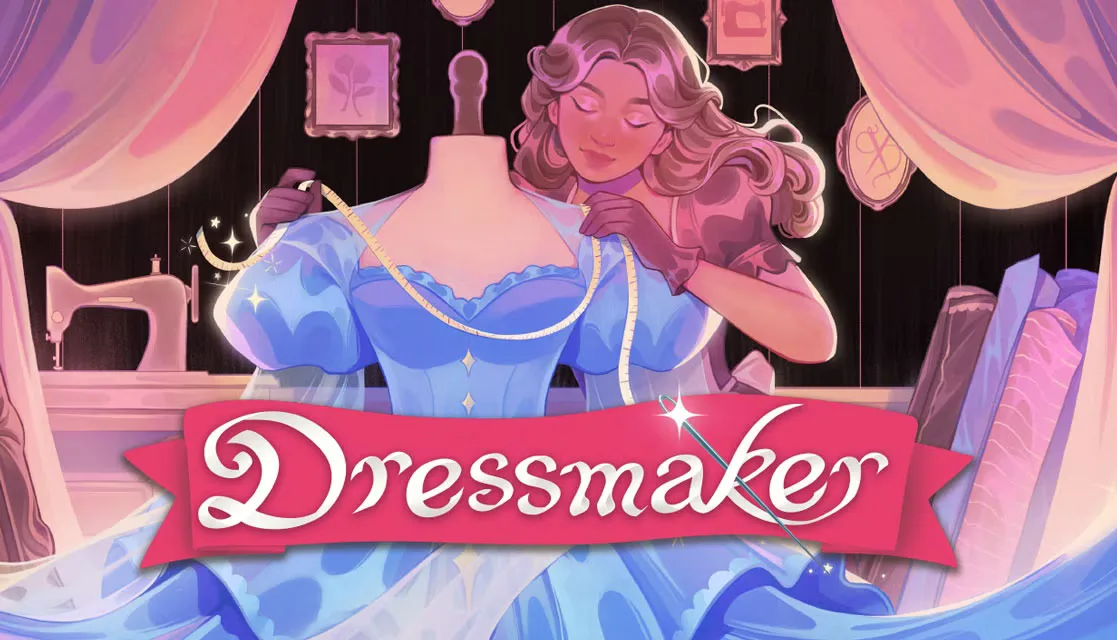
The sewing simulation game Dressmaker has broken into Steam's top 10 Top Sellers, beating major releases such as Silent Hill: Townfall and The Blood of the Dawnwalker. The game has only been out for a few days and sells for $14.99 (around Rp225,000).
Dressmaker grew from a small three-week project into a full release that has captured the attention of the cozy game community. Before launch, it appeared at Wholesome Games Direct 2026 and racked up millions of views on YouTube. Coverage from The Guardian and IGN also helped build expectations.
Dressmaker fills a long-ignored gap in demand. Until now, popular fashion-themed games such as Dress to Impress on Roblox and Infinity Nikki offered free experiences, but with monetization limits. Existing cozy games are mostly themed around farming or home decoration. Dressmaker offers something different: players actually sew dresses, from choosing fabric and designing patterns to stitching the pieces together.
Dressmaker's main appeal lies in the detail of its mechanics and narrative. Townspeople make clothing requests with specific styles, colors, and materials. Steam reviews note that the NPCs are not too fussy, but the scenarios are engaging: what kind of dress suits someone just starting a job? How do you dress someone on a limited budget? These questions push players to think creatively.
"I'm a straight white guy and this is the best game of the year so far," reads the most popular review on Steam.
Another review came from a father: "My daughter (9) loves this game, she does her homework and chores without arguing so she can play on my Mac in the evening." This phenomenon shows Dressmaker appeals not only to children but also to adults who had never touched a dress-up game before.
For the Indonesian market, Dressmaker's success signals that games with specific themes and deep execution can break into the global market. Local developers who can elevate cultural heritage, such as Nusantara textiles or batik techniques, have the potential to replicate this formula. With relatively low production costs and digital distribution, the cozy game niche remains wide open.
Going forward, it will be interesting to see whether Dressmaker can hold its position amid the onslaught of other major releases. If this trend continues, it is not impossible that a wave of craft simulation games will emerge from various countries, including Indonesia. Will major publishers take an interest in this genre as a new opportunity?