Constitutional Court Justice Questions KPU Double Standard in Election Diploma Verification
Baca dalam 60 detik
- Hakim Konstitusi Saldi Isra mempertanyakan mengapa KPU tidak melakukan verifikasi langsung ke dinas pendidikan untuk ijazah Gibran, berbeda dengan sikapnya di Pilkada.
- KPU beralasan hanya menerima surat keterangan penyetaraan dari Kemendikbudristek dan tidak mengecek ulang karena tak ada laporan kecurangan.
- Perbedaan standar ini berpotensi melemahkan kepercayaan publik terhadap netralitas penyelenggara pemilu dan bisa menjadi preseden buruk bagi integritas kontestasi elektoral.
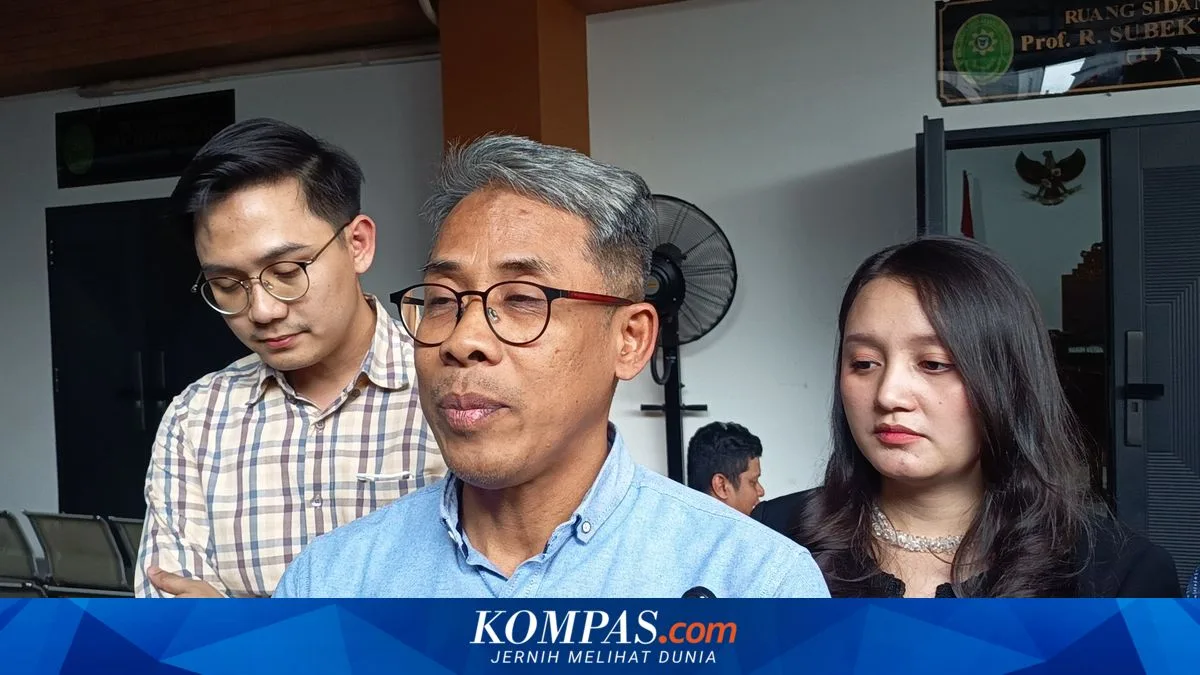
The Constitutional Court (MK) has highlighted the General Elections Commission's (KPU) inconsistency in verifying the validity of candidates' diplomas. In a follow-up hearing on the dispute over the candidacy requirements of Vice President Gibran Rakabuming Raka, Wednesday (23/9/2025), Constitutional Court Justice Saldi Isra questioned why the KPU did not check directly with the education office regarding Gibran's diploma, while for regional head candidates the KPU was very active in checking all the way to the schools of origin.
KPU Chairman Afifuddin, who attended as an interested party, explained that his side only received a diploma equivalency certificate from the Ministry of Education, Culture, Research, and Technology (Kemendikbudristek). According to Afifuddin, no other instrument was used to validate the document. He also stated that no re-examination was conducted because at the time there were no reports of fraud related to Gibran's diploma equivalency requirement.
"Because it (the certificate) was considered to come from an agency with the authority, we considered it correct," Afifuddin said, as quoted from the MK hearing transcript.
Saldi then compared the KPU's stance in the Pilkada. He recalled that in a number of regional head candidacy cases, regional KPU offices were instead asked to proactively check directly with schools, including for Paket C diplomas. "Here, in regional head elections, Mr. Afif was very insistent in telling the (regional) KPU, please check where the school is, if anyone uses Paket C, check where it was issued and so on," Saldi said.
This debate reveals a gap in the procedure for verifying candidacy documents. If the KPU adheres to the principle of trust in certificates from authorized agencies, why is a similar approach not applied consistently across all types of elections? Conversely, if the KPU feels the need to conduct field verification for the Pilkada, why is that standard not applied to the Pilpres, which is far larger in scale?
Constitutional law experts assess that this inconsistency could erode public trust in the neutrality of election organizers. "Differential treatment like this raises serious questions about whether other factors influenced the decision-making," said an election observer who declined to be named. He added that the MK needs to examine whether the difference is purely due to regulatory differences or whether there was political pressure.
For the Indonesian public, especially investors and market participants, uncertainty regarding the integrity of the election process can affect political stability and the investment climate. Clean and consistent elections are a prerequisite for legal certainty and the sustainability of economic policy. If election organizers are seen as not neutral, the risk of political turmoil increases, which in turn can affect the exchange rate, the bond market, and long-term investment decisions.
The MK itself has not yet decided whether it will summon relevant parties to explain this difference in standards. However, public pressure is mounting for the KPU to explain the ins and outs of Gibran's diploma verification transparently. The next hearing is scheduled for next week with an agenda of hearing testimony from witnesses and experts.
Going forward, this case could be a test for the KPU to reform its document verification procedures so that they are equal for all types of elections. If not, this bad precedent could potentially recur in the simultaneous 2029 Pilkada and the 2029 Pilpres. Can the KPU prove that there is no double standard in carrying out its duties?