AI Ethics Expert: AI Doom Panic Is Just a Distraction from Real Problems
Baca dalam 60 detik
- Seorang peneliti Anthropic memicu kepanikan global dengan klaim tanpa dasar bahwa AI akan memusnahkan manusia dalam satu dekade, memicu perdebatan sengit di kalangan pakar.
- Praktisi etika AI selama sepuluh tahun menilai narasi kiamat justru mengalihkan perhatian dari dampak nyata seperti otomatisasi pekerjaan, bias algoritma, dan konsentrasi kekuasaan korporasi.
- Masyarakat sipil mulai melawan: pemilih di Texas menolak pembangunan pusat data, New York moratorium AI di sekolah, dan survei menunjukkan mayoritas konsumen tidak mempercayai output AI.
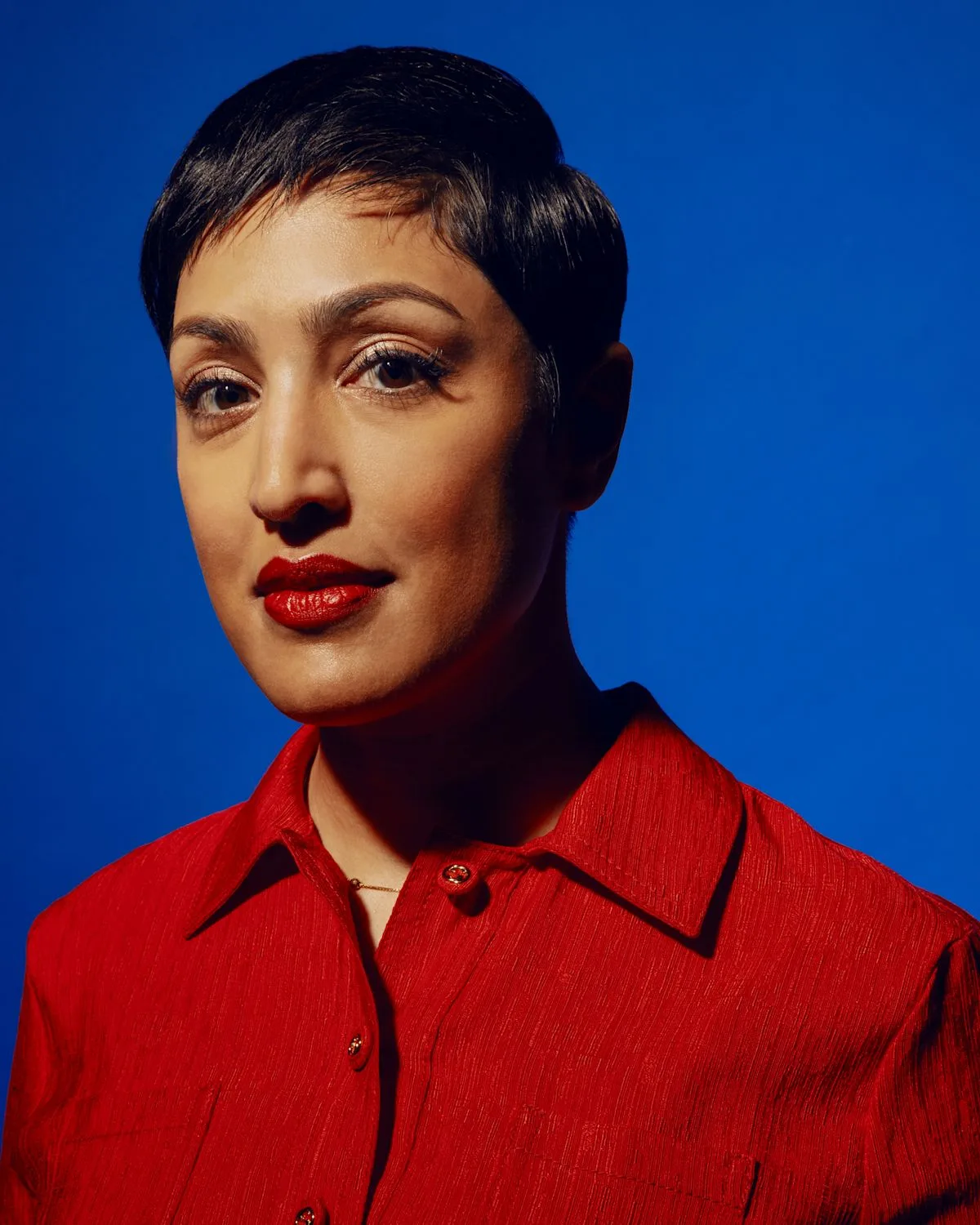
The claim that artificial intelligence will wipe out humanity within ten years has resurfaced after a researcher from a leading AI lab spread it through social media. The statement quickly echoed across global newsrooms and sparked public concern, even though it is not backed by established scientific evidence. An AI ethics practitioner who has been in the field for a decade views this panic as a dangerous distortion that diverts attention from urgent problems.
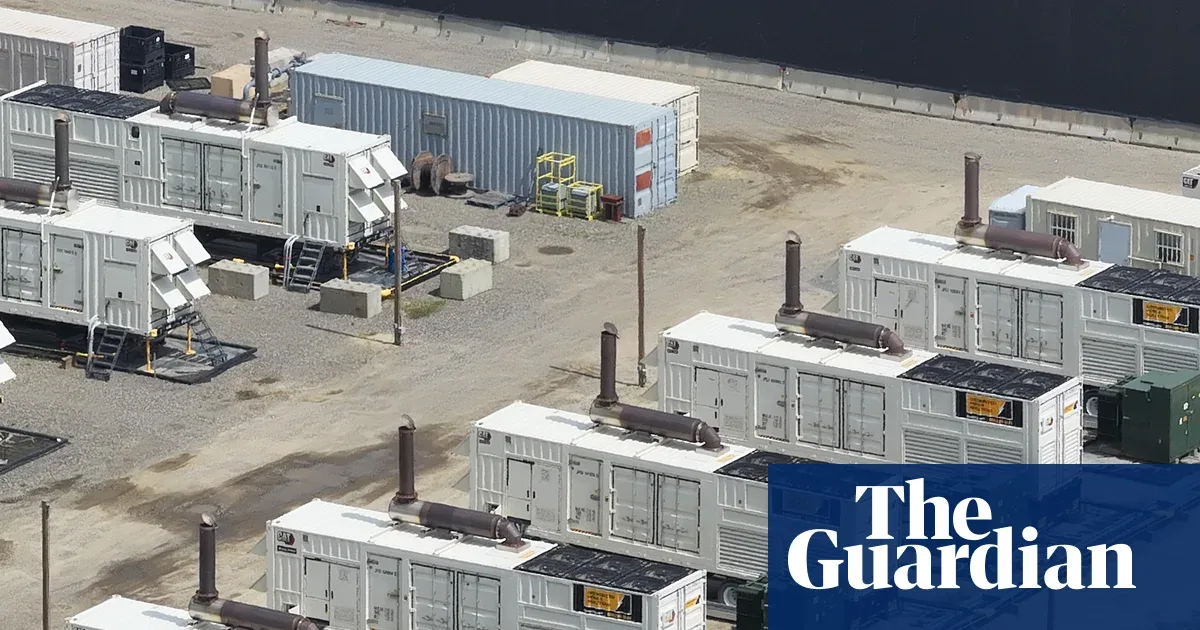
The AI doomsday narrative is nothing new. Lately, however, its pattern of spread has shifted: from tech-circle chatter to policy stages and mainstream media. According to observers, this phenomenon shows how a handful of voices from inside the industry can shape the global agenda, while issues such as the fate of workers displaced by automation, data security, and the environmental impact of data centers are pushed to the margins.
In an essay published in Rolling Stone, the practitioner expressed fatigue at the recurring question from journalists: will AI kill us all? He answered with simple logic: AI has no intentions or desires, and disaster scenarios such as the release of biological weapons require physical access to highly classified facilities that no AI model possesses. To date, no research proves AI capabilities at the extinction level that is so often hyped.
What is more worrying, he says, are gradual threats: AI could erode humans' ability to connect with one another, make us dependent on algorithms to determine our feelings and thoughts, and create a punitive surveillance state. Yet he admits he is no longer afraid of that scenario. Because there are signs of resistance from ordinary people.
Resistance is not only appearing in social media comment sections. In Texas, some voters threaten not to re-elect politicians who support large-scale data center construction. In New York City, education authorities temporarily halted AI use in schools after parent and advocacy groups judged existing guidelines inadequate. Studies also reveal consumers are starting to reject products with AI embedded in them.
The practitioner highlights how the definition of "safe AI" has shifted from real-world issues such as job automation, misinformation, and algorithmic bias, to billionaire-funded science fiction stories about extinction. He sees a condescending tone from both camps: those who want to build AI without limits and those who define AI safety as protection from "rogue AI". Both equally ignore the problems of the ordinary family dinner table.
"For people who care so much about the fate of humanity, doomers don't seem to like humans very much," he wrote, needling a community that is eager to talk about doomsday yet reluctant to touch everyday social impacts.
The Indonesian context is relevant because the wave of AI adoption in the country is accelerating, from the financial sector to education. AI regulation is still being drafted, while concerns about job losses and privacy violations have yet to become a main focus. If the doomsday narrative dominates the discourse, the policies that emerge could be misdirected: too focused on speculative risks, while consumer and labor protections are neglected.
Lessons from the United States show that public pressure can change the direction of policy. In Indonesia, similar voices are starting to emerge from labor unions and civil society organizations demanding algorithmic transparency and social guarantees for displaced workers. The question is, will policymakers listen to these real concerns, or will they instead be sucked into a doomsday drama that benefits a handful of big players?