Iran Offers to Open Strait of Hormuz Within Seven Days, Trump Faces Tough Choice Ahead of US Midterms
Baca dalam 60 detik
- Iran mengajukan kerangka waktu tujuh hari untuk membuka kembali Selat Hormuz dan memulai perundingan nuklir, dengan syarat AS mencabut pembekuan aset dan menghentikan serangan Israel di Lebanon.
- Presiden AS Donald Trump menilai kesepakatan ini dapat meredakan krisis politik sebelum pemilu midterm, tetapi harus menekan Perdana Menteri Israel Benjamin Netanyahu untuk menghentikan operasi terhadap Hizbullah.
- Jika terwujud, pembukaan Hormuz akan melonggarkan tekanan pasar energi global, namun Arab Saudi keberatan karena rute baru ditetapkan secara bilateral oleh Iran dan Oman.
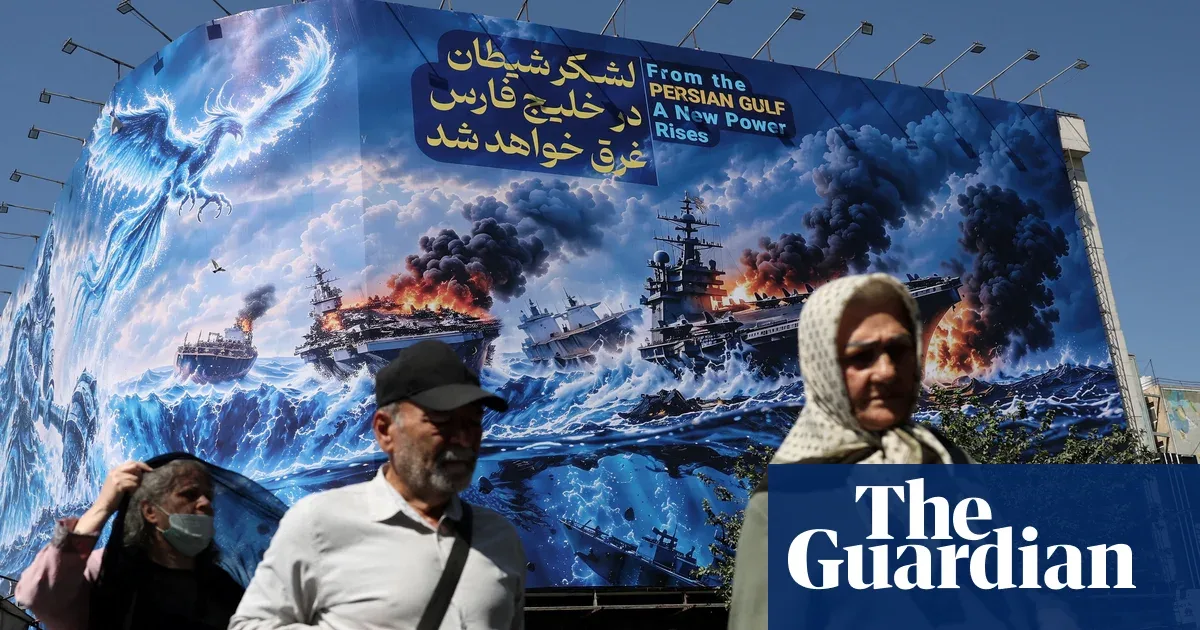
Iran has proposed a seven-day deadline to the United States to reopen the Strait of Hormuz and begin negotiations on its nuclear program. The offer is seen as a way to pull US President Donald Trump out of a political crisis ahead of the midterm elections, but it demands significant concessions from Washington.
In the first five days before the proposed reopening of the strait, the US must lift the freeze on Iranian assets, allow Iranian oil exports, and, most delicately, order Israeli Prime Minister Benjamin Netanyahu to halt attacks on Hezbollah in Lebanon to bring about a ceasefire on all fronts. On the sixth day, Iran will open the Strait of Hormuz through a new route designated jointly with Oman. The following day, negotiations on the future of Iran's civilian nuclear program begin, including a protocol allowing UN inspectors to return to damaged sites and high-enriched uranium stockpiles.
Iranian Foreign Minister Abbas Araghchi explained that the idea is a repackaging and acceleration of the US-Iran memorandum of understanding signed by Trump last June. "The terms we are asking for are not new, no more than what is already in the Islamabad agreement," he said. What is new is the speed: from 60 days in the June agreement to seven days. Iran feels it has done its diplomatic work by bringing the proposal to China for support and ensuring Oman, located on the southern side of the strait, is involved.
Iranian diplomats in New York assessed the three-hour meeting with US envoy Steve Witkoff earlier this week as productive, but they doubt the US will meet the terms. Araghchi said he is skeptical Witkoff can realize a deal, recalling two previous rounds of talks that Witkoff called "productive and good," but the US bombed Iran the next day. The Iranian diplomats stressed that Trump's willingness to restrain Netanyahu in Lebanon is key. If that happens, the deal is considered viable.
For Trump, reopening Hormuz before the midterm elections would be a political gain. Iranian President Masoud Pezeshkian said the US political calendar has never been a consideration for Iran, refuting Trump's claim that Iran is waiting until after the election to offer a deal. Pezeshkian acknowledged that the Iranian people want the war to end and did not deny economic pressure, but stressed that the public has endured sanctions for 45 years. He also said Iran's decision-making machinery is functioning normally and Supreme Leader Mojtaba Khamenei is in good health, based on his seven hours of observation with Khamenei. However, he did not explain why, apart from security reasons, Khamenei has not released audio, photos, or video as proof of his existence.
The deal is difficult for Trump to accept because Hormuz would be opened largely on Iran's terms, with a new route running mostly through Iranian waters. Saudi Arabia is also concerned because the route agreement is bilateral between Iran and Oman, not with the Gulf states as co-signatories. Trump himself said he has a choice between destroying Iran or engaging in engagement that, with his characteristic hyperbole, could make Iran one of the world's great powers. But the real assessment is more down to earth: is he ready to go back to war with Iran after the election, and if not, does he believe the US can pressure Iran's economy hard enough for its leadership to surrender.
For Indonesia, this development has a direct impact on energy price stability and logistics costs. As an oil importer, Indonesia will feel the effect of the Hormuz reopening on global crude oil prices and domestic inflation. On the other hand, China's involvement in the proposal underscores a shift in influence in the Middle East that could affect Indonesia's diplomatic position in the region. The government needs to watch whether this deal will lead to a normalization that stabilizes the market, or instead prolong uncertainty if the US refuses.
The question ahead: will Trump choose the diplomatic path that demands heavy concessions, or maintain maximum pressure with the risk of post-midterm escalation? A decision within days will determine the direction of energy markets and Asian geopolitics.