Mary Poppins Returns, This Time in a Darker TV Series
Baca dalam 60 detik
- Tom Winchester, produser Shōgun, mengembangkan serial TV Mary Poppins berdasarkan delapan novel asli P.L. Travers.
- Serial ini akan menonjolkan sisi misterius dan berbahaya Mary Poppins yang tidak tergarap di film Disney.
- Winchester telah mengantongi hak adaptasi dan sedang menjajaki kemitraan dengan Disney.
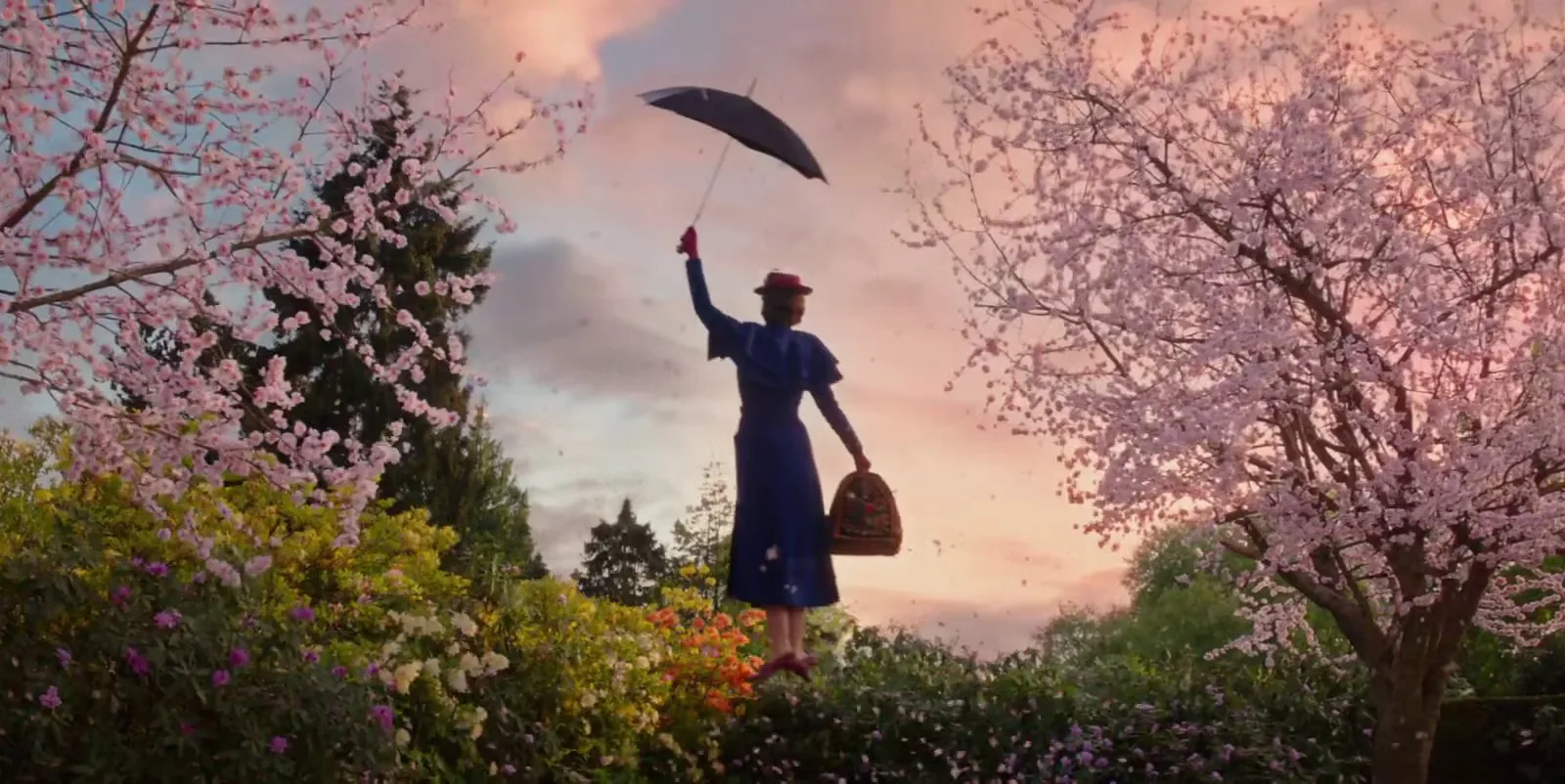
Mary Poppins is set to return, but not as the public has known her. Producer Tom Winchester, known for the epic series Shōgun, is developing a television version of the eight novels by P.L. Travers. The project is reported to explore the more complicated elements of the legendary nanny, far from the cheerful impression attached to the 1964 Disney film.
Winchester has acquired the adaptation rights directly from the Travers estate. This move allows him to build the story without having to depend on Disney's approval. Nevertheless, he remains in communication with the studio, hoping Disney's long legacy with the character can strengthen the project. The series is still in its early stages, with Winchester beginning to approach a number of showrunners to fill the creative seat.
The production will be overseen by Pure Fiction Television, Winchester's company backed by See-Saw Films—the production house behind Power of the Dog and Slow Horses—as well as the British talent agency Hamilton Hodell. This support signals that the project is not merely nostalgia, but a serious effort to present a more layered narrative.
In the original novels, Mary Poppins is portrayed as a far more mysterious, even dangerous, figure. She is not merely a loving nanny, but a figure with unexpected powers and blurred morality. This approach differs sharply from the 1964 film starring Julie Andrews and Dick Van Dyke, which emphasized musicality and warmth. P.L. Travers herself is reported to have been disappointed with that adaptation, as immortalized in the film Saving Mr. Banks.
Disney later revived the character through Mary Poppins Returns (2018), played by Emily Blunt and Lin-Manuel Miranda. Unfortunately, the film did not achieve the expected success, either critically or commercially. This failure opened space for a new approach more faithful to the literary source.
"We want to show a more complex Mary Poppins, in line with Travers' vision," said a source close to the project, as quoted by Deadline.
For Indonesia's entertainment industry, this development mirrors how classic literary heritage can be repackaged for the global market. Television series based on legendary novels have great potential to attract audiences across generations, especially with the dark adaptation trend currently on the rise. If successful, this format could inspire local producers to dig into Nusantara folklore or classic literature with a similar approach—for instance, highlighting the dark side of legends such as Timun Mas or Jaka Tarub.
However, challenges remain. Loyal fans of the Disney version of Mary Poppins may be surprised by the change in tone. On the other hand, viewers seeking psychological depth may welcome it. Winchester and his team need to balance global market expectations with fidelity to the source material. Will this series be a breakthrough or instead divide the fan base? Time will tell, but one thing is certain: Mary Poppins is no longer just a nanny with a flying umbrella.