Police Deny Interference in Gowa Regent Case: Fadil Imran's Younger Sister Named Corruption Suspect
Baca dalam 60 detik
- Bupati Gowa Sitti Husniah Talenrang ditetapkan sebagai tersangka dalam kasus dugaan korupsi perizinan, sementara Polri menegaskan tidak ada intervensi meski ia adik Komjen (Purn) Fadil Imran.
- Penyidik menemukan pola pemerasan terhadap pengembang perumahan dan minimarket, dengan permintaan uang hingga Rp1,5 juta per rumah dan Rp85 juta per gerai baru.
- Kasus ini menguji independensi penegakan hukum di daerah dan berpotensi memengaruhi iklim investasi properti serta ritel di Sulawesi Selatan.
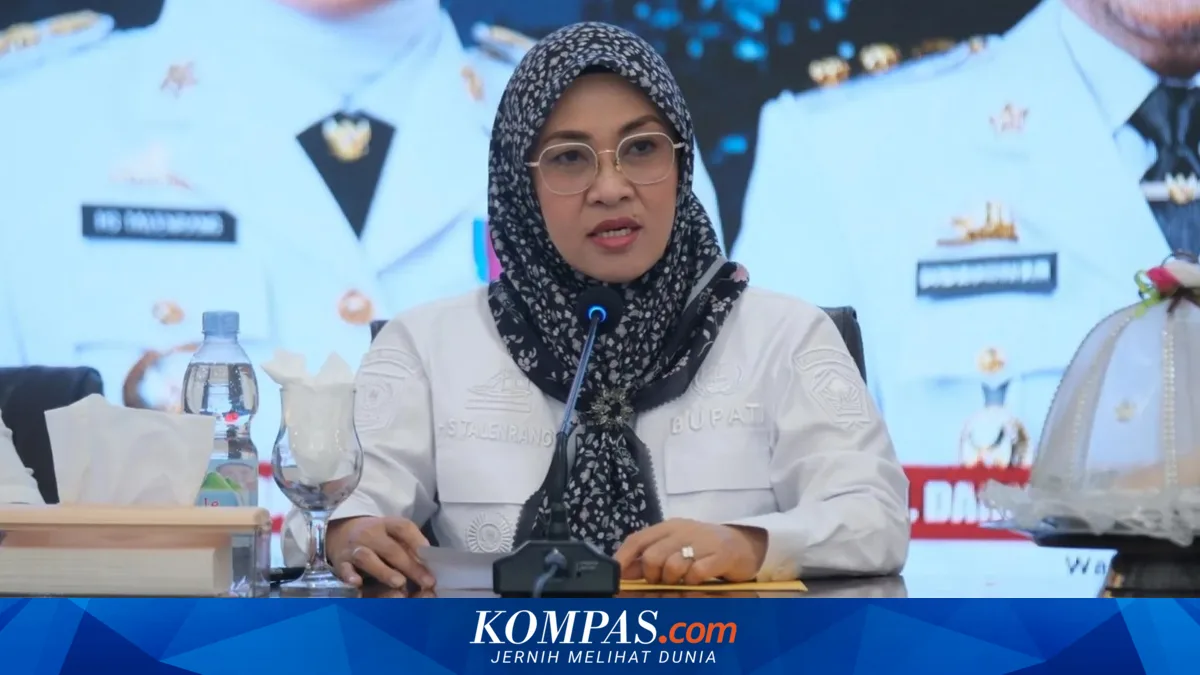
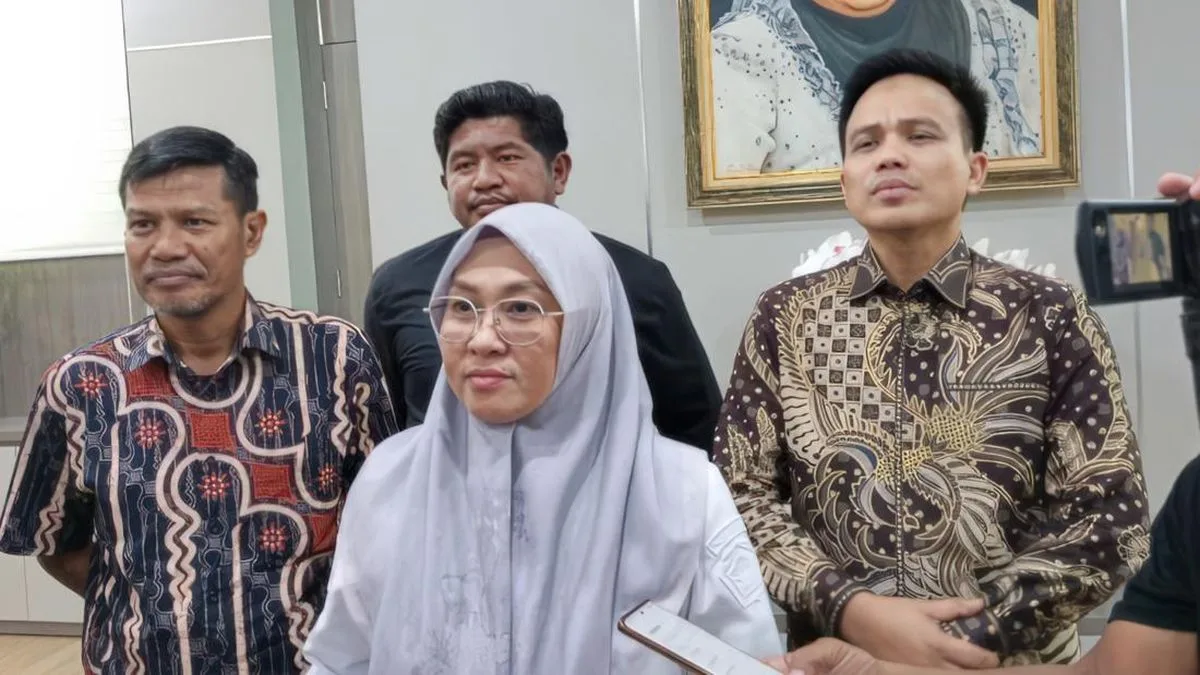
The National Police (Polri) stressed there was no interference in handling the alleged corruption case implicating Gowa Regent Sitti Husniah Talenrang, even though she is the younger sister of retired Commissioner General Fadil Imran, former Metro Jaya Police Chief. The assertion was made by Brigadier General Robertus Yohanes De Deo, Director of Enforcement at the Polri Corruption Eradication Corps (Kortas Tipidkor), at a press conference at Polri Headquarters in Jakarta on Friday (25/9/2026).
"No, there is no connection," De Deo said in response to a journalist's question about possible interference. He added, "It means there is none, there is no interference, none." After giving that brief statement, De Deo immediately left the press conference room without further explanation.
The naming of Husniah as a suspect emerged after investigators uncovered four instances of extortion involving several businesspeople in Gowa Regency. The case has drawn attention because of Husniah's position as a regional head and as a relative of a senior Polri official who had just entered retirement on 31 August 2026.
In the first case, investigators found that Husniah requested that the list of applicants and the results of deliberations on the Spatial Use Activity Conformity Approval (PKKPR) be reported to her. She then ordered the Head of the Housing, Settlement Areas and Land Affairs Office (Perkimtan) to ask developers for money calculated based on the number of houses to be built, around Rp1 million to Rp1.5 million per unit. Two companies, PT Royal Persada and PT Renjana, handed over Rp100 million and Rp50 million respectively through an intermediary described as Husniah's personal driver.
The second instance concerned the opening of Indomaret outlets in Gowa. After meeting with the minimarket side, Husniah allegedly directed them to coordinate with her trusted associate, identified by the initials HA. Through HA, she requested funds packaged as corporate social responsibility (CSR) amounting to Rp85 million for each new outlet. This modus operandi shows a systematic pattern of using permitting authority for personal gain.
"There is no interference, none," stressed Brig. Gen. Robertus Yohanes De Deo, Director of Enforcement at Polri's Kortas Tipidkor, when asked about the case's connection to Fadil Imran.
The case highlights problems of permitting governance in the regions, especially in the property and retail sectors that form the backbone of local investment. Illegal levies in the PKKPR process and building permits (IMB) not only harm businesspeople but also risk raising construction costs that are ultimately borne by consumers. For investors currently considering expansion into South Sulawesi, firm law enforcement is a positive signal as well as a warning about the risk of unofficial costs.
On the other hand, handling a case involving a relative of a senior police official will be a test for Polri's credibility in fighting corruption. The public will watch whether the legal process proceeds without favoritism, especially since Fadil Imran is known as a senior officer with a long career track, including having served as Metro Jaya Police Chief and Kabaharkam Polri. Transparency in the investigation and consistency in court rulings will later determine public trust in law enforcement institutions.
Going forward, the question is not only whether Husniah is proven guilty, but also how far similar practices occur in other regions. If this pattern of permit extortion is left unchecked, the national business climate could be hampered. Therefore, beyond resolving the Gowa case, the government and law enforcement need to strengthen an integrated permitting system free from face-to-face interaction and reduce the room for officials to abuse their authority.