Goldman Sachs Reaps Rp3.1 Trillion from AI Hedge Fund, Then the Money Evaporates
Baca dalam 60 detik
- Goldman Sachs mengantongi sekitar $200 juta dari Situational Awareness, dana lindung nilai yang dibangun Leopold Aschenbrenner dengan taruhan berutang pada saham AI.
- Penurunan tajam saham AI pada pertengahan Juli memaksa likuidasi besar-besaran, termasuk penjualan portofolio ke Citadel, dan aset dana itu menyusut drastis dari puncak $30 miliar.
- Peristiwa ini menjadi peringatan bagi investor global, termasuk di Indonesia, bahwa euforia AI sarat leverage bisa berbalik arah secepat kenaikannya.
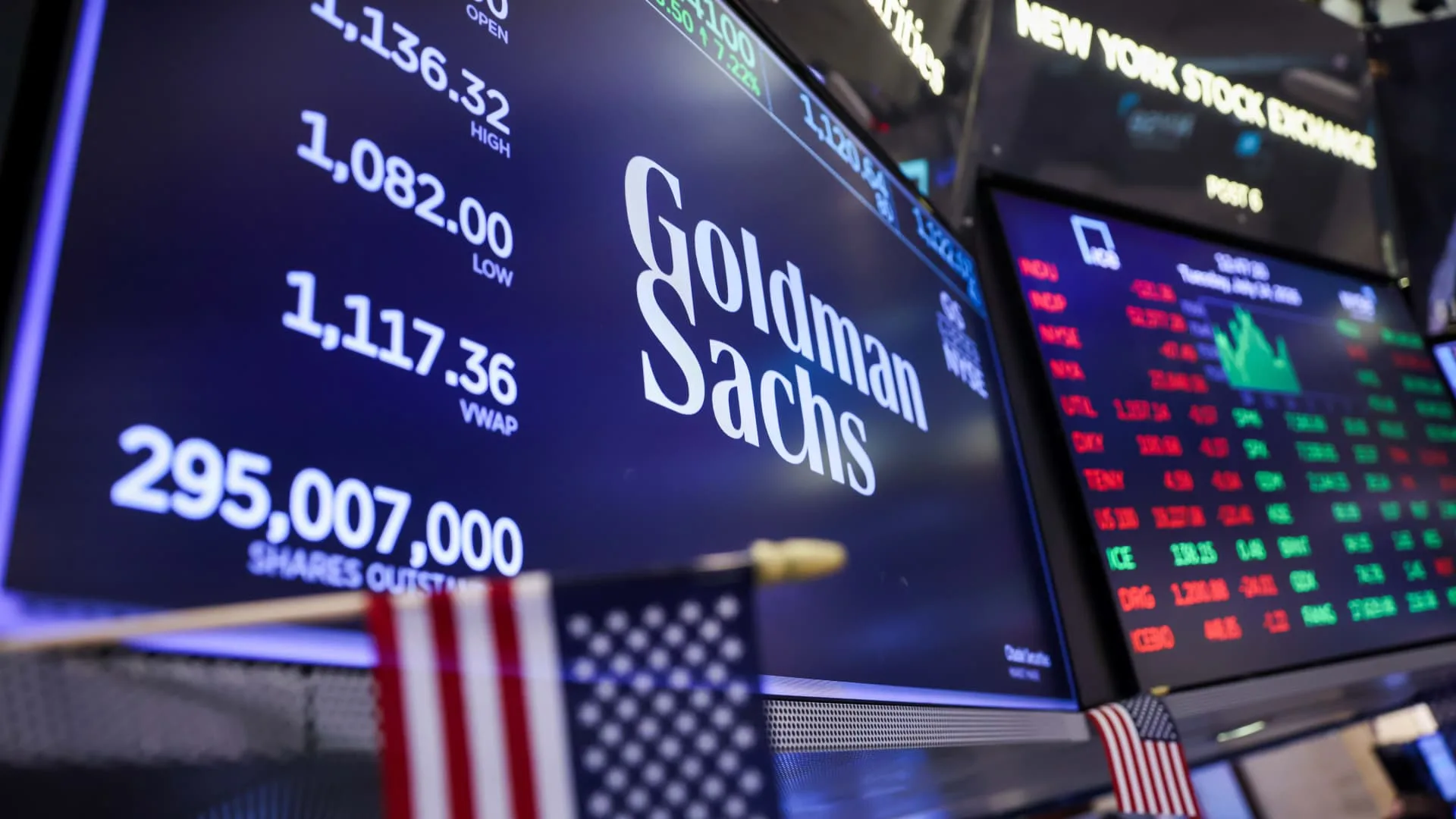
Goldman Sachs reportedly pocketed around $200 million (equivalent to Rp3.1 trillion at an exchange rate of Rp15,500) from Situational Awareness, the hedge fund founded by Leopold Aschenbrenner, over the course of this year. The figure emerged from a Financial Times report and stands as one of the most striking fee revenues from an artificial intelligence-driven investment engine that is now beginning to crack.
The fund had surged thanks to a strategy of leveraged bets on AI technology stocks, with assets peaking at around $30 billion. But a wave of selling in the AI sector in mid-July triggered a massive unwinding of positions, including the sale of a significant portfolio to Citadel. Situational Awareness then shrank and reduced its leverage.
For global markets, this story is not merely a footnote about a single hedge fund. It shows how a major investment bank can reap enormous fee revenue from a strategy that, when it reverses, creates systemic pressure. Citadel, as the buyer of the portfolio, is in a relatively safe position because it has ample capital and risk infrastructure. By contrast, investors chasing returns from highly leveraged funds bear the heaviest consequences.
According to the Financial Times report, the fund built by Aschenbrenner grew quickly through leveraged bets on AI stocks, then was forced to unwind positions after the mid-July sell-off.
The episode also underscores a shift in the AI investment landscape. Over the past two years, the AI narrative pushed technology issuers' valuations to levels that fundamentals struggle to explain. When the correction came, funds that used leverage to magnify exposure were the first to be hit. Goldman Sachs, as a financial services provider, still benefited on the fee side, but the risk shifted to capital owners and creditors.
The impact on Indonesia is indirect but still relevant. Many domestic institutional investors and pension funds place money in global mutual fund products or corporate bonds exposed to the American technology sector. When funds like Situational Awareness reduce leverage, demand for risk assets can decline, which in turn affects capital flows to emerging markets, including the IHSG and rupiah bonds. A weakening of regional currencies could also amplify external pressure.
Beyond that, the phenomenon serves as a mirror for Indonesia's financial industry. the Financial Services Authority (OJK) and Bank Indonesia have repeatedly warned about the importance of risk management in leveraged investment products. The Situational Awareness case shows that even funds managed by talented young managers can falter when market assumptions change drastically. Retail investors lured by high returns from the AI theme need to scrutinize the fee structure, debt levels, and liquidity of the products on offer.
Looking ahead, the question is not whether AI will remain a growth engine, but how much leverage the market can bear without triggering fresh turmoil. If the technology stock correction continues, other funds with similar profiles could face similar pressure. Conversely, if the market recovers, this debt-based business model could once again attract fresh money. What is clear is that the Situational Awareness episode is a reminder that behind stories of big profits, there is always risk waiting to collect.