The 50:50 Hajj Quota Maneuver Behind Closed Doors: Jokowi's Name Dragged In, DPR Agreement Ignored
Baca dalam 60 detik
- Gagasan pembagian kuota haji tambahan 50:50 muncul sejak November 2023, jauh sebelum rapat kerja dengan DPR yang menetapkan komposisi 92:8.
- Mantan Dirjen PHU Hilman Latief menyebut Yaqut Cholil Qoumas mengklaim pembagian itu sebagai arahan Presiden Joko Widodo.
- Persidangan mengungkap komunikasi dengan Kementerian Haji Arab Saudi, yang menyatakan komposisi kuota adalah kewenangan masing-masing negara.
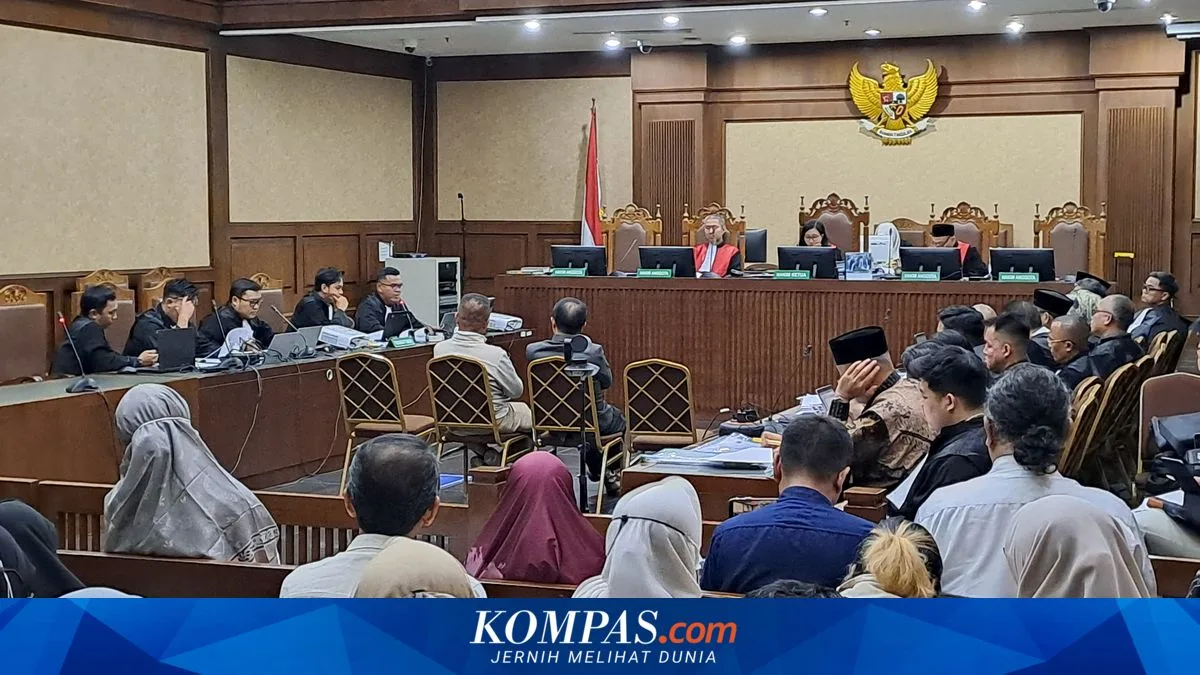
The trial into alleged corruption in the management of the 2023–2024 additional hajj quota at the Central Jakarta Corruption Court on Thursday (24/9/2026) lifted the veil on how the 50 percent regular and 50 percent special composition was discussed long before the DPR's official agreement. The fact emerged from the testimony of two witnesses: former Director General of Hajj and Umrah Organization (PHU) at the Ministry of Religious Affairs, Hilman Latief, and former Hajj Consul at the Indonesian Consulate General in Jeddah, Nasrullah Jasam.
According to Hilman, the 50:50 split had been discussed in November 2023. He admitted he had questioned the basis of the policy because the Working Committee (Panja) of DPR Commission VIII together with the Ministry of Religious Affairs had set a composition of 92 percent for regular hajj and 8 percent for special hajj. “I asked about the basis, because the Panja agreement was 92:8,” Hilman said during the trial.
Hilman also revealed a statement by Yaqut Cholil Qoumas, who was Minister of Religious Affairs at the time. Yaqut was said to have stated that the 50:50 split was a directive from the President. “The Minister said, 'This 50-50 is his direction from the President at the time',” Hilman said. When the judge asked for clarification, Hilman answered that the President in question was Joko Widodo. The statement was made by Yaqut before a working meeting with the DPR in November 2023, after meeting Jokowi.
On the execution side, Nasrullah Jasam revealed that the 50:50 split plan had been discussed since November 2023. He said former special staffer to the Minister of Religious Affairs, Ishfah Abidal Aziz alias Gus Alex, asked him to inquire with Saudi Arabia's Ministry of Hajj and Umrah about the possibility of such a split. “Mr. Ishfah informed me there was a plan for the additional quota to be divided 50:50. He asked me to ask the Saudi Ministry of Hajj whether it was possible,” Nasrullah said.
Nasrullah then contacted Saudi officials. The answer was that each country has the right to determine its own quota composition. “There is the example of Pakistan at 70:30, Singapore entirely special hajj,” Nasrullah said. If it wanted to submit a special request, Indonesia would have to send an official letter signed by the Minister of Religious Affairs. That information was then conveyed to the Indonesian side. Communication via WhatsApp around 15 November 2023 was also revealed, in which Gus Alex asked about the progress of the 50:50 plan. “Ready, just the letter,” Nasrullah replied at the time.
“Indeed, in that meeting 50:50 was not mentioned directly. But the figures presented, if calculated, represent a 50:50 split of the additional quota of 20,000.” — Nasrullah Jasam, former Hajj Consul at the Indonesian Consulate General in Jeddah.
Discussions continued in a meeting with Saudi Arabia's Ministry of Hajj and Umrah in Jeddah in December 2023. The meeting was attended by the Minister of Religious Affairs, the Director General of PHU, a number of Ministry of Religious Affairs officials, including Nasrullah and Gus Alex. Although the term 50:50 was not mentioned directly, the figures discussed pointed to an equal split of the additional 20,000 quota.
For the Indonesian public, this trial is not merely about numbers. The hajj quota is a matter of livelihood for hundreds of thousands of prospective pilgrims who have waited for years. If the 50:50 composition is actually applied without the basis of a DPR agreement, the regular hajj queue could grow even longer, while the quota for special hajj—generally accessed by those able to pay more—could swell. This concerns the sense of fairness and the governance of public services.
Furthermore, the involvement of the President's name in a technical policy of this kind raises questions about the boundary between political direction and administrative procedure. The court will continue to examine who initiated, who executed, and to what extent verbal directives were used to legitimize decisions that deviated from the official agreement. The public waits to see whether Jokowi will be summoned as a witness, and whether this trial can uncover the actual chain of command.