After MBG Poisoning in Batang, BGN Removes SPPG Head and Halts Kitchen Operations
Baca dalam 60 detik
- Badan Gizi Nasional menjatuhkan sanksi berat berupa pencopotan kepala SPPG Bawang dan penghentian sementara operasional dapur setelah 411 orang diduga keracunan usai menyantap menu MBG.
- Investigasi awal menemukan pelanggaran prosedur, termasuk pengolahan telur dini hari dan praktik membawa pulang makanan oleh penerima manfaat yang seharusnya dilarang.
- Evaluasi menyeluruh bersama Dinas Kesehatan tengah berjalan, sementara nasib keberlanjutan program MBG di daerah lain menjadi taruhan kepercayaan publik.
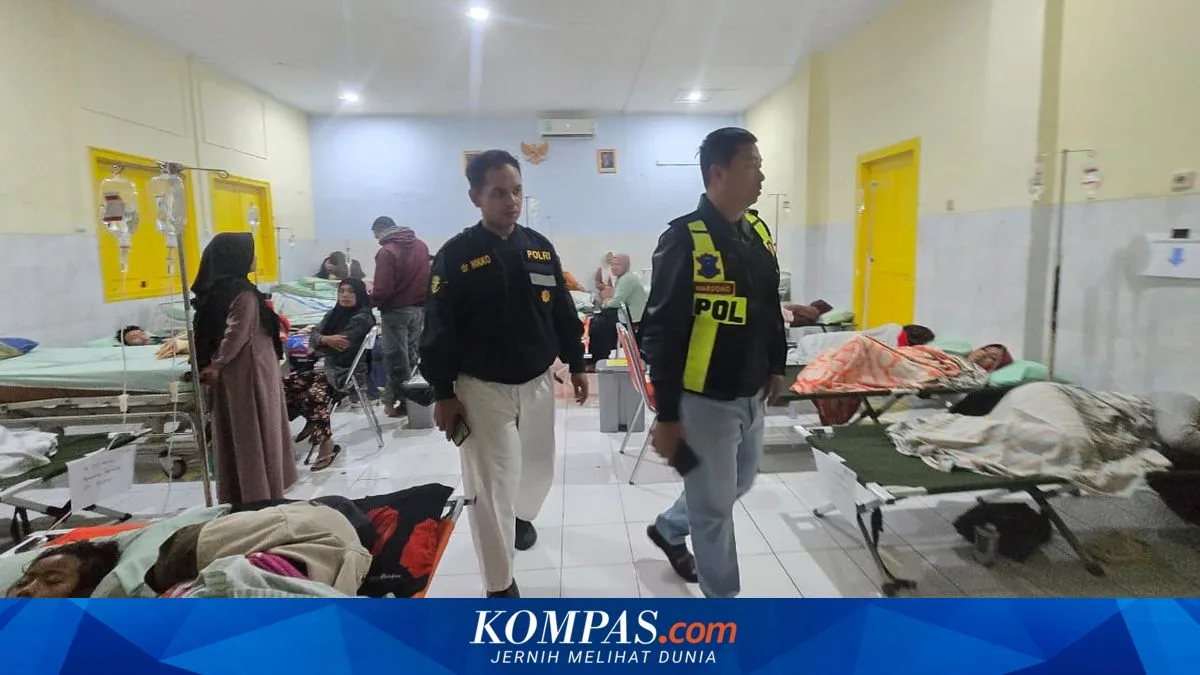
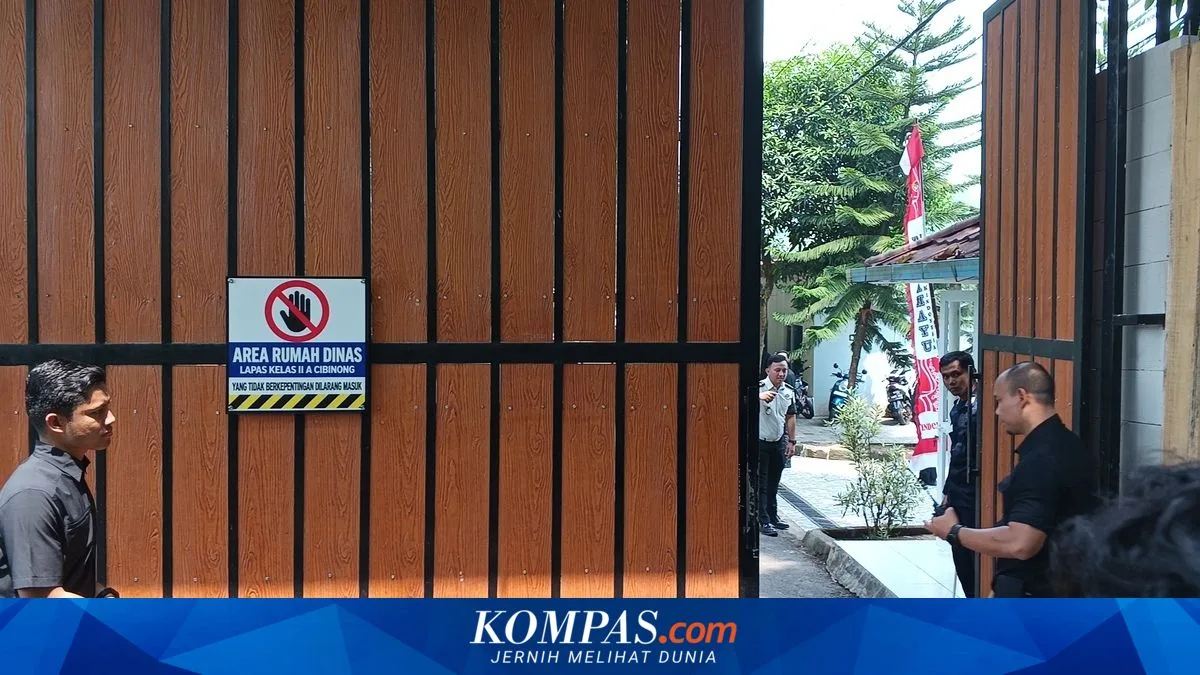
The National Nutrition Agency (BGN) took firm action by removing the Head of the Bawang Nutrition Service Fulfillment Unit (SPPG) in Batang Regency, Central Java, and temporarily halting kitchen operations following an incident of suspected mass poisoning that affected 411 people. This heavy-category sanction was announced directly by BGN Deputy for Monitoring and Supervision Ketut Sumedana on Thursday (24/9/2026), marking the agency's swift response to a food safety crisis that has resurfaced in the Free Nutritious Meals (MBG) program.
The incident in Bawang District is not merely a statistic. Of the total victims, 50 were toddlers, 141 were school-age children, and 220 were adults who consumed food taken home by beneficiaries. Batang Regent M Faiz Kurniawan detailed that 119 people were referred to health facilities, 20 were treated at the Bawang Community Health Center, and 272 others received outpatient care. The fact that most victims were vulnerable groups—toddlers and schoolchildren—underscores how serious the implications of this incident are for public trust in the national priority program.
Ketut revealed that initial inspections found several instances of non-compliance with standard operating procedures. One striking finding was that eggs were cooked too early, at 19.30 WIB, before being reheated at 02.30 WIB. This pattern raises questions about the quality of internal supervision and time management in the SPPG kitchen. In addition, cleanliness at several points in the kitchen also came under scrutiny. "We are tracing the entire process, from raw material receipt, processing, storage, portioning to distribution," Ketut said, stressing that the investigation would not stop at surface findings.
Equally important, BGN noted the practice of beneficiaries taking MBG food home. This action is considered a serious violation because it could expand the risk of contamination beyond the kitchen's supervision. Under the MBG scheme, food should be consumed at designated locations to ensure safety and hygiene are maintained. When food is taken home, the cold chain and safe consumption time become difficult to control, opening a window for pathogenic bacteria to grow.
"We do not want to speculate on the cause of the incident before all examinations are complete. Everything must be based on facts and investigation results," Ketut stressed, adding that a comprehensive evaluation would be conducted together with the relevant Health Office.
For readers in Indonesia, especially stakeholders and investors in the food sector, this incident is an alarm about the importance of supply chain governance in the MBG program. The program, which absorbs a large budget, reaches millions of beneficiaries every day. One lapse in one kitchen can have a systemic impact on the reputation of the program as a whole. The bond and stock markets of companies involved in the MBG supply chain could also face turbulence if trust in food safety continues to erode. Regulators and businesses need to strengthen surprise audit mechanisms and the adoption of real-time temperature and processing-time tracking technology.
The case in Batang also shows that supervision based on formal compliance is not enough. A food safety culture strongly embedded at every operational line of the SPPG is needed. Local governments and BGN must ensure that firm sanctions do not stop at the removal of one kitchen head, but are followed by systemic improvements, including retraining for all kitchen workers and enforcement of the ban on taking food home.
Going forward, the public will await the final investigation results promised by BGN. The question is, will these findings become a turning point for improving MBG governance nationally, or instead set a precedent that weakens trust in a program that concerns the livelihoods of many? The answer will depend heavily on transparency and the firmness of follow-up steps in the coming weeks.