PSI Challenges Parliamentary Threshold: Ready to Fight at Any Number, Relying on Jokowi and Kaesang
Baca dalam 60 detik
- PSI menyatakan kesiapan menghadapi Pemilu 2029 meski tak memiliki kursi di DPR, dengan modal utama Kaesang Pangarep dan dukungan Jokowi.
- Partai koalisi Prabowo mengusulkan ambang batas 5 persen, sementara PDI-P dan Nasdem menginginkan 6-7 persen, memicu kekhawatiran membengkaknya suara terbuang.
- Dengan 16 juta suara tak terwakili pada 2024, formulasi ambang batas baru berpotensi mengubah peta politik dan strategi partai non-parlemen.
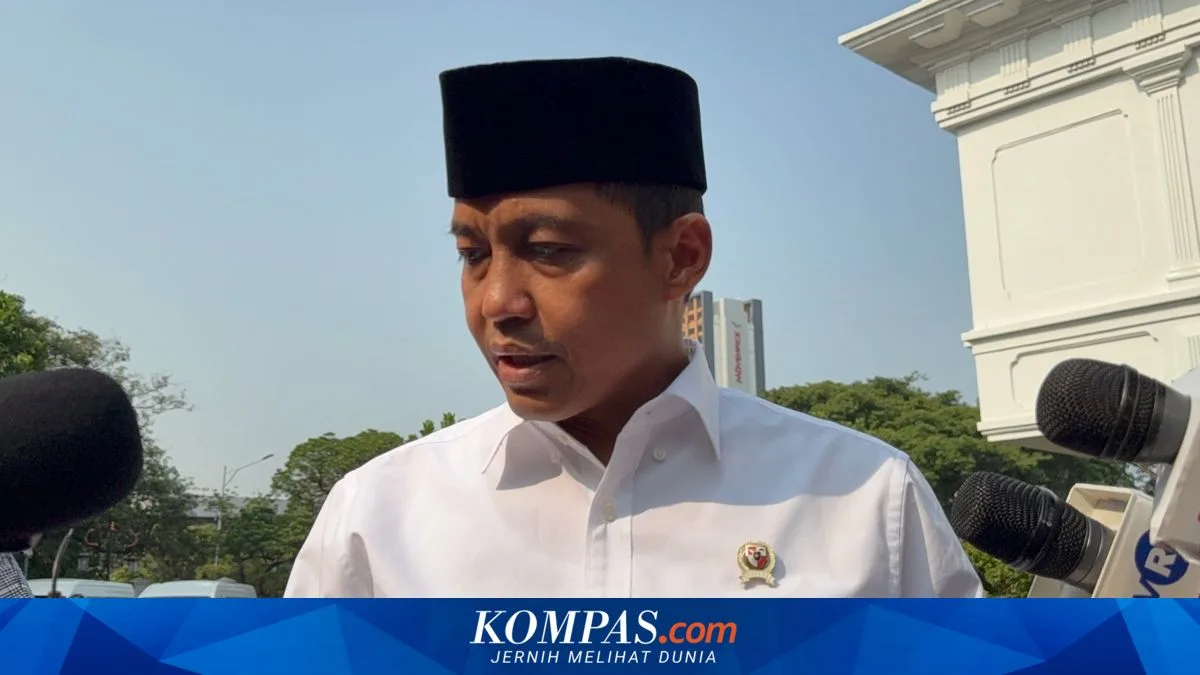
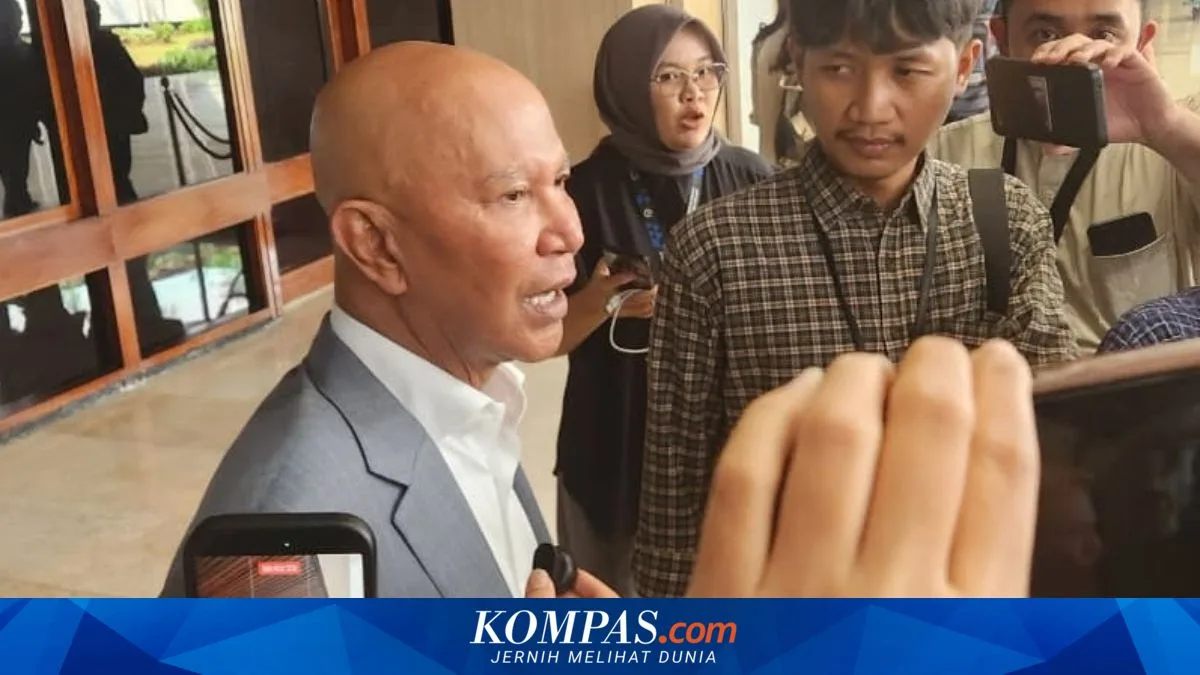
The Indonesian Solidarity Party (PSI) says it is undaunted by the 2029 election, regardless of the parliamentary threshold that is eventually agreed upon. The statement was made by PSI Secretary-General Raja Juli Antoni at the Presidential Palace Complex in Jakarta on Thursday (24/9/2026), stressing that his party is ready to fight with General Chairman Kaesang Pangarep and the full backing of 7th President Joko Widodo as its main assets.
Raja Juli underlined that PSI currently has no representation in the DPR, so any decision on the threshold will not significantly change their position. "We are not in parliament, so whatever is decided, PSI, God willing, is ready," he said. He added that the experience of two elections and Kaesang's presence as general chairman, plus Jokowi's endorsement, are enough ammunition to move forward.
Nevertheless, Raja Juli reminded that the threshold formula must not waste the people's votes. He referred to the 2024 election, in which around 16 million valid votes were not represented in the DPR due to the 4 percent threshold. "If the threshold rises to 5 percent, how many more votes will be wasted? This is about democratic fairness," he said.
The discourse on raising the threshold emerged after Gerindra Secretary-General Sugiono expressed the coalition parties' support for 5 percent in the revision of the Election Law. According to Sugiono, that figure is considered sufficient to accommodate the people's votes without wasting too many. "All coalition parties seem to agree, but I cannot speak on their behalf," he said at the DPR RI Building on Wednesday (16/9/2026).
However, the proposal is not unanimous. PDI-P and Nasdem instead want a higher threshold, 6 and 7 percent respectively. The difference reflects the tug-of-war of interests among parties ahead of the 2029 election. For large parties, a high threshold can reduce fragmentation in parliament, but for small or non-parliamentary parties like PSI, the rule could become a thick wall.
"A fair and democratic formulation is important. But for PSI, whatever the number, we are ready to fight in 2029," said Raja Juli Antoni.
For readers in Indonesia, especially investors and professionals, the dynamics of the parliamentary threshold are not merely a matter of electoral politics. The stability of the coalition and the future composition of the DPR will influence the direction of fiscal policy, investment regulation, and the business climate. A threshold that is too high risks narrowing representation, while one that is too low could slow decision-making in the legislature.
PSI, with Jokowi and Kaesang's support, could become a dark horse if it manages to consolidate a base of young voters and a volunteer network. However, without seats in the DPR, they must work extra hard to pass the threshold, whatever the number. The 2024 experience shows that non-parliamentary parties face heavy challenges, especially in funding and media exposure.
Going forward, the revision of the Election Law will be the main battleground. The public is waiting to see whether the government and the DPR will accommodate the aspirations of small parties or instead strengthen the dominance of large parties. What is clear is that PSI has declared itself ready to fight, and Jokowi is said to be coming down from the mountain. Will the new threshold become a stumbling block or a stepping stone for PSI toward Senayan?