Pestapora 2026: South Korean Musicians to Perform for the First Time, 330 Acts Across 19 Stages
Baca dalam 60 detik
- Pestapora 2026 untuk pertama kalinya menghadirkan dua musisi asal Korea Selatan, Tuesday Beach Club dan Mombrimz, sebagai bagian dari ekspansi festival ke skala internasional.
- Jumlah penampil tahun ini melonjak menjadi 330, naik sekitar 50 dari edisi sebelumnya, dan akan digelar di Gambir Expo serta Hall D2 JIEXPO Jakarta pada 25–27 September 2026.
- Langkah ini menandai pergeseran strategi festival musik lokal yang mulai menjangkau pasar Asia, sekaligus menguji daya saing industri hiburan nasional di tengah gelombang K-pop dan K-culture.

The annual music festival Pestapora 2026 will make history by featuring international musicians for the first time. Two bands from South Korea, Tuesday Beach Club and Mombrimz, are confirmed to perform on the Gegap Gempita Stage on the opening day, 25 September 2026, at Gambir Expo and Hall D2 JIEXPO, Jakarta. The move marks a new chapter for a festival long known as a stage for domestic musicians.
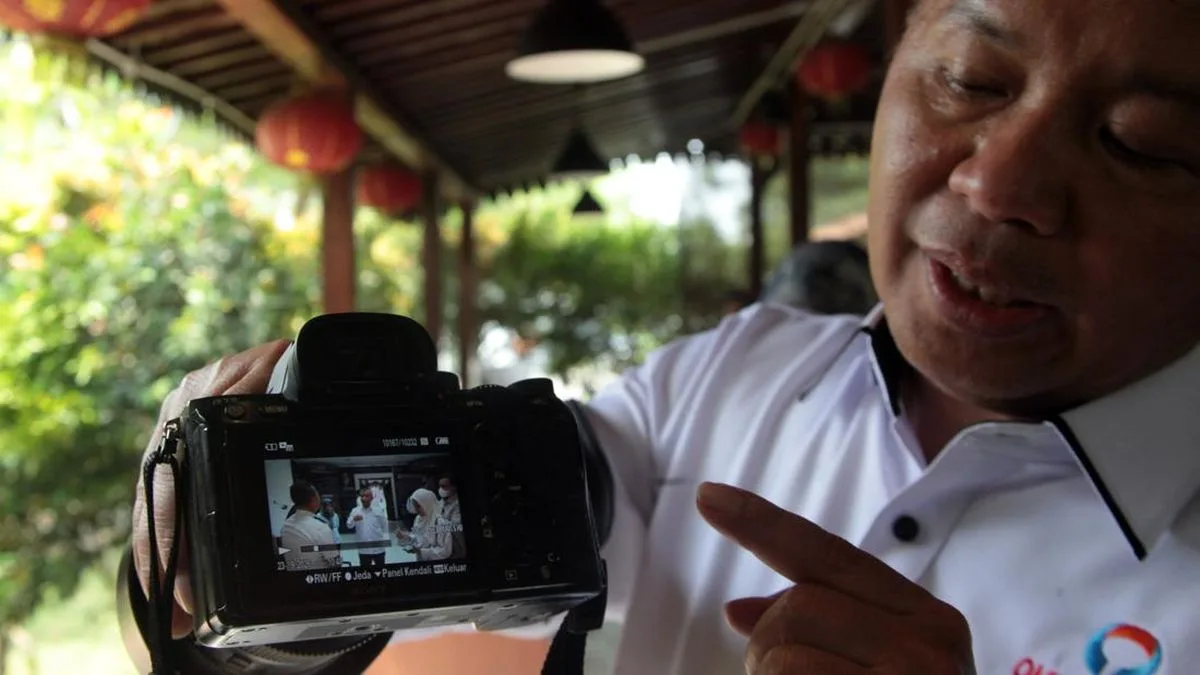
The decision to bring in cross-border acts is not without reason. Pestapora Festival Director Kiki Aulia Ucup said that this year the organizers deliberately broadened their scope to bring a new experience to audiences. “This is the first time we have tried to bring in performers from outside Indonesia,” he said at a press conference in Cipete, South Jakarta, on Wednesday (23/9/2026). He added that Tuesday Beach Club has musical similarities with Alkateri, so it is hoped they will be well received by Indonesian music fans.
In terms of scale, Pestapora 2026 has indeed grown significantly. A total of 330 acts will fill 19 stages over three days, up from 287 acts in the previous edition. “There are about 50 more performers than last year,” Ucup said. The surge is not only about quantity but also reflects growing market interest and sponsor confidence in music festivals as a catalyst for the creative economy.
Beyond the international surprise, Pestapora 2026 also features an anticipated comeback. Syahrini will return to the stage after a seven-year hiatus, while Fourtwnty will collaborate with the Erwin Gutawa Orchestra. A lineup of other musicians, including Juicy Luicy, Wijaya 80, Vierratale, King Nassar, Fiersa Besari, Ari Lasso, Danilla, Raisa, Barasuara, and Happy Asmara, will also enliven the event. The combination shows that the festival does not rely solely on big names but also embraces a range of genres and generations.
“This year’s big move is bringing in more performers than before. We want Pestapora to remain a home for Indonesian musicians and guests from abroad,” said Kiki Aulia Ucup.
For readers in Indonesia, especially those in the music industry and creative economy, Pestapora’s move to bring in South Korean musicians can be read as a response to market dynamics. The wave of K-pop and K-culture has long dominated the attention of young Indonesians. By bringing in actors from that ecosystem directly, the festival not only draws new audiences but also opens opportunities for cross-border collaboration, exchange of ideas, and potential export markets for local musicians.
However, this expansion also raises questions about competitiveness. Will the presence of international musicians shift the stage away from domestic talent, or will it instead push production standards higher? Music observers say festivals like Pestapora serve as a barometer of the industry’s health. If it can manage the diversity of performers well, Pestapora could well become a gateway for other festivals to explore regional cooperation.
From an economic standpoint, holding a large-scale festival in Jakarta for three days has the potential to drive the accommodation, transportation, culinary, and MSME sectors around the venue. Local government and organizers need to ensure that infrastructure and security support the surge in visitors. The success of Pestapora 2026 will be a positive signal for investment in the country’s event and music tourism sector.
Looking ahead, will Pestapora consistently feature international performers every year, or will it return its focus to local strengths? The answer to that question will not only determine the festival’s direction but also Indonesia’s position on the increasingly competitive map of Southeast Asia’s music industry.