Two Migrant Boats Land Unescorted in Kent, UK Home Secretary Orders Border Audit
Baca dalam 60 detik
- Menteri Dalam Negeri Inggris Shabana Mahmood memerintahkan tinjauan mendesak setelah dua perahu migran mencapai pantai Kent tanpa intersepsi pada Senin dan Selasa.
- Insiden ini menandai pendaratan tak terkendali pertama dalam setahun, memicu kritik oposisi terhadap efektivitas pengawasan perbatasan.
- Pemerintah Inggris mengklaim jumlah penyeberangan tahun ini turun 44,7%, tetapi oposisi menuntut deportasi tegas sebagai solusi.
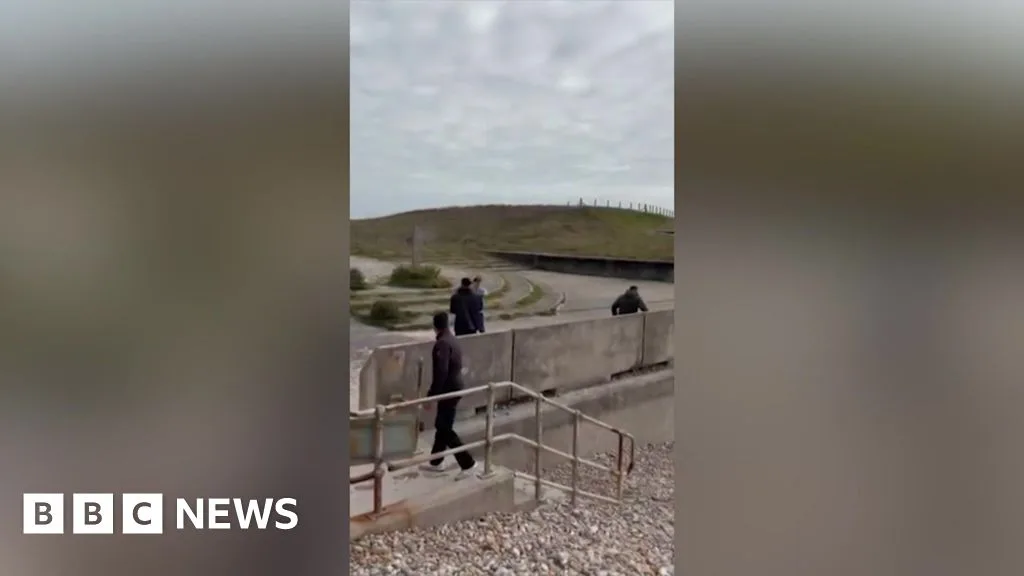
UK Home Secretary Shabana Mahmood called migrant landings on British beaches "unacceptable" and ordered an urgent review by the Border Security Command after two boats arrived in Kent without being intercepted. The incidents occurred on Monday and Tuesday, with 21 people detained at Samphire Hoe, between Dover and Folkestone, on Tuesday, and five people detained the day before near Folkestone.
Such unescorted landings are extremely rare. Before Monday, no small boat had been officially recorded arriving in the UK without escort since 6 September 2025. Home Office data shows that the 2025 incident was the only similar case since records began in 2023. Typically, migrants crossing the English Channel are picked up by the Border Security Command or RNLI vessels.
Mahmood stressed that increased monitoring has made uncontrolled crossings extremely rare, but "even one is too many". She ordered a review to investigate how it could happen and what steps are needed to prevent a recurrence. She also highlighted a new tactic by people smugglers launching boats from locations further west in France, which she said showed two things: first, the gangs do not value human life by forcing increasingly long and dangerous crossings; second, the government's efforts are bearing fruit by making boat launches harder and suppressing arrival numbers.
Sharp criticism came from Shadow Home Secretary Chris Philp, who called it a "day of despair" for the Labour government. He accused border security of being in chaos and said France was not trying to stop the boats in its waters, but instead escorting them to the UK. Philp stressed that the only way to stop the crossings is to deport anyone who arrives illegally to their home country or a safe third country.
"Our increased monitoring has made uncontrolled crossings extremely rare, but even one is too many. That is why I have ordered an urgent review by the Border Security Command," Mahmood said.
In the early hours of Wednesday, migrants were brought to Dover after travelling from a village near Bayeux, Normandy, to Gosport, Hampshire, spending more than 33 hours at sea. A government spokesperson said Border Security Command officers along with Kent Police had responded to the incident in Dover, and 21 individuals had been detained. A thorough investigation is under way. Those detained were taken to Western Jet Foil for processing.
The unescorted landings come after the Border Security Command claimed the problem was a thing of the past thanks to new surveillance technology and better resources. Previously, Reform UK proposed deploying the Royal Navy to help with interceptions, but this was rejected.
Indonesian Context: For Indonesia, this UK border policy has indirect implications for cross-border cooperation in tackling illegal migration and transnational crime. Indonesia, as an archipelagic state that often serves as a transit route for asylum seekers and migrants, can learn from the importance of surveillance technology and inter-agency coordination. In addition, the UK's firmness in handling people smuggling could encourage ASEAN countries to strengthen maritime patrols and intelligence sharing, especially in facing increasingly sophisticated smuggling syndicates. The deportation policy proposed by the UK opposition could also serve as a precedent for Indonesia in handling illegal immigrants, albeit with a more humane human rights approach.
Going forward, the success of this review will determine whether the Labour government can keep its promise to tighten the border or instead face mounting political pressure ahead of the election. Will improved surveillance technology be enough to close the gaps, or will smugglers' tactics continue to evolve faster than the state's response?