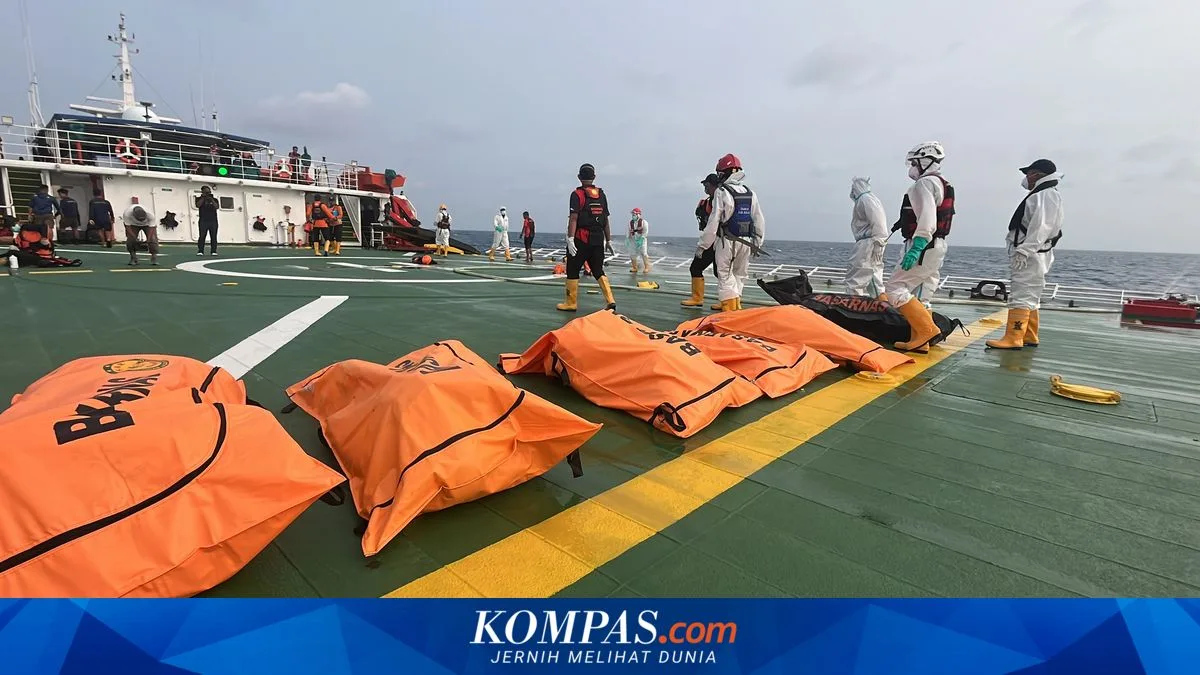
Body of KM Arupadhatu I Crew Member Repatriated as Mystery of 5 Missing Journalists in Sunda Strait Remains Unsolved
Baca dalam 60 detik
- Jenazah Surakman, kru KM Arupadhatu I, tiba di Bandara Soekarno-Hatta untuk diserahkan kepada keluarga.
- Insiden hilang kontak kapal yang mengangkut lima jurnalis di perairan Selat Sunda masih menyisakan banyak pertanyaan.
- Pemerintah dan otoritas terkait dituntut memperjelas kronologi serta meningkatkan standar keselamatan pelayaran.
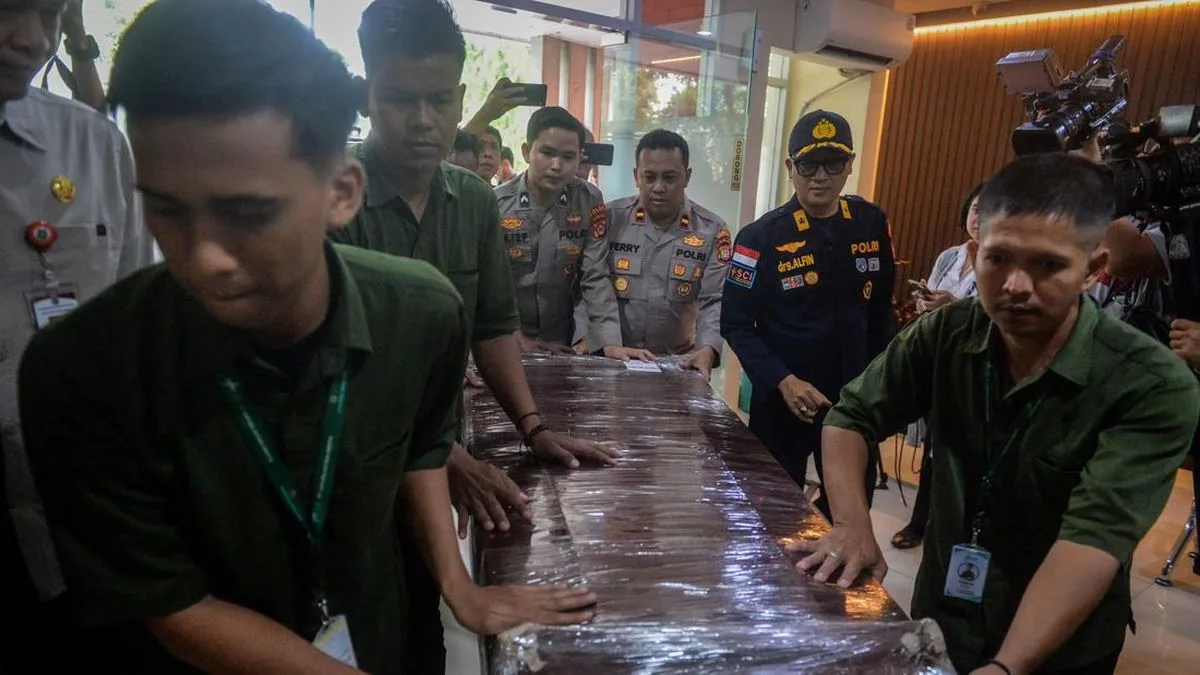
The body of Surakman (60), a crew member of KM Arupadhatu I, arrived at the Cargo Terminal of Soekarno-Hatta Airport, Tangerang, Banten, on Thursday (24/9/2026). The arrival of the man, one of the crew of the vessel carrying five journalists who lost contact in the waters of the Sunda Strait, marked the start of the process of returning him to his family.
The incident began when KM Arupadhatu I, which was carrying a group of journalists, was reported to have lost contact in the waters of the Sunda Strait. Surakman was later found dead and his body was identified by police before being flown to Jakarta. Several regional officials, including Pandeglang Regent Dewi Setiani and Head of the Leadership Administration Bureau of the Banten Provincial Secretariat Arif Agus Rakhman, were also present at the airport to witness the handover of the body to the victim's child and cousin.
To date, the fate of the five journalists aboard the vessel remains unclear. The loss of contact with the ship raises major questions about what actually happened in the waters of the Sunda Strait—an area known for strong currents and weather that often changes drastically. The incident also highlights the risks of navigation along that busy route, especially for small vessels carrying passengers on journalistic missions.
Maritime accidents involving journalists are nothing new in Indonesia. A number of press organizations have long pushed for stricter safety protocols for reporting in high-risk areas. However, this incident is a reminder that protection for media workers carrying out their duties is still far from adequate. In addition, coordination between port authorities, Basarnas, and police in search and rescue operations has come under scrutiny.
"We appreciate the evacuation and identification efforts, but clarity on the chronology and transparency of information are badly needed by the public," said a maritime safety observer who declined to be named.
On the regulatory side, Indonesia has a Shipping Law that sets out vessel safety standards, including the obligation to carry communication and navigation equipment. Even so, enforcement in the field is often hampered by limited oversight and geographical conditions. The Sunda Strait, with its dense ship traffic and high waves, is one of the vulnerable points that requires extra attention.
For the public, this event is not merely sad news. There are broader implications: how the state ensures the safety of its citizens, including journalists tasked with reporting from the front line. When a vessel carrying five media professionals goes missing, questions about accountability and operational standards come to the fore. The victims' families deserve certainty, while the public has the right to know what actually happened.
Going forward, this case should serve as a momentum for a thorough evaluation of maritime safety procedures, particularly for vessels chartered for journalistic missions or other civilian activities. Without systemic improvements, similar risks could recur. Meanwhile, the search for the five journalists who have still not been found must continue with all available resources. Will this tragedy trigger real change, or will it become just another dark note faded by time?