Ipda Yayat and the Gaps in Police Oversight Behind the Regional Project Business
Baca dalam 60 detik
- Nama Ipda Yayat Sudrajat, anggota Intelkam Polsek Cimanggis, mencuat dalam persidangan korupsi Pemkab Bekasi sebagai penghubung kontraktor dengan pejabat daerah.
- KPK menelusuri dugaan aliran uang puluhan miliar rupiah dan aset yang diduga terkait perkara, termasuk penggeledahan di Cibubur dan Depok.
- Kompolnas menilai aktivitas di luar wilayah tugas berpotensi melanggar kode etik dan hukum, sementara mekanisme pengawasan diatur dalam Perkap Nomor 9 Tahun 2017.

The Corruption Eradication Commission (KPK) is dissecting the role of Ipda Yayat Sudrajat, a member of the Security Intelligence Unit at Cimanggis Police Station, Depok, whose name has been repeatedly mentioned in the trial into alleged corruption in the Bekasi Regency Government. Yayat is suspected of acting as a bridge between a private contractor identified as S and a number of officials in the regency government, with alleged payments reaching tens of billions of rupiah.
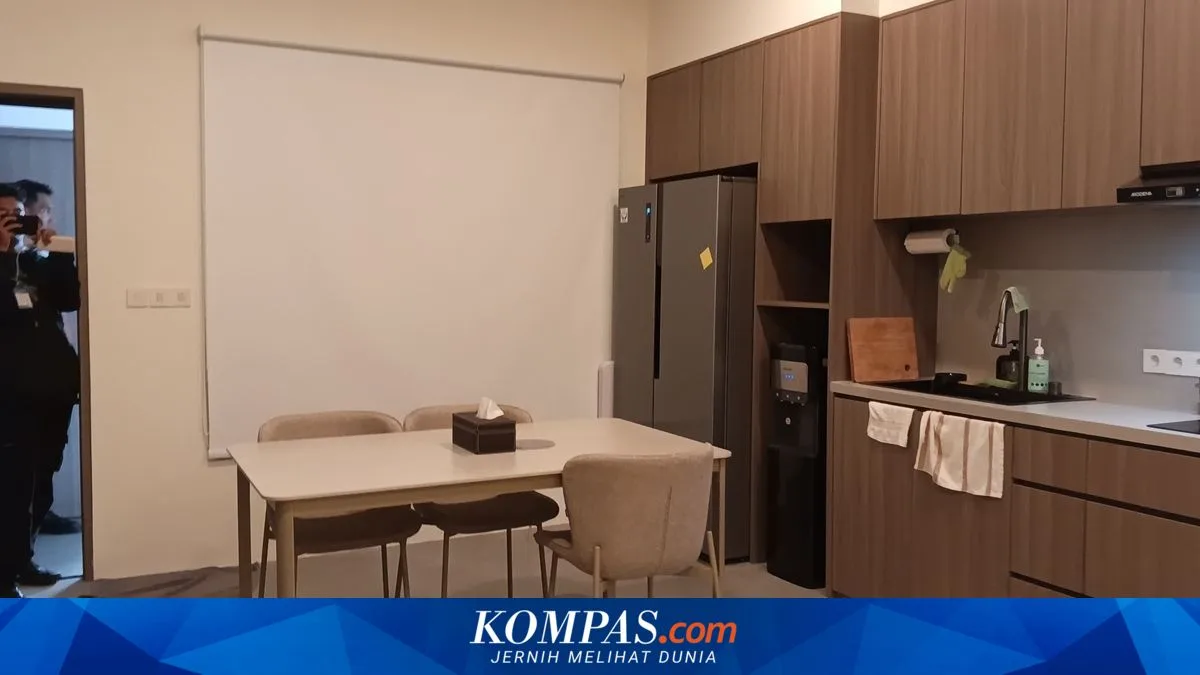
KPK spokesperson Budi Prasetyo said investigators have not stopped at the alleged flow of funds. The probe is also targeting assets believed to be linked to the case, including a house searched in the Cibubur area on 10 September 2026 and another location in Depok. According to Budi, the initial information about large payments actually emerged from the courtroom, not from internal police reports.
This case highlights a long-standing question: to what extent may a member of the National Police carry out economic activity outside their official duties? Kompolnas Daily Chair Arief Wicaksono Sudiutomo believes that if the allegation of being a project broker in Bekasi is proven, Yayat has worked outside his area of responsibility as an intelkam officer in Depok. According to him, the police's core duty is to maintain security and order and enforce the law, not to handle regional projects.
"If the allegation is that he was a project broker in Bekasi Regency, it means he has carried out duties or activities outside his area of responsibility," Arief said in an interview on Obrolan Newsroom Kompas.com, Tuesday (22/9/2026).
Arief added that a side job held by a police member almost always carries the potential for a conflict of interest. If such activity clashes with official duties, the sanctions can be layered: professional ethics violations up to criminal charges. He stressed the importance of focusing on the core duty as law enforcers and protectors of the public.
Police observer and former Kompolnas Commissioner Poengky Indarti reminded that oversight mechanisms are in fact already available. National Police Regulation Number 9 of 2017 sets limits on police members owning or running a business. In other words, the problem is not the absence of rules, but how consistently they are enforced on the ground.
For the public, the appearance of Yayat's name at trial raises a bigger question: why did the alleged involvement only surface through the courts, rather than through the internal oversight system? If an intelkam officer who is supposed to map potential disturbances is instead suspected of becoming a link for business interests, trust in the institution could erode. This is not merely an individual case, but a test of the architecture of police oversight.
From an economic standpoint, this case directly touches the regional investment climate. Regency government projects that should go through open tenders could be rigged if a broker is arranging the game. For businesses in Bekasi and surrounding areas, cost uncertainty caused by unofficial practices can squeeze margins and hinder expansion. Investors weighing entry into the regional infrastructure sector will be watching how the KPK and the police conclude this case.
The KPK has not concluded Yayat's legal status. Investigators are still examining the link between the assets found and the ongoing case. However, public pressure for transparency is mounting, especially because this case involves an officer who should be at the forefront of corruption eradication.
Going forward, two things bear watching. First, whether the police's Propam will move in parallel with the KPK or wait for a court ruling. Second, whether Perkap Number 9 of 2017 will be revised to more firmly restrict the economic activity of personnel, including stricter reporting requirements. If not, similar cases risk recurring with different actors.