Apartment-Style Facilities at Cibinong Prison: Ombudsman Told to Report to Prabowo, Imipas Must Clarify
Baca dalam 60 detik
- Wakil Ketua Komisi II DPR RI Dede Macan Yusuf meminta Ombudsman RI menyampaikan temuan fasilitas berstandar apartemen di Lapas Cibinong kepada Presiden Prabowo Subianto.
- Dede menegaskan pemeriksaan Ombudsman adalah bagian dari pengawasan pelayanan publik, bukan upaya mencari kesalahan, dan mendesak Kementerian Imigrasi dan Pemasyarakatan segera memberikan klarifikasi.
- Temuan ini berpotensi memicu evaluasi tata kelola lapas dan menjadi ujian transparansi pemerintah di sektor pemasyarakatan.
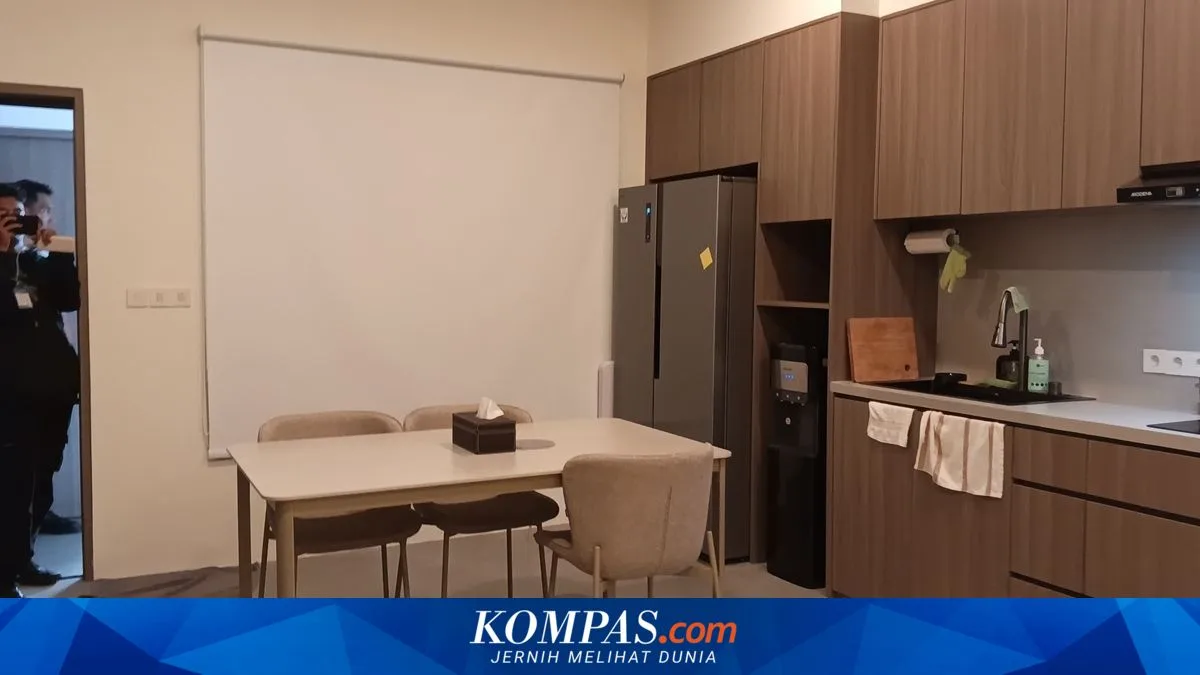
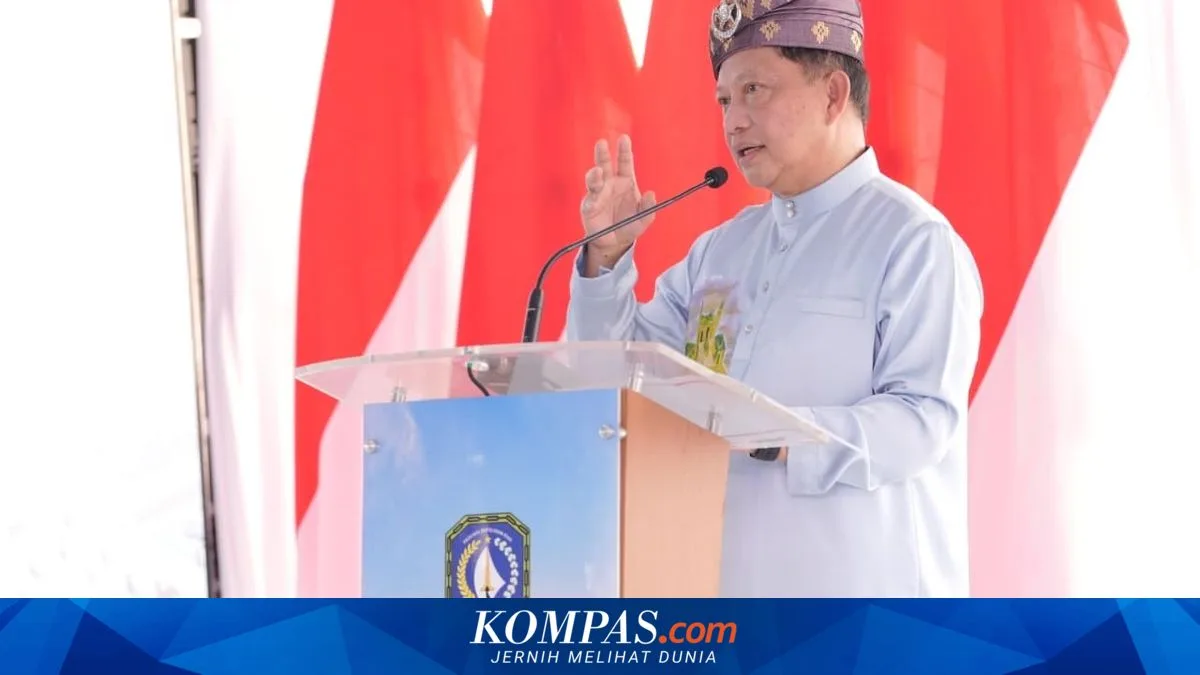
Deputy Chair of House Commission II Dede Macan Yusuf urged the Indonesian Ombudsman to immediately report the results of its inspection of apartment-standard facilities at Cibinong Class IIA Prison to President Prabowo Subianto. The request was made by Dede at the House of Representatives building on Thursday (24/9/2026), following the public service watchdog's findings, which have drawn public attention.
According to Dede, reporting to the President is important because the Ombudsman is under the direct control of the head of state. "In my view, the first thing the Ombudsman must do is report to the President. Because the Ombudsman is under the President," he said. The Democratic Party politician assessed that what the Ombudsman did was the exercise of its duties and authority in overseeing public services, not an attempt to find fault with any particular party.
Dede also asked the Ministry of Immigration and Corrections (Imipas) to immediately provide an official clarification. He stressed that clarification is needed to prevent wild speculation in the community. "What I want right now is for the Imipas side to immediately report to the Ombudsman, to set the case straight so we don't build scenarios that go too far," he said. Dede encouraged a meeting among government institutions to resolve this issue transparently.
The Ombudsman's findings stemmed from a second unannounced inspection (sidak) conducted on Wednesday (23/9/2026). During the first inspection, the Ombudsman team was not allowed into the prison area. Ombudsman member Fikri Yasin revealed that the facilities are at the rear of the complex and separate from the housing block for inmates in general. "Nice, very nice. Apartment standard. That means even though they are small, all the amenities are there. All the household appliances are there," Fikri said on Wednesday.
"So the context is, what the Ombudsman does in conducting inspections anywhere is basically to check that public services are running well, not to find fault with people." — Dede Macan Yusuf, Deputy Chair of House Commission II
This issue highlights gaps in oversight within the corrections system that have often gone unnoticed. Facilities separated from the general block and built to apartment standards raise questions about who the actual occupants are, how the facilities were built, and where the funding came from. If not explained openly, these findings could erode public trust in the governance of prisons and the corrections system as a whole.
For readers in Indonesia, especially investors and business players, this issue is not merely an internal prison matter. The stability and credibility of law enforcement institutions are important factors in the investment climate. Unclear management of state assets within the corrections system can create a negative perception of government governance, which in turn affects investment decisions and business partnerships. Transparency in this case will be an indicator of the government's seriousness in reforming a sector that has rarely been touched by reform.
The push for the Ombudsman to report directly to the President also signals an institutional tug-of-war. On one hand, the Ombudsman has independence in carrying out its oversight function. On the other hand, reporting to the President could speed up follow-up, but also opens room for politicization. The public will watch whether this step leads to real improvement or merely becomes material for political debate in Senayan.
Going forward, public attention is focused on two things: the official response of the Ministry of Immigration and Corrections and the Ombudsman's follow-up. Will the clarification reveal the actual facts, or instead raise new questions about who is responsible for the luxurious facilities behind the prison walls? The answer to that question will determine the direction of corrections reform in Indonesia.