Free Education Budget of Rp 302 Trillion, Said Abdullah: Don't Force It All at Once
Baca dalam 60 detik
- Ketua Banggar DPR Said Abdullah menilai pembebasan biaya sekolah dari SD hingga kampus harus dijalankan berjenjang agar tata kelola tidak kacau.
- Proyeksi kebutuhan dana mencapai Rp 302 triliun pada 2028, dengan porsi terbesar untuk jenjang dasar dan menengah, sementara perguruan tinggi menyerap sekitar Rp 92 triliun.
- Tahun 2027 hanya disiapkan Rp 5 triliun sebagai uji coba di SD dan SMP, diprioritaskan untuk daerah tertinggal, terdepan, dan terluar.
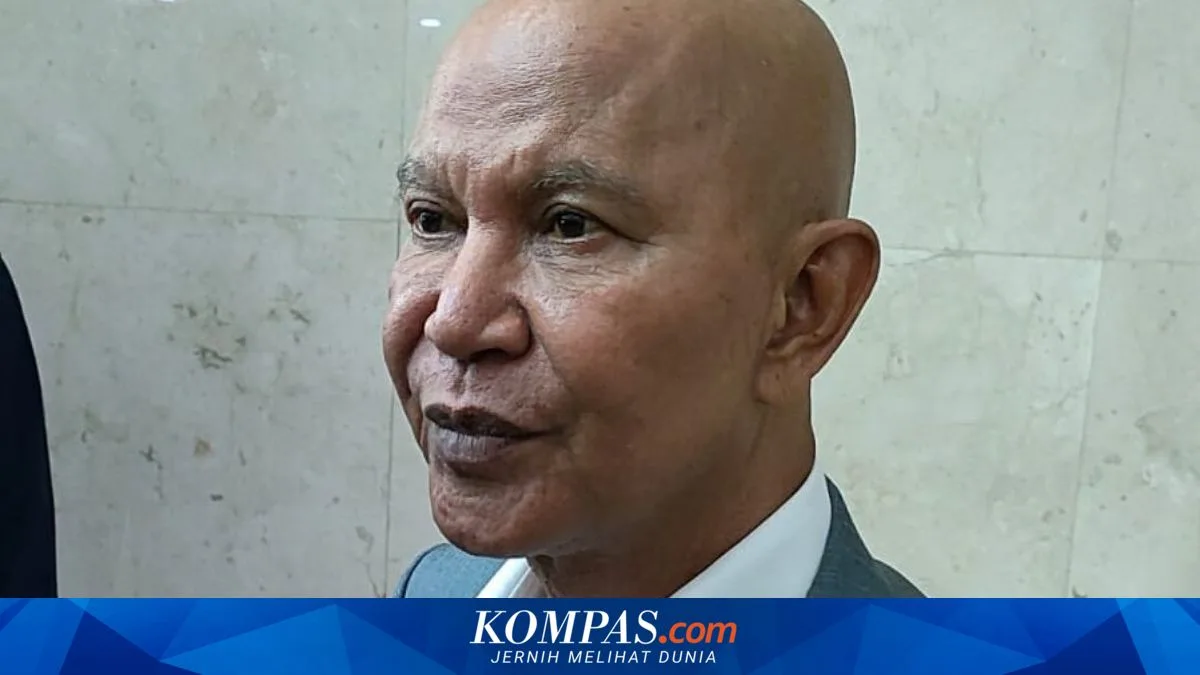
Chairman of the House Budget Committee (Banggar DPR RI) Said Abdullah stressed that the free education program from elementary school through university cannot be rolled out all at once. He argued that phasing is needed so the state budget does not collapse and education governance remains under control.
The statement was made by Said after a working meeting discussing the 2027 State Budget Bill at the Senayan Complex, Jakarta, Thursday (24/9/2026). According to him, the surge in education spending needs must be matched by fiscal and administrative readiness. "We want this free schooling for elementary, junior high, senior high, and university to be phased in, which is the most ideal. Because we worry that if the budget is not prepared carefully, it will create problems in governance," he said.
The PDIP politician projected that the funding needs for the free education program would reach Rp 302 trillion for full implementation in 2028. Of that amount, around Rp 210 trillion is allocated for elementary, junior high, and senior high levels, while universities need around Rp 92 trillion. However, he proposed that disbursement not be immediately 100 percent. "Let's say in 2028, the budget allocation is applied at 60 percent, then gradually rises to 75 percent first, and only in the following year can it reach 100 percent. I want to try to be realistic," he explained.
Beyond the numbers, Said highlighted the readiness of teaching staff. He reminded that this program intersects with the plan to transfer teacher management to the central government as well as the restructuring of the status of government employees under work agreements (PPPK). Without those reforms, he argued, expanding the coverage of free education risks creating quality disparities between regions.
For 2027, the House Budget Committee has set a free education budget of Rp 5 trillion as a pilot project. Said proposed that the trial be prioritized for public schools in disadvantaged, frontier, and outermost (3T) regions. According to him, 3T regions need intervention the most due to limited access and education infrastructure. As for private schools, he argued that a comprehensive study is still needed. "Now what about private ones? We need a comprehensive study," he said.
For market players and the business world, this phasing signal matters. The free education policy could potentially change the structure of household spending, which has long been one of the pillars of domestic consumption. If school costs fall significantly, people's purchasing power could rise, but on the other hand the private education sector and school support service providers need to adjust their business models. Investors in the consumer, property, and education technology sectors should closely watch the final direction of this policy.
From a fiscal standpoint, the Rp 302 trillion commitment demands wide budget room. The government must ensure that funding sources do not sacrifice other spending, such as infrastructure and health. Said himself emphasized the importance of realism: it is better to increase gradually than to force broad coverage without readiness. That approach is in line with the precautionary principle in managing the state budget.
Going forward, the question is no longer whether free education will proceed, but how fast and how evenly. The 2027 trial in 3T regions will be the barometer. If successful, pressure to accelerate expansion to all regions and levels will strengthen. However, if teacher and private school governance is not yet settled, the 100 percent target in 2029 could be delayed. The public and businesses need to monitor the details of the implementing regulations so this program does not stop as a budget promise.