National Farmers' Day: Kamojang Geothermal Turns Waste Into Fertilizer, Farmers Save Rp 82 Million
Baca dalam 60 detik
- Kelompok Tani Hutan Cikondang bersama Pertamina Geothermal Energy mengembangkan GeO-Fert, pupuk organik yang dikeringkan menggunakan sisa uap panas bumi di Kamojang.
- Inovasi ini memangkas waktu pengeringan dari 14 hari menjadi 12 jam, memanfaatkan 600 ton limbah organik untuk memproduksi 300 ton pupuk dan menghemat biaya petani hingga Rp 82 juta.
- Ke depan, model Desa Energi Berdikari berpotensi direplikasi di daerah lain untuk memperkuat kemandirian petani dan ketahanan pangan nasional.
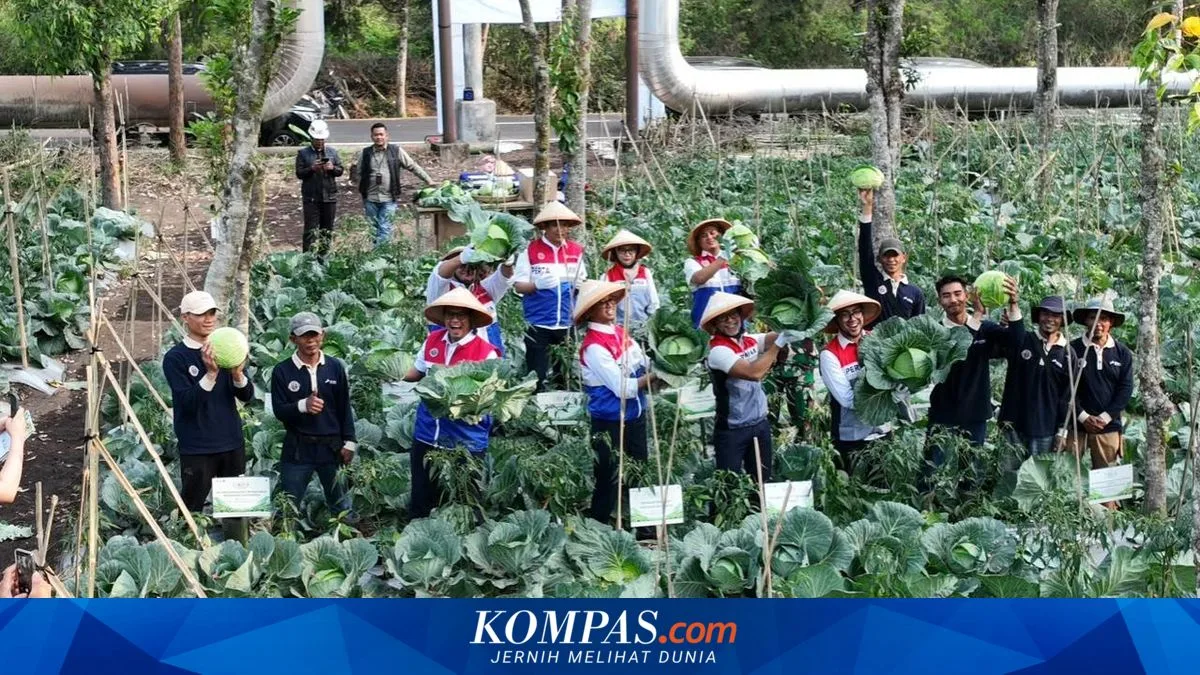
Farmers on the slopes of Kamojang, Bandung Regency, West Java, have proven that geothermal energy does not only light homes but also enriches the soil. By harnessing excess steam, the Cikondang Forest Farmers Group (KTH) together with PT Pertamina Geothermal Energy Tbk (PGE) Kamojang Area processes organic waste into fertilizer, cutting drying time from 14 days to 12 hours and saving up to Rp 82 million in costs.
The innovation, named GeO-Fert, was born out of an urgent need: subsidized fertilizer is increasingly scarce and the price of chemical fertilizer keeps climbing. Amid high rainfall that slows conventional drying, Kamojang farmers sought a way out. Geothermal heat at 60–70 degrees Celsius, abundant from the nearby power plant, became the answer. As of 2026, the Kanyaah Energy Self-Sufficient Village (DEB) program has processed around 600 tons of organic waste into 300 tons of fertilizer, applied to 15 hectares of land and benefiting around 950 farmers.
The success of GeO-Fert is not merely a matter of production figures. Local Hero of KTH Cikondang, Hendro Gunawan, stressed that the real benchmark is when the fertilizer returns to the soil and produces a harvest. "From something previously considered waste, it can now provide benefits for agriculture and farmers," he said. This aligns with the spirit of National Farmers' Day, commemorated every 24 September, which this year serves as a moment to reflect on the role of farmers and the innovations that strengthen their self-reliance.
Vice President Corporate Communication of PT Pertamina (Persero), Muhammad Baron, assessed that the GeO-Fert story shows renewable energy can deliver broader benefits when connected to people's productive needs. "Farmers are an important part of maintaining food security. Through Desa Energi Berdikari, Pertamina seeks to bring renewable energy closer to people's needs," said Baron. He added that geothermal energy, long associated with power plants, is also used for coffee drying and other agricultural activities.
For readers in Indonesia, especially investors and farming businesses, the Kamojang model offers a blueprint that can be replicated. With chemical fertilizer prices vulnerable to global fluctuations and subsidies limited, using renewable energy for organic fertilizer production is a promising alternative. Besides reducing production costs, this step lessens dependence on imported fertilizer raw materials and promotes a circular economy in rural areas. The government can also encourage incentives for regions with geothermal potential to adopt similar schemes, while accelerating the energy transition in the agricultural sector.
Going forward, the question is how quickly the DEB Kanyaah model can be expanded to other regions. If successful, it is not impossible that national food security will become stronger, with farmers as the main actors controlling their own production inputs. However, challenges remain: policy support, market access, and sustainable funding are needed so that innovations like GeO-Fert do not stop on one mountain slope.