Nana's Lip Filler in 'The Scandal' Draws Criticism, Actress Chooses to Apologize
Baca dalam 60 detik
- Nana menghadapi gelombang kritik atas penampilannya di serial Netflix The Scandal, terutama soal bentuk bibir yang dinilai terlalu modern untuk latar Joseon.
- Aktris sekaligus idol K-pop itu menyampaikan permintaan maaf melalui platform obrolan penggemar, menyebut pilihan estetiknya sebagai kekeliruan perannya sebagai aktor.
- Kasus ini menambah daftar panjang ketegangan antara ekspektasi penonton K-drama dan kebebasan personal para bintangnya, sekaligus menguji daya tahan industri hiburan Korea di pasar global.
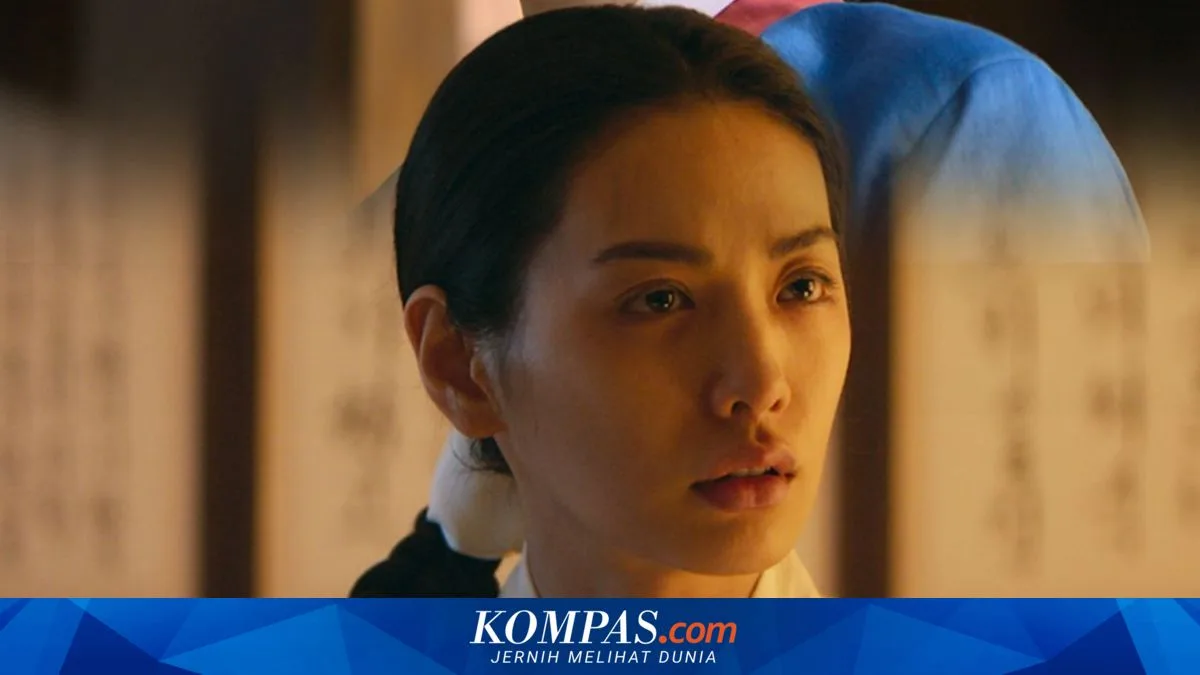
South Korean actress Nana, also known as Im Jin Ah, drew attention after her appearance in the Netflix series The Scandal was judged by some viewers as inconsistent with its Joseon-era setting. The sharpest criticism targeted the shape of her lips, which were deemed too modern and sparked accusations that she had undergone filler procedures.
Rather than defend herself, Nana chose to apologize. Through a fan chat platform, she expressed regret that her personal aesthetic choices had caused discomfort for others. According to her, the decision was not appropriate for an actor portraying a character in a collective work.
The statement hints at the double burden K-pop stars often carry when they move into acting: the demand to look flawless on camera, alongside the obligation to manage fan expectations. "If my lips made people feel uncomfortable, then that is my fault," she said, promising not to repeat anything similar in the future.
The criticism of Nana is not merely a matter of aesthetics. It touches a larger question: to what extent do viewers have the right to judge an actor's body as part of historical accuracy? In the K-drama industry, visual demands often collide with the reality that its stars live in the modern era and have a right to personal choices. This tension has surfaced repeatedly, from plastic surgery controversies to unwritten beauty standards.
Interestingly, Nana did not take a confrontational path. She chose to respond by acknowledging fault, a strategy industry observers consider effective at defusing escalation. Yet the move also raises a question: must actors always conform to viewer expectations, even when the criticism is subjective?
"I think the personal choice I made was not the right one for me as an actor. I regret it even more because it must have hurt the fans who love me." — Nana
For readers in Indonesia, this dynamic is not a distant phenomenon. The country's entertainment market faces similar pressure, especially for actors who come from music or social media. Appearance standards often become the measure, while room for personal expression narrows. Nana's case shows that in the global era, the line between work and public image is increasingly thin—and the consequences can be felt immediately on digital platforms.
From a business standpoint, incidents like this can affect investor perception of Korean entertainment projects. Big-budget series with big names are not automatically safe from criticism, especially if the narrative is seen as weak. When public attention is drawn to non-substantive issues, a production's selling value can suffer. Streaming platforms are also required to manage cross-country viewer expectations more carefully.
Going forward, the question is not only whether Nana will change her appearance, but how the Korean entertainment industry—and its fans—will address the boundary between constructive criticism and judgment of someone's body. If aesthetic standards continue to be the main benchmark, the room for actors to express themselves authentically could become increasingly limited.