UK Overhauls Curriculum: Vocational GCSEs for 14-Year-Olds Starting 2029
Baca dalam 60 detik
- Pemerintah Inggris akan memperkenalkan GCSE vokasional bagi siswa usia 14 tahun mulai 2029, dengan standar nasional yang diatur Ofqual.
- Target 200.000 pengalaman kerja bagi remaja bawah 16 tahun dicanangkan untuk menjembatani dunia pendidikan dan industri.
- Serikat pendidik dan oposisi menyoroti kebutuhan investasi serta kekhawatiran penurunan standar akademik.
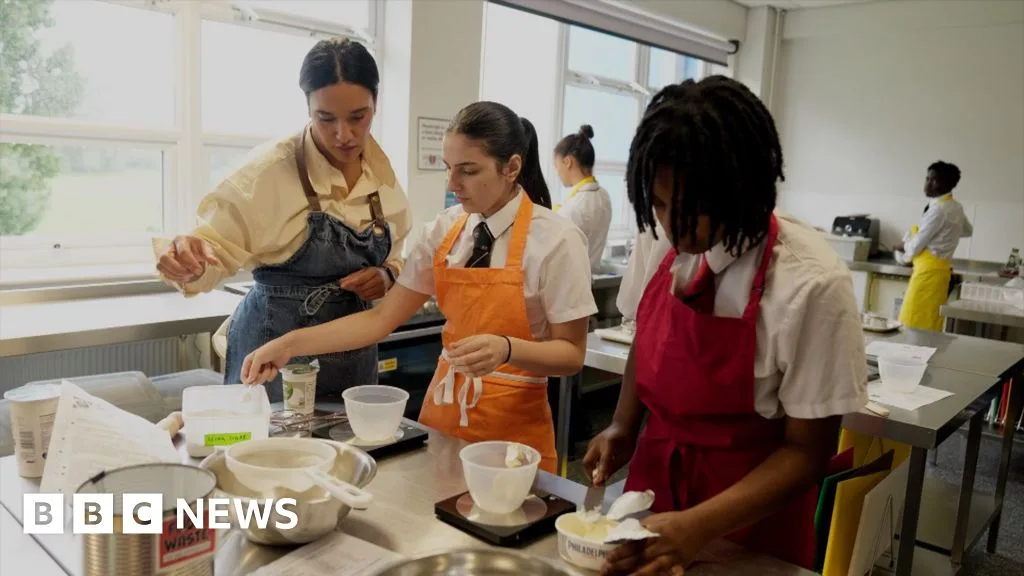
The UK government has announced an ambitious plan to introduce vocational GCSE qualifications for 14-year-old students starting in 2029. The policy aims to provide an alternative pathway for teenagers who want to develop practical skills early on, while also addressing the increasingly specific demands of the labor market.
The subjects offered include construction, business and finance management, and child development. Assessment standards will be set nationally by Ofqual, the qualifications regulator in England, to ensure credibility on par with academic GCSEs. These qualifications will later replace a number of existing vocational certifications, such as BTec tech awards, whose standards have so far been set by independent awarding bodies.
Prime Minister Andy Burnham is targeting the creation of 200,000 apprenticeship opportunities for teenagers under 16. The move is part of a major reform of an education system seen as too rigid and unresponsive to industry needs. "This is a change from a 'one size fits all' system," Burnham said, as quoted from official sources.
Education Secretary Lucy Powell added that vocational GCSEs will provide a "stronger connection" between students and future careers. She hopes this pathway can reduce the skills gap that has long been a major complaint among employers.
Although welcomed by some, the plan has drawn criticism. Teaching unions consider the idea positive but demand a clear implementation strategy. Daniel Kebede of the National Education Union stressed the need for "sustained investment and resources" for the new qualifications to succeed. Pepe Di'Iasio of the Association of School and College Leaders called the plan "well-intentioned" but said that without adequate staff and facilities, barriers for students will not disappear.
Further concerns come from the Conservative Party. Laura Trott, the Shadow Education Secretary, warned that the change risks "throwing away" the progress England has made in raising standards. She argued the new system could instead "push children from less well-off families onto an easier path", thereby lowering expectations for the group most in need of high standards.
"Schools will need specialist staff if courses and exams are to be genuinely rigorous, and it costs money to convert classrooms into practical facilities," said Martin Haworth, chief executive of Wright Robinson College, which already offers 10 vocational subjects.
On funding, an Institute for Fiscal Studies analysis shows per-student funding growing faster than expected, partly due to additional government funding and falling student numbers in some areas. However, economist Luke Sibieta highlighted a "big question mark" over the availability of teaching staff for technical and vocational subjects, given that vocational colleges alone are already struggling to recruit.
The Association of Colleges (AoC) suggests schools partner with those that have industry-standard facilities and qualified staff. David Hughes of the AoC said this collaboration would ensure learning is "authentically different from school and focused on work".
For Indonesia, this policy could serve as a mirror. Indonesia is pushing vocational education through SMK and link and match programs with industry. However, similar challenges loom: limited trained teachers, adequate practical facilities, and stigma against non-academic pathways. If the UK succeeds, the vocational GCSE model could inspire curriculum reform in the country, especially in preparing young people for a constantly changing job market.
Going forward, the big question is whether the UK government can provide sufficient resources and ensure a smooth transition without sacrificing quality. If not, rather than creating an equal pathway, the policy could instead widen the education gap.