Channing Tatum Denies Instagram Burner Account: 'So Funny'
Baca dalam 60 detik
- Channing Tatum membantah memiliki akun Instagram rahasia yang mengomentari kehidupan mantan tunangannya, Zoe Kravitz.
- Klarifikasi ini muncul setelah penggemar menemukan akun bernama 'Nonya Bidness' yang hanya diikuti oleh Tatum dan menulis komentar pedas tentang Zoe serta Harry Styles.
- Insiden ini menyoroti fenomena akun burner di kalangan selebritas dan bagaimana penggemar sering menghubungkan petunjuk digital dengan kehidupan pribadi idola.
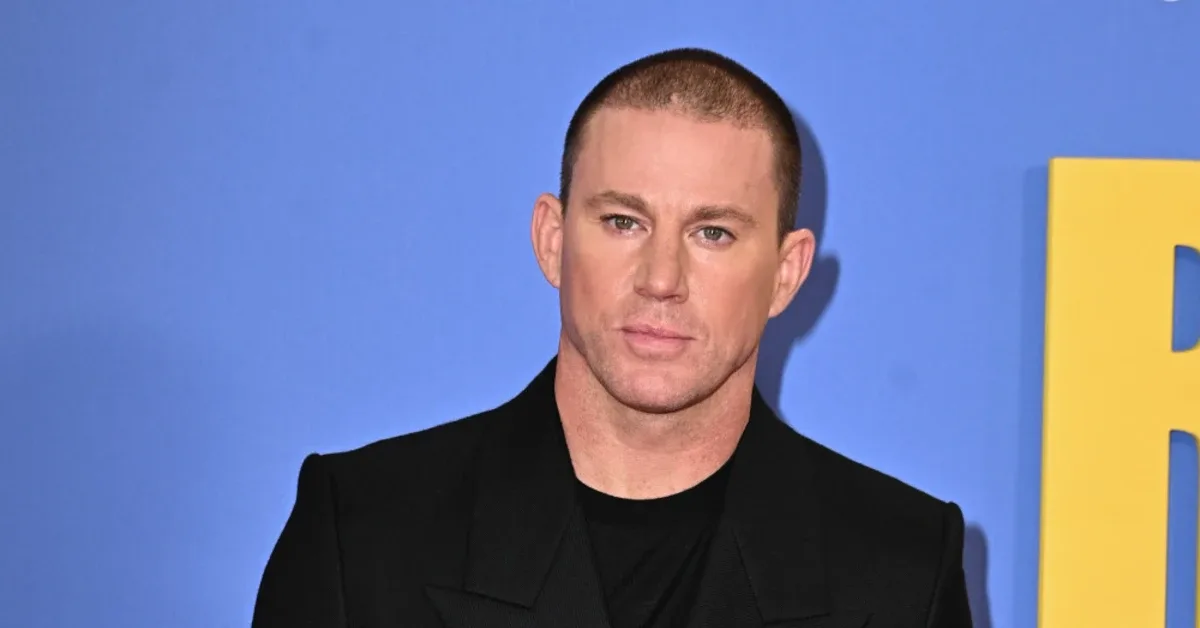
Hollywood actor Channing Tatum has finally spoken out about rumors claiming he has a secret Instagram account, or burner account. In a statement posted through his official Instagram account, the Magic Mike star called the speculation “very funny” and nonsensical.
The issue began last week when a number of fans on social media found an account named “Nonya Bidness” that was actively commenting on posts about Tatum's former fiancée, Zoe Kravitz, and her partner, Harry Styles. What sparked suspicion was the fact that the account had only one follower: Tatum's own Instagram account.
Responding to this, Tatum stressed that he has no other account besides @channingtatum. He even pointed out the logical oddity: if he really wanted to hide his identity, why would he follow that account from his main one? “I really can't believe you guys think this is what I do in my spare time. So funny,” he wrote in a text post.
The comments made by the “Nonya Bidness” account were indeed sharp in tone. In one post, the account wrote, “Only here for the hate.” Another comment alluded to the allegation that Tatum's ex-wife was trying to take his money, while Zoe was seen as too free to settle down. There was also a comment analyzing Tatum's statement about Zoe as “the most intentional person,” which was linked to a calculating nature.
Although Tatum has denied it, the burner account phenomenon is nothing new among celebrities. Several public figures have been caught having anonymous accounts to monitor or even interact with fans and critics. However, Tatum's case has drawn attention because the evidence was seen as too blatant: the account followed only one person, who happened to be the main suspect.
“I only have one IG account, @channingtatum,” Tatum stressed, adding that he would not follow a secret account if he really wanted to keep it secret.
For the Indonesian public, this case is not merely international celebrity gossip. It reflects how digital culture has blurred the line between privacy and public consumption. Fans in Indonesia who are active on social media often engage in similar analysis of local idols, from investigating finsta accounts to tracing digital footprints. This phenomenon also presents an ethical challenge: how far may fans dig into the private lives of celebrities?
On the other hand, for the entertainment industry, incidents like this can be a double-edged sword. On one side, it keeps a celebrity's name relevant amid content competition. On the other, too much personal drama can divert attention from professional work. Tatum himself is in the process of promoting several film projects, and attention diverted to rumors like this could hurt marketing strategy.
Going forward, will fans be more careful about accusing celebrities of having secret accounts? Or will the opposite happen, with more public figures using burner account tactics to monitor public conversation? What is clear is that Tatum's case shows that in an all-transparent social media landscape, maintaining privacy is becoming increasingly complicated—and a denial does not always stop speculation.