"Backrooms" Finally Streams on HBO Max: The Internet Horror Phenomenon That Shook Cinemas
Baca dalam 60 detik
- Film horor "Backrooms" karya Kane Parsons resmi tersedia untuk streaming di HBO Max setelah sukses besar di bioskop.
- Berangkat dari fenomena internet, film ini berhasil mengangkat konsep liminal space menjadi teror psikologis yang mencekam.
- Kesuksesan "Backrooms" menandai babak baru adaptasi konten viral ke layar lebar, membuka peluang bagi kreator digital Indonesia.
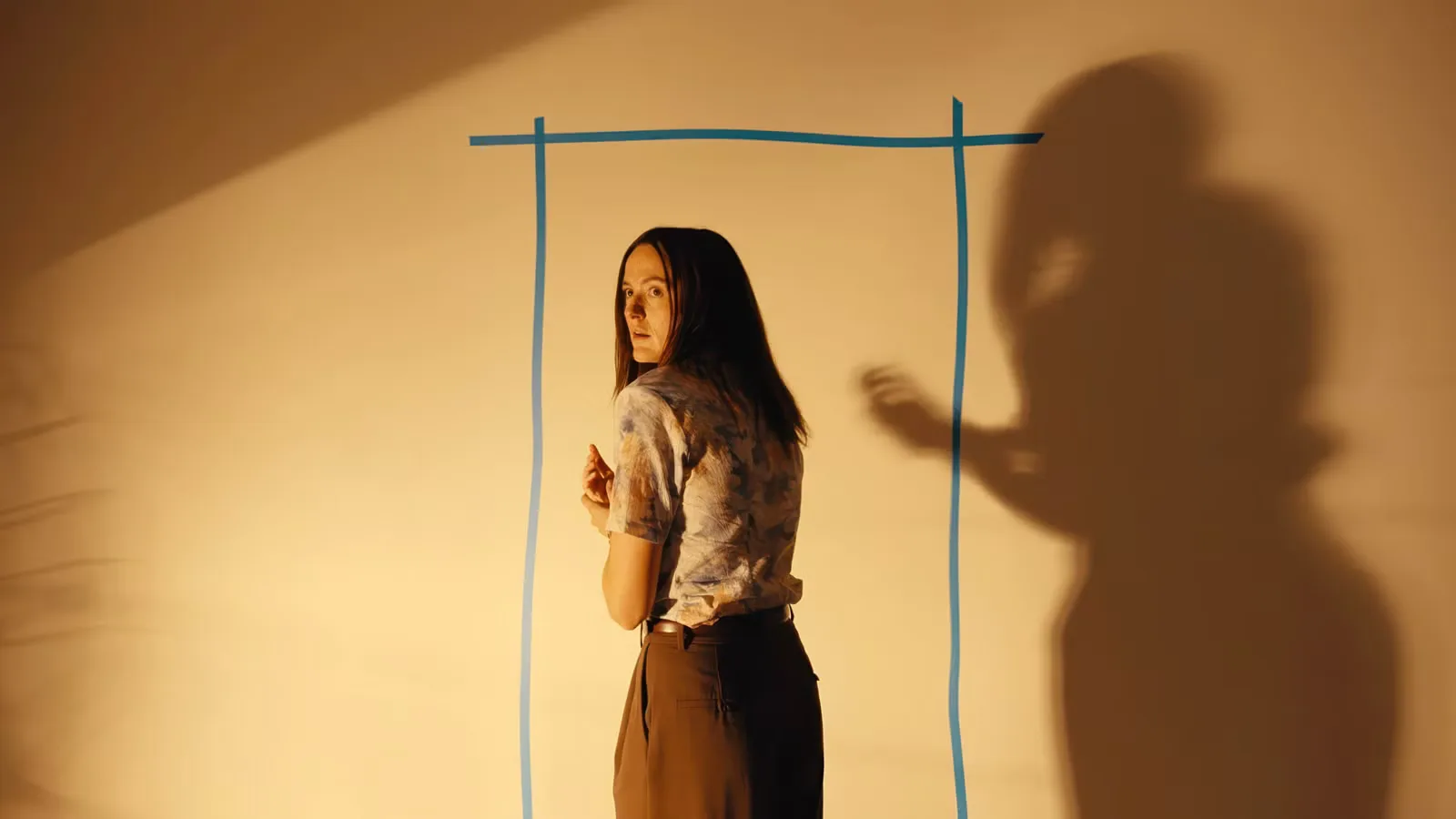
After rattling movie theaters, the horror film "Backrooms" by director Kane Parsons can finally be streamed on HBO Max starting 25 September 2026. Adapted from the viral web series "Kane Pixels", the film offers a different viewing experience: not just jumpscares, but psychological terror rooted in the strangeness of familiar spaces.
"Backrooms" follows Clark, a furniture store owner struggling with economic hardship. While exploring his store's basement, he finds a strange gap in the wall that leads him into an endless labyrinth of lifeless rooms. At first Clark sees it as a blessing, mapping it and even stealing furniture inside. But the deeper he goes, the clearer it becomes that the place is more than just an architectural oddity.
The film is drawn from an internet phenomenon that began with a single 4chan post in 2019 about "noclipping" out of reality. Parsons then developed it into a YouTube series with an analog horror aesthetic—blurry VHS texture, a fake documentary style, and a narrative of secret research in the 1990s. Parsons' success lies in his ability to turn ordinary things like office carpet, flickering neon lights, and empty corridors into sources of existential dread.
In the big-screen version, Parsons expands the mythology he built on YouTube without merely repeating it. He keeps some moments with the VHS texture that makes the film feel like found-footage, while also injecting a larger narrative. Instead of explaining things plainly, the film lets the mystery hang, giving viewers room to keep wondering.
"Backrooms" is proof that horror sourced from the internet can be translated into a classy cinematic work.
The success of "Backrooms" is inseparable from Parsons' understanding of the psychology of liminal space. Transitional spaces like corridors, lobbies, or empty stores are designed to be passed through, not inhabited. When someone is trapped there, the brain searches for context that does not exist, creating a deep unease. Parsons exploits this dissonance, combining limitless scale with suffocating isolation, without relying on monsters or cheap jumpscares.
For Indonesian viewers, the "Backrooms" phenomenon offers a valuable lesson. Viral content from local creators such as comedy sketches, horror stories, or short animations has great potential to be adapted to the big screen. The challenge, however, is preserving the original essence while expanding it into a complete narrative. "Backrooms" shows that a successful adaptation is one that respects its source but dares to take new artistic steps.
Beyond that, the film's success also signals that the global horror market remains wide open. With a large population of horror fans, Indonesia can be both a potential market and a source of stories. Several Indonesian horror films have broken into the international market, and "Backrooms" can be an inspiration for elevating local myths or digital phenomena into works with global reach.
Going forward, the question is whether "Backrooms" will mark the start of a similar wave of adaptations, or instead become a peak that is hard to match. What is clear is that the film has proven the boundary between the internet and cinema is growing thinner, and audiences are ready to welcome smarter, more imaginative terror.