Earl Spencer: Princess Diana Likely Had ADHD and Dyslexia, Not Bipolar Disorder
Baca dalam 60 detik
- Adik kandung Putri Diana, Earl Charles Spencer, meyakini mendiang kakaknya mengalami ADHD dan disleksia yang tidak terdiagnosis semasa hidup.
- Dalam buku barunya, Spencer mengaitkan pola hubungan Diana yang mudah memutus kontak dengan gejala ADHD, bukan gangguan kepribadian seperti yang sering dituduhkan publik.
- Pengakuan ini membuka diskusi lebih luas tentang kesehatan mental dan neurodiversitas, termasuk di Indonesia yang masih menghadapi stigma dan keterbatasan layanan.
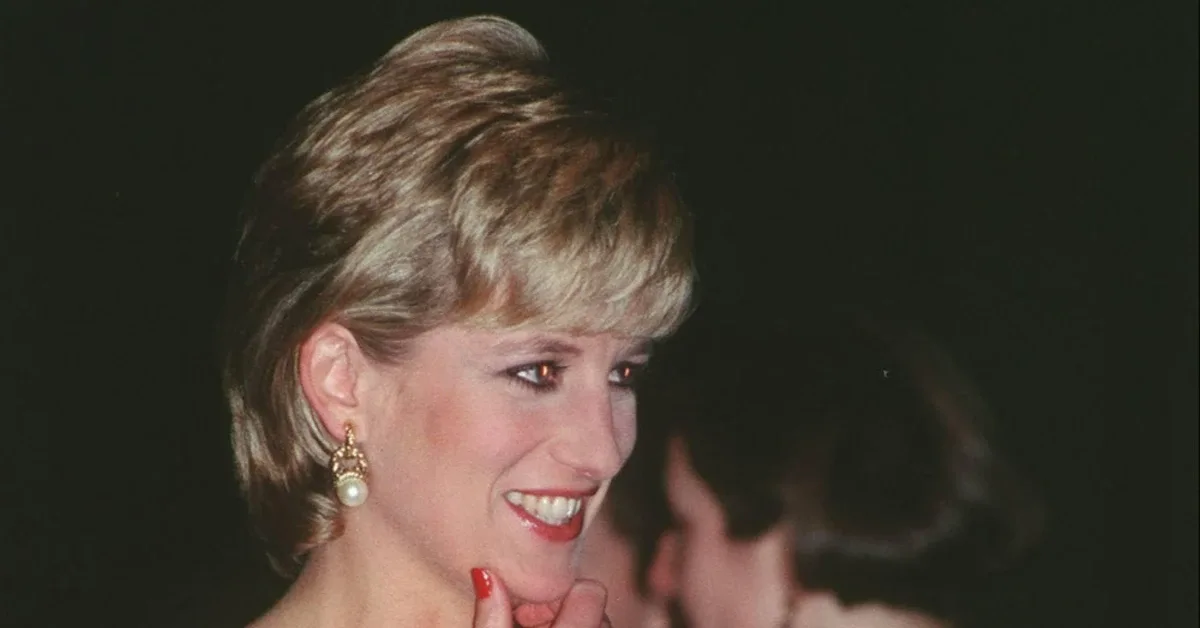
Earl Charles Spencer, Princess Diana's younger brother, has openly stated his belief that his late sister suffered from Attention Deficit Hyperactivity Disorder (ADHD) and dyslexia. This statement was made in an interview with People magazine ahead of the launch of his new book, Swan Song: Diana, My Sister, which explores the personal side of the princess from a family perspective.
According to Spencer, Diana, born in 1961, grew up in an English private school environment that did not yet understand the needs of children with neurodiverse conditions. "Diana struggled with spelling and putting words together," he said, describing indications of dyslexia. He also saw behavioral similarities between himself, who was recently diagnosed with ADHD as an adult, and his sister. "I know that's exactly what Diana experienced. Very similar," he asserted.
This statement also refutes public speculation that often labeled Diana as suffering from bipolar disorder or borderline personality disorder. Spencer considers these theories unfounded and overly stigmatizing. "People threw all sorts of theories around. I know it wasn't those disorders. I think it's more grounded: it was ADHD," he said. He emphasized that individuals with ADHD are highly sensitive to rejection, which explains why Diana could suddenly cut ties with those closest to her.
In the book, Spencer recounts how Diana often abruptly distanced herself from her inner circle. However, he asserts that this is not a form of criticism, but rather an acknowledgment that his sister struggled with an entirely undiagnosed condition. "If she felt betrayed by a friend, it became a huge issue and it was hard to come back from," he stated. He also highlighted the immense pressure Diana faced as a public figure, which led her to give too much of herself until she was exhausted. "When she was alone in Kensington Palace, she would often go to bed at 9 p.m. because she was completely spent. The next day she had to appear dazzling at public events. That didn't come without a cost," Spencer recalled.
This story is not merely royal nostalgia. In Indonesia, awareness of ADHD and dyslexia remains low. Data from the Ministry of Health indicates that neurodevelopmental disorders often go undetected due to a lack of experts and social stigma. Many children are labeled "naughty" or "lazy" when they are actually experiencing learning difficulties. Spencer's acknowledgment can serve as a mirror: even a figure as popular as Diana could miss a diagnosis, let alone ordinary people with limited access.
Furthermore, this narrative highlights the importance of understanding neurodiversity in the context of mental health. ADHD is not a character flaw but a neurological condition that requires support, not judgment. In Indonesia, clinical psychology and child psychiatrist services are still concentrated in major cities, while online counseling platforms are beginning to reach remote areas. However, public education remains key to reducing missed diagnoses.
"This is not a criticism. This is an acknowledgment that she struggled with an entirely undiagnosed condition," said Earl Spencer.
Moving forward, Diana's legacy may not only be about her humanitarianism and leadership style but also about how we understand mental health. Is Indonesian society ready to abandon negative labels and begin to view ADHD and dyslexia as part of neurological diversity that needs to be responded to with empathy and appropriate services?