Sylvester Stallone Warns: AI Will Dominate Humanity, Threatening Younger Generations with Loneliness
Baca dalam 60 detik
- Aktor legendaris Sylvester Stallone memprediksi dominasi AI atas manusia karena kemudahan teknologi membuat manusia lemah.
- Ia menyoroti kesepian sebagai penyakit terburuk dan munculnya 'hubungan cinta mekanis' yang akan memperparah isolasi sosial.
- Stallone menilai pekerjaan tradisional yang membangun ikatan tim kini tergerus otomatisasi, memicu krisis identitas pria.
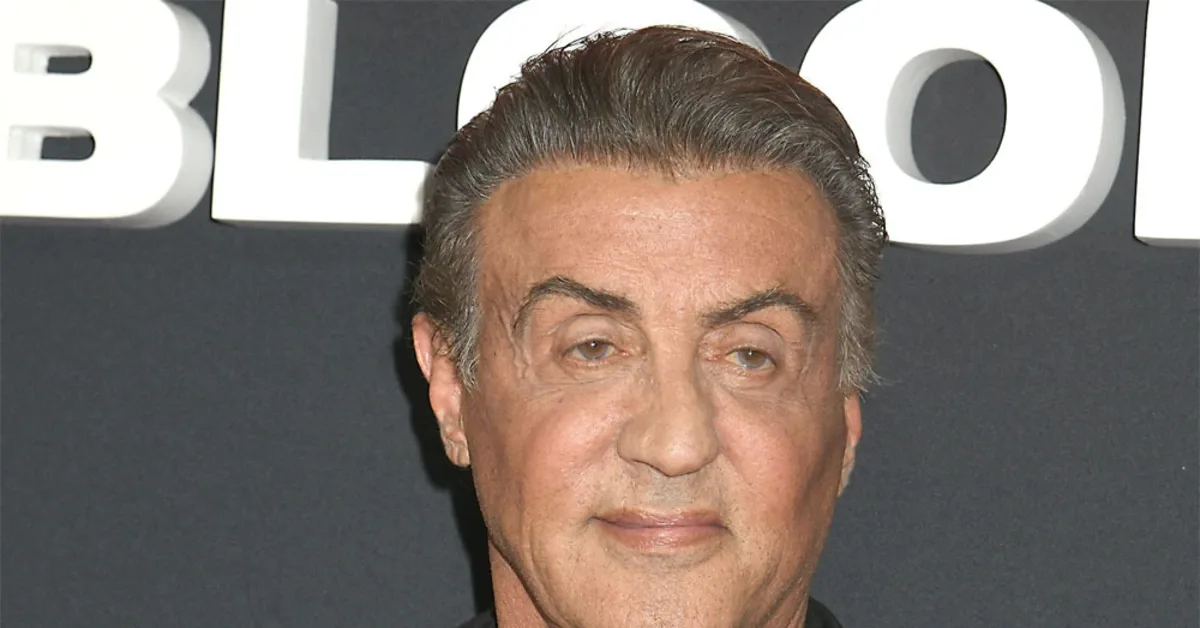
Hollywood veteran actor Sylvester Stallone, 80, projects that artificial intelligence (AI) will completely take over control of humans in the future. In an interview with the Sunday Times magazine, the star of Rocky and Tulsa King expressed deep concern about future generations, whom he believes are too dependent on technology.
Stallone did not hesitate to call the dystopian scenario an inevitability. "Yes, we will be completely taken over. Because when everything is made too easy, people become weak," he said. He gave concrete examples: driverless taxis and moving sidewalks that will cause the human body to atrophy. "Soon we won't have legs. We'll just be carried by machines," he added.
Furthermore, he highlighted the social impact of technological advancements, especially increasing loneliness. According to him, loneliness is the "worst disease" because it paralyzes everything. He predicted the emergence of "mechanical love relationships" with AI-created fantasy partners, which would further isolate humans. "This is heading to a place we don't even dare to think about. We used to be forced to read 1984. Now there's no need, because it's already happening," he said, referring to George Orwell's dystopian novel.
Stallone also highlighted the changing job landscape affecting male identity. He recalled a time when jobs like steelworker or soldier created a sense of camaraderie and team bonds. Now, with the entry of corporations and automation, many men are shifting to solitary jobs like truck driving. "Where's the team? You're alone now," he lamented. He believes technology makes men prefer playing video games in their basements over exercising to prove masculinity, and this situation will worsen ten thousandfold with AI.
"Every man has to do something to prove his masculinity. It used to be sports, but because of technology, they are alone in their basements playing video games. And that will be 10,000 times worse with AI," Stallone said.
Stallone's views are not merely a celebrity's musings. In Indonesia, the wave of automation and AI has already begun to transform the work landscape. Manufacturing, transportation, and service sectors are adopting technologies that reduce human interaction. For example, the presence of autonomous vehicles and AI-based customer service systems in several domestic startups. As a result, jobs that once fostered camaraderie and solidarity are slowly eroding.
Social psychologist from the University of Indonesia, Dr. Rina Mulyani, believes Stallone's concerns are relevant to phenomena occurring in major Indonesian cities. "Loneliness has indeed increased among young workers, especially after the pandemic and the adoption of remote work. AI could exacerbate this by replacing face-to-face interactions with superficial virtual ones," she explained. She added that men often lack strong social networks outside of work, so job loss or changes in work patterns can trigger an identity crisis.
Economist from the Institute for Development of Economics and Finance (Indef), Ahmad Fauzi, estimates that within the next five years, about 20% of jobs in Indonesia are at risk of being replaced by automation. "The most affected sectors are manufacturing, transportation, and retail. The government needs to prepare retraining programs and social safety nets so that the transition does not cause social unrest," he said. He emphasized that without intervention, social disparities and isolation could widen.
Nevertheless, not everyone is pessimistic. Some technologists view AI as a tool to increase productivity and create new jobs. However, Stallone warns that excessive reliance on technology can erode human ability to interact and care for their bodies. "When everything is easy, we lose resilience," he asserted.
Looking ahead, the big question is no longer whether AI will take over, but rather to what extent humans can maintain control over technology and human values. Will we be masters of machines, or vice versa? Time will tell, but preparations must begin now.