When Sony Stumbles, Xbox Has a Chance to Dominate the Next Console Generation
Baca dalam 60 detik
- Sony dikabarkan akan menghentikan produksi cakram fisik pada 2028, memaksa gamer beralih ke pembelian digital yang dinilai merugikan konsumen.
- Microsoft menawarkan fitur digitalisasi cakram dan kompatibilitas mundur, yang berpotensi membuat Project Helix lebih menarik di mata pemain.
- Sejarah menunjukkan kesalahan satu perusahaan konsol sering dimanfaatkan pesaingnya, dan kini giliran Sony yang berada di posisi rentan.
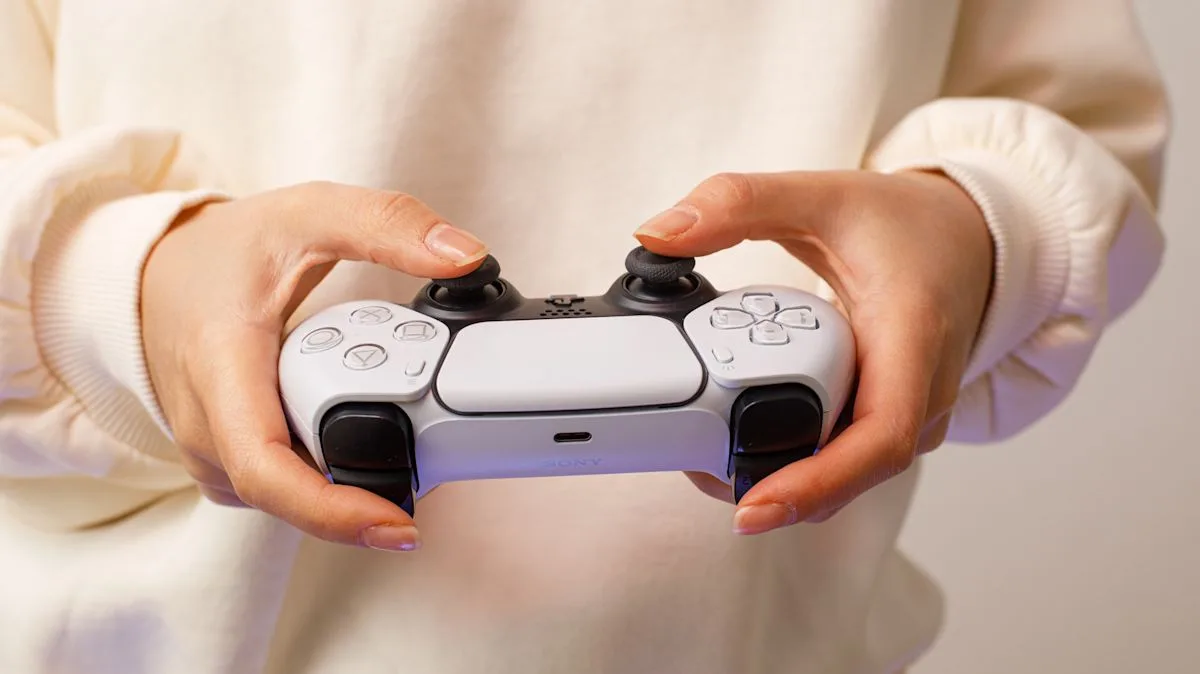
Sony's decision to cease physical disc production by 2028 could mark a turning point in the next-generation console war, offering Microsoft a golden opportunity to surpass PlayStation. This controversial move, announced recently, forces players to purchase games digitally via the PlayStation Store, sparking concerns about monopolies and the loss of ownership rights over purchased content.
While digital games are sometimes cheaper—such as the Switch 2 version, which has a price difference of up to 10 US dollars—many gamers view this as a threat. Without discs, players cannot resell or lend games, and Sony can remove purchased content at any time. In contrast, Microsoft recently introduced a disc digitization feature that allows players to convert physical games into a digital library, a move seen as positive for game preservation. If this feature is integrated into Project Helix along with backward compatibility, owners of the next-generation Xbox console could access their physical collections, adding to the new console's appeal.
Sony's problems don't stop at disc policies. In recent years, the Japanese company has aggressively pursued the live-service market, hoping to create games that can be monetized sustainably. However, this strategy has yielded only one success: Helldivers 2. Other efforts, such as Concord, failed completely, while Marathon reportedly did not meet expectations. Criticism has also emerged, as Sony is perceived to be more focused on imitating Fortnite rather than developing the single-player games that were its hallmark during the PlayStation 4 era.
On the other hand, Microsoft has also made mistakes, including the closure of several studios. However, many of Sony's studio closures are linked to the same live-service obsession. Furthermore, Hideo Kojima's game project, Physint, initially developed for PlayStation, has now moved to Xbox after being canceled. This represents a significant advantage for Microsoft, as Kojima's big name can attract fan attention.
The history of the console industry shows that one player's mistakes are often exploited by competitors. During the PlayStation 4 and Xbox One generation, Microsoft was hampered by Kinect, which drove the Xbox One's price up to 499 US dollars, while the PS4 sold for 399 US dollars. Sony garnered sympathy then. Now, the situation is reversed: Sony is making controversial decisions, while Microsoft offers more consumer-friendly solutions. Although there's no official confirmation regarding Project Helix's specifications, the policy direction of both companies seems clear.
For the Indonesian market, this dynamic could influence gamer preferences. PlayStation still dominates in the country, but Sony's disc policy might encourage some players to switch to Xbox, especially those who collect physical games. Additionally, the generally higher price of digital games and the inability to resell them could be a consideration. If Microsoft remains consistent with its preservation and backward compatibility strategy, Xbox has the potential to capture market share currently dominated by Sony.
Looking ahead, will Sony change course or stick to its stance? Meanwhile, Microsoft appears ready to capitalize on the momentum. The ninth-generation console war will only heat up in the coming years, but the winds of change are already palpable.