Meta Brings FDA-Certified Hearing Enhancement Feature to Smart Glasses, No Prescription Needed and Insurance-Claimable
Baca dalam 60 detik
- Meta resmi mengumumkan Hearing Enhancement untuk kacamata pintar AI-nya, menargetkan pengguna dengan gangguan pendengaran ringan hingga sedang, dengan biaya langganan Meta One atau sekali bayar $149.
- Fitur ini telah mendapat izin FDA dan memungkinkan penggantian biaya melalui HSA/FSA, serta dapat diaktifkan dengan perintah suara tanpa perlu resep dokter.
- Langkah ini menandai masuknya raksasa teknologi ke pasar alat bantu dengar, berpotensi mengubah lanskap industri kesehatan pendengaran global dan menimbulkan pertanyaan regulasi di Indonesia.
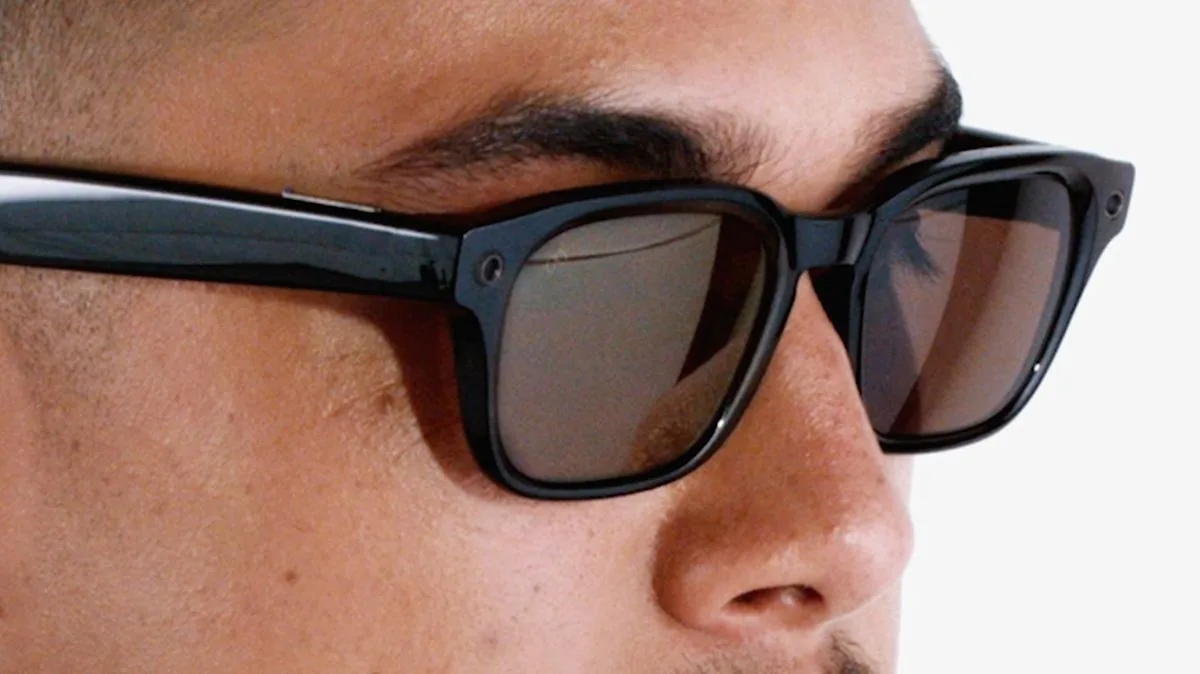
Meta has officially introduced its Hearing Enhancement feature on its artificial intelligence-based smart glasses, a breakthrough aimed at users with mild to moderate hearing loss. The announcement was made at Meta Connect, and the feature will be available on certain Meta glasses models later this year—though the initial phase will not include the Ray-Ban variants. Users can access it through a Meta One subscription or a one-time payment of $149, with a free 30-day trial option.
What sets this feature apart from conventional hearing aids is its status as cleared by the United States Food and Drug Administration (FDA). This means the software meets safety and effectiveness standards as a hearing aid. Meta also states that the purchase cost can be reimbursed through HSA/FSA accounts—though the process still needs to be confirmed with each user's insurance provider. No doctor's prescription is required, and users can adjust the settings themselves at home.
The feature complements the existing Conversation Focus mode, which clarifies voices in noisy environments. However, Hearing Enhancement is specifically designed for the medical needs of those who typically use hearing aids. Meta also includes improvements to the Detailed Responses feature—developed based on feedback from the blind and low vision community—as well as adjustable audio controls.
“We want to deliver a solution that is not only technologically advanced but also inclusive for people with hearing loss,” said a Meta representative during the announcement session, as quoted from industry sources.
Meta's move is not merely a product innovation but a signal of a major shift in the hearing health industry. For decades, the hearing aid market has been dominated by traditional players such as Oticon, Phonak, and Starkey, with prices that are often expensive and access limited. The presence of tech giants like Meta has the potential to lower prices, broaden adoption, and drive the integration of medical devices into everyday lifestyles. The FDA itself has paved the way for over-the-counter hearing aids since 2022, and Meta's move accelerates that trend.
For Indonesia, this development offers both opportunities and challenges. On one hand, people with hearing loss—estimated to number in the millions—can gain access to more affordable and easier-to-use technology. However, to date there is no specific regulation governing software-based hearing aids like this. The Ministry of Health and BPOM need to reconsider the certification framework, especially since this device combines medical functions with consumer electronics. In addition, the readiness of digital infrastructure and user data protection become crucial issues, given that the device connects to the internet and collects audio data.
On the business side, Meta is not alone. Apple is reported to be developing a similar feature for AirPods, while Google and Samsung also hold related patents. Competition in the hearables segment—wearable audio devices with health functions—is predicted to heat up over the next two to three years. For consumers, this means more choices, but also confusion in choosing the right device. Regulatory clarity and market education will be key.
Looking ahead, the big question: will Meta and other tech players replace conventional hearing aids, or instead create a new complementary category? And how will developing countries like Indonesia respond to the arrival of these consumer medical devices without compromising user safety? The answer will depend on the response of regulators and the readiness of the digital health ecosystem.