Charles Spencer Memoir Shakes Palace: King Charles Accused of Being 'Elated' After Diana's Death
Baca dalam 60 detik
- Charles Spencer mengklaim Raja Charles terdengar 'girang seperti pemenang lotre' saat meneleponnya setelah kematian Putri Diana pada 31 Agustus 1997.
- Memoar 'Swan Song: Diana, My Sister' juga mengungkap dugaan pernyataan kasar Charles tentang berat badan Diana dan upayanya membatalkan pertunangan.
- Istana Buckingham merilis pernyataan langka yang menyebut kesedihan dapat 'mengaburkan ingatan', sementara buku ini akan terbit 22 September.
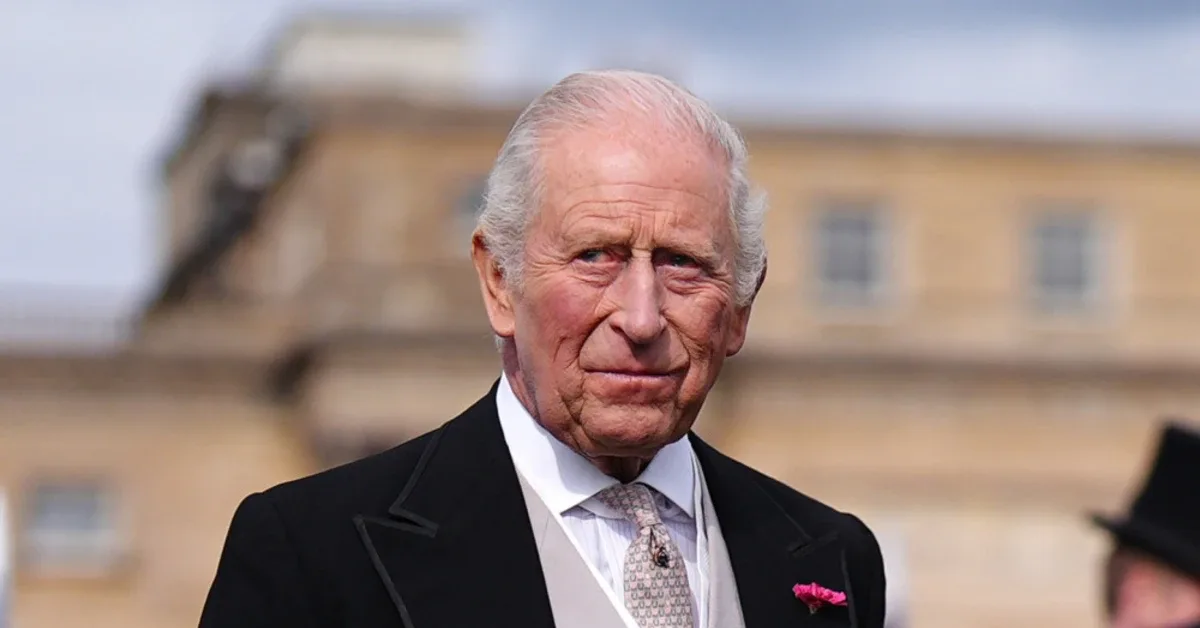
The brother of the late Princess Diana, Charles Spencer, has leveled shocking accusations against King Charles in his memoir due to be published on September 22. In the book titled Swan Song: Diana, My Sister, the 9th Earl Spencer claims that King Charles—then still Prince of Wales—sounded "elated like a lottery winner" when he called him shortly after Diana died in a car crash in the Pont de l'Alma tunnel in Paris on August 31, 1997.
The tragic crash also killed Diana's lover, film producer Dodi Fayed (42), and their driver, Henri Paul (41). According to Spencer, his phone "rang off the hook" after the incident. But he judged the call from Charles—now 77—as different from other mourners who were shocked and struggled to speak. Spencer writes that Charles delivered the news of the death in a "very flat" tone and told him he had broken the news to Prince William and Prince Harry in their rooms at Balmoral that morning.
In an excerpt from the book published by Daily Mail, Spencer suggests that Charles's reaction at the time was driven more by the thought that the event freed him to marry Camilla Parker Bowles—now Queen Camilla—than by a sense of loss. "It is hard to sympathize too deeply with an ex-spouse, or those who care greatly for her, after a bitter divorce," he writes.
The memoir also reveals a number of other controversial claims. Spencer says that before Diana and Charles's wedding at St. Paul's Cathedral on July 29, 1981, Diana was told by a close friend that Charles "was very happy to be marrying her, but did not really love her." The information was described as a "devastating blow" that convinced Diana that Charles entered the marriage with his heart set on someone else. According to Spencer, Diana tried to cancel the engagement after discovering a bracelet Charles had bought for Camilla, but her father, John Spencer, the 8th Earl Spencer, rejected the idea because he considered it impossible to back out of such a major commitment.
Another no less painful claim: a few days after the engagement was announced on February 24, 1981, Charles allegedly squeezed Diana's waist and said, "Oh, a bit chubby here, isn't it?" Spencer states that Diana was then struggling with an eating disorder, and her waist measurement shrank from 29 inches to 23.5 inches between the engagement and the wedding. Spencer also believes Diana had ADHD and Rejection Sensitive Dysphoria, like himself.
"I suspect the prince's first reaction was to think about how this event could free him to marry the woman he loved, not to feel the loss of someone he did not love." — Charles Spencer in his memoir.
The book also highlights the moment before Diana's funeral on September 6, 1997. Spencer claims that the palace debated who should walk behind the coffin. Charles was said to have "insisted" on taking part, but the funeral organizers worried the public would jeer at him if he walked alone. In the end, they concluded that persuading Spencer and Diana's two sons—William (15) and Harry (12)—to walk with him "would guarantee that no insults were hurled."
A day before those accusations, Spencer also claimed that a few days after Diana's death, Charles hissed, "Don't worry, we'll soon forget about her!" According to Spencer, he and Charles got into a shouting match while discussing whether William and Harry should take part in the funeral procession. After Charles mentioned that he had walked at Lord Mountbatten's funeral in 1979, Spencer pointed out that Charles was 30 at the time, and his claim made the prince "furious."
Responding to these accusations, a spokesperson for King Charles issued a rare statement: "Although we do not comment on books as a matter of principle, His Majesty is aware that the pain of losing a sibling can cloud reason, affect judgment, and color memories in ways others do not recognize, even years after the loss."
For the Indonesian public, this story is not merely palace drama. The phenomenon of a memoir revealing the dark side of the royal family shows how historical narratives can be reshaped by those in the inner circle. In the social media era, where any claim can go viral within hours, news consumers are required to be more critical: what is fact, what is personal interpretation? Moreover, the book will be released right before the year-end holiday season, when global attention begins to shift to other issues. Will Spencer's accusations permanently shake the British monarchy, or will they become merely a footnote in the long history of the House of Windsor?