Ed Sheeran and Macklemore Donation Controversy: Robert Kraft Claims Asked to Match Rp32 Billion
Baca dalam 60 detik
- Robert Kraft mengklaim Ed Sheeran memintanya menyamai donasi $2 juta untuk bantuan kemanusiaan sebelum Macklemore menantangnya dengan $1 juta.
- Macklemore mengumumkan akan menyumbangkan seluruh pendapatan bersihnya dari tur Loop senilai $1 juta ke enam organisasi pro-Palestina.
- Ketegangan ini memicu perdebatan tentang batas antara advokasi politik dan komersialisme di industri hiburan global.
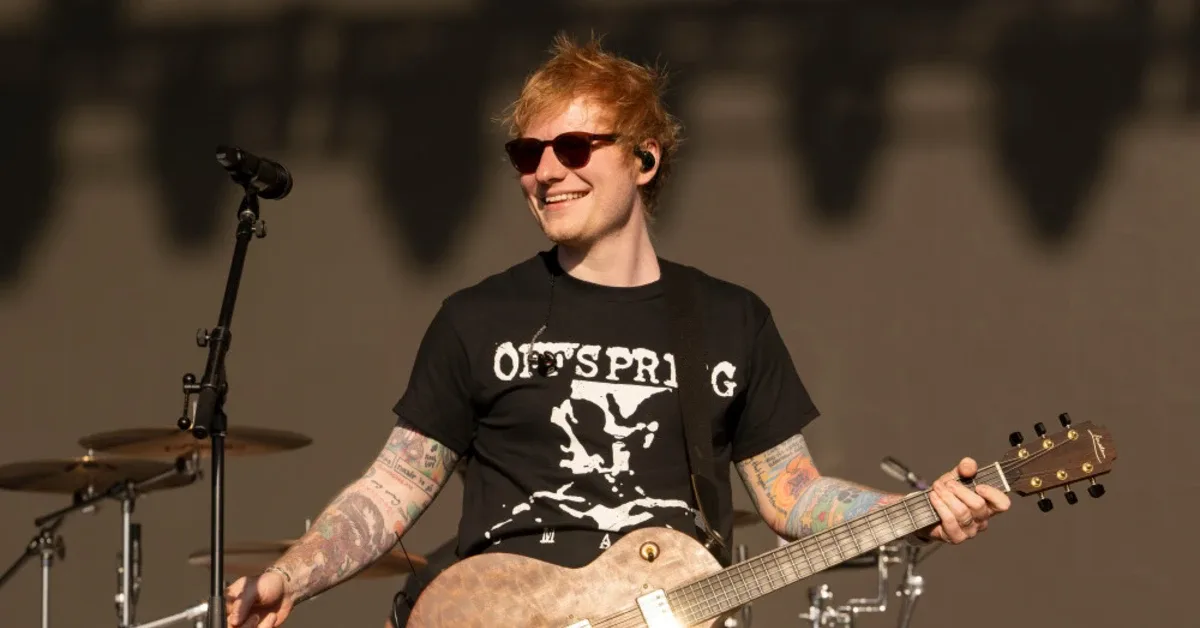
New England Patriots owner Robert Kraft revealed that singer Ed Sheeran contacted him personally to request a $2 million donation commitment to help the humanitarian crisis in Gaza. According to Kraft, that request came shortly before rapper Macklemore publicly challenged him to match a $1 million donation to be channeled to the Palestinian people.
In a statement shared via social media on Wednesday (16/9), Kraft—who was previously reported to have blocked Macklemore's performance at Gillette Stadium—stressed that he had long sought to bridge relations between Palestine and Israel. He said Sheeran planned to contact other venue owners to expand the donation movement. "I believe all lives are precious," Kraft said in his statement.
The controversy began when Macklemore, a supporting artist on Ed Sheeran's Loop tour, delivered a pro-Palestinian speech on stage at MetLife Stadium, New Jersey, on September 4. He called for "Free Palestine" in front of the audience, which then triggered a wave of reactions. As a result, Macklemore was removed from the tour, and several other supporting artists withdrew in solidarity.
Macklemore later announced via Instagram that he would donate all his net earnings from the tour, which reached $1 million, to six organizations working directly to support the Palestinian people. He also openly invited Kraft to match his donation. "I invite Robert Kraft to match my donation. Whatever our differences, perhaps we can agree: Palestinian lives are worth protecting," he wrote.
This incident highlights the complexity between freedom of expression and business interests in the entertainment industry. Macklemore's move to sacrifice his earnings for his political principles drew praise from some quarters, but also sparked criticism from those who viewed it as politicizing the entertainment stage. Meanwhile, Kraft's position as owner of an NFL team and major venues shows how public pressure can influence business decisions.
"I have dedicated most of my life to building bridges between all people. I strongly believe that all lives deserve protection," Robert Kraft said in his statement.
For Indonesia, this dynamic is a mirror of how global issues can seep into the creative industry and trigger chain reactions. Although the Palestinian-Israeli conflict is not a domestic issue, music industry players and event organizers in Indonesia need to realize that the political stance of international artists can affect audience sentiment and commercial value. In addition, this phenomenon confirms that donations and philanthropy are now part of public diplomacy that is inseparable from the public image of figures.
Going forward, will this wave of solidarity encourage more entertainment figures to engage in humanitarian advocacy? Or will it instead widen polarization among fans and stakeholders? What is clear is that the boundary between the entertainment stage and the political arena is increasingly blurred, and the players within it must be prepared to face the consequences.