FIFA Merges September-October Break, European Leagues Must Work Around 3 Empty Weeks
Baca dalam 60 detik
- FIFA resmi menyatukan jendela internasional September dan Oktober menjadi satu periode panjang hampir tiga pekan, mengubah total ritme kompetisi domestik di Eropa.
- Kebijakan ini memangkas perjalanan pemain lintas benua, tetapi memaksa klub-klub besar kehilangan pemain kunci lebih lama dan mengatur ulang program latihan serta uji coba.
- Bagi sepak bola Asia, termasuk Indonesia, kalender anyar ini membuka peluang sekaligus tantangan dalam menyusun agenda Timnas dan kompetisi domestik.
FIFA has decided to merge the two international match windows in September and October into a single long block lasting nearly three weeks, a major change that will take effect in the 2026/27 calendar and directly affect top European leagues. The decision was made at the 2025 FIFA Council meeting and completely alters the rhythm of domestic competitions that for decades had operated with two separate breaks.
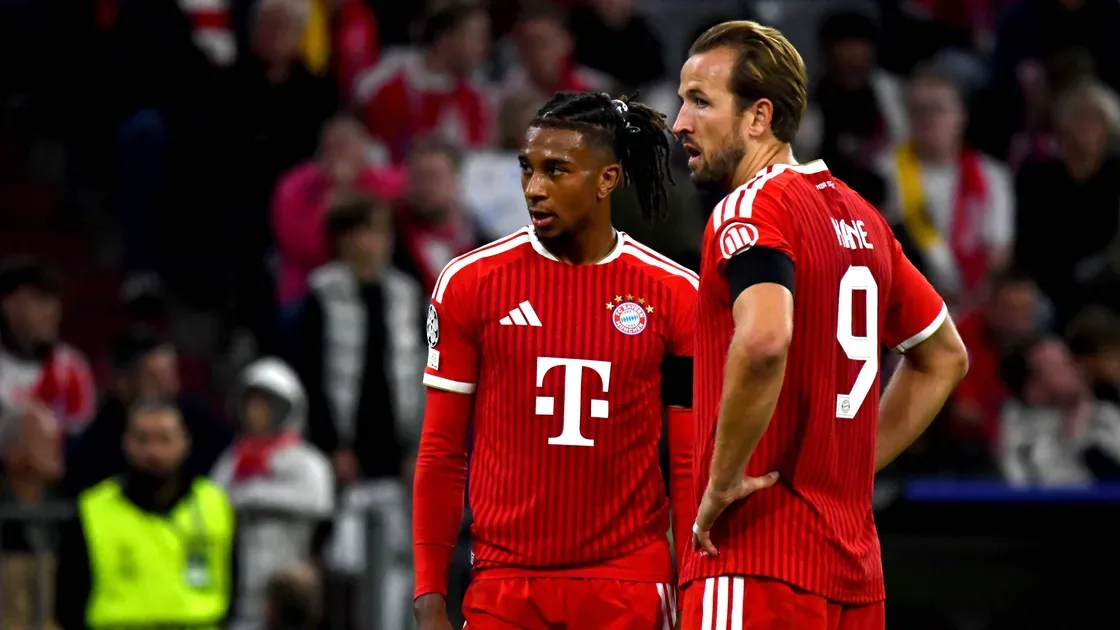
Previously, every September and October European leagues such as the Bundesliga, Premier League, and La Liga had to pause for two weeks so players could represent their countries. Now, those breaks have been combined into a single longer period, meaning clubs lose players for longer, but on the other hand players' international travel is significantly reduced. For example, Bayern Munich forward Luis Díaz only needs to cross the Atlantic once to play for Colombia in a friendly in the United States, not twice as before.
Although the break is longer, the number of matches national teams are allowed to play during the year remains ten. As a result, many countries will play four matches in one block instead of two. This opens room for Harry Kane to add to his collection of 85 goals for England and strengthen his chances of winning the Ballon d'Or, especially since England will face Spain, Croatia, and Czechia twice each in the UEFA Nations League.
Attention is also focused on Germany, where Jürgen Klopp will lead the national team for the first time. The former coach of Borussia Dortmund, Mainz, and Liverpool will take a squad filled with many Bundesliga talents into the Nations League against the Netherlands, Greece (home and away), and Serbia. Klopp's debut is a draw in itself for German and international football fans.
"The decision to merge the September and October windows is a step forward in reducing players' travel burden, but clubs must adapt to losing players for longer," said a European football analyst, as quoted from a Bundesliga panel discussion.
For clubs in domestic leagues, this long break demands more careful squad management. Coaches must design individual training programs for players not called up, while players returning from national teams risk fatigue from four matches in a short period. The Bundesliga and Bundesliga 2, for example, had to clear one full weekend in September and another in October, but now the two are merged into one longer empty period.
From Indonesia's perspective, this FIFA calendar change also affects the Garuda national team and the domestic competition. PSSI and the Liga 1 operator need to adjust schedules so they do not clash with international agendas, especially if Indonesia is involved in Asian Cup or World Cup qualifiers. The long break can be used for training camps, but it also risks disrupting competition momentum. Liga 1 clubs with national team players must be prepared to lose them for longer, while players playing abroad will face the same packed schedule.
Going forward, this combined break format will be tested in 2026/27. If it succeeds in reducing travel burden without sacrificing competition quality, FIFA may keep it permanently. However, if big clubs feel disadvantaged by losing players for too long, pressure to review the policy could emerge. Clearly, global football is entering a new phase in calendar management, and all parties—from federations and clubs to players—must adapt.