Macklemore Dropped from Ed Sheeran Tour as Musicians Walk Out in Boycott
Baca dalam 60 detik
- Macklemore dicoret dari Loop Tour Ed Sheeran setelah menyuarakan dukungan untuk Palestina di atas panggung.
- Finneas, Lukas Graham, Aaron Rowe, dan Beoga mundur dari tur sebagai bentuk solidaritas terhadap kebebasan berekspresi.
- Kontroversi ini menyoroti tarik-menarik antara kebebasan artistik dan tekanan politik di industri hiburan global.
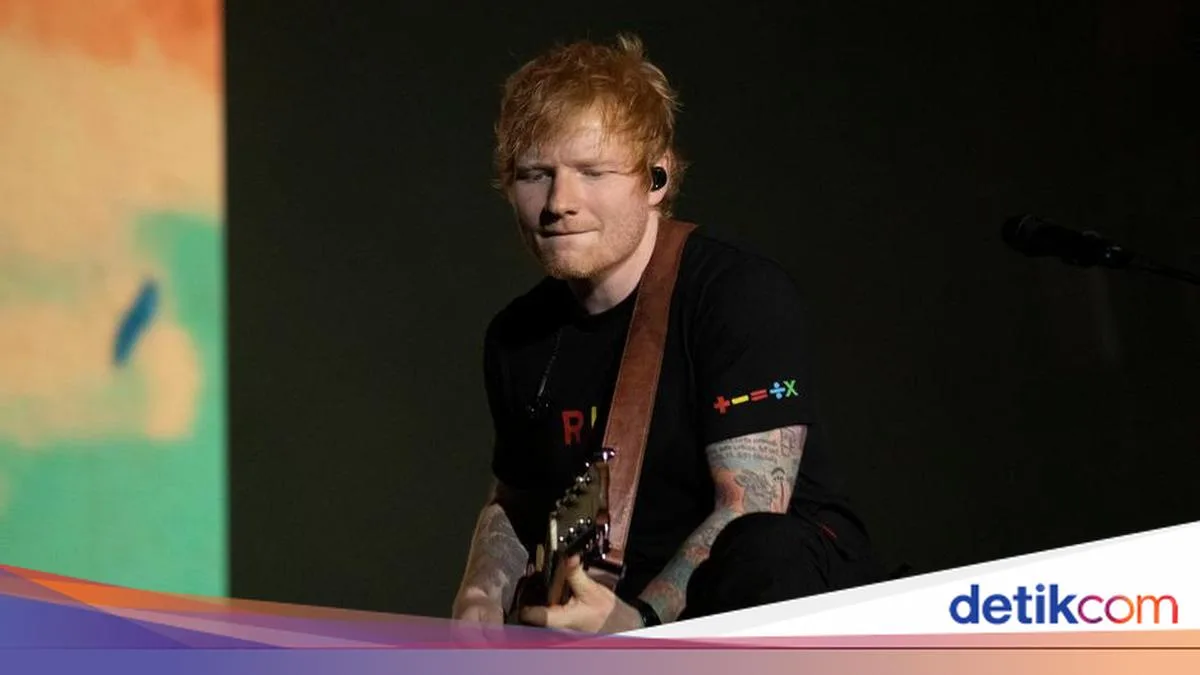
Ed Sheeran's Loop Tour concerts across the United States were thrown into turmoil after rapper Macklemore was removed from the lineup, triggering a wave of resignations from several supporting musicians. The decision, announced in mid-September, not only shook the music stage but also dragged in the name of billionaire Robert Kraft and sharpened the debate over freedom of expression in the entertainment industry.
Macklemore, known for speaking out vocally on humanitarian issues, said he was cut from the tour after shouting "Free Palestine!" while performing the song Hind's Hall at MetLife Stadium, New Jersey, on 5 September. The song tells the story of Hind Rajab, a five-year-old Palestinian girl killed in the 2024 Gaza conflict. The act of solidarity had far-reaching consequences: several venues in the United States refused to host him, and Gillette Stadium owner Robert Kraft was said to be behind the pressure.
Kraft, who also owns the NFL team the New England Patriots, argued that the cancellation of Macklemore's performance was based on comments deemed antisemitic and a history of statements offensive to the Jewish community. However, Macklemore denied the accusation and stressed that criticism of Israel's policy is not an attack on Jewish people. "To all of my Jewish brothers and sisters, criticism of Israel, criticism of apartheid, and opposition to genocide is not criticism of you at all," he said on stage.
Ed Sheeran, the British singer who is the tour's headliner, sought to distance himself from the controversy. He stressed that the decision to remove Macklemore came purely from the promoter, not from him. "I would never let down fans who have made plans, nor abandon the concert crew and other supporting musicians who depend on me for work and a living," he wrote in an official statement. Sheeran also chose not to take sides in the Israel-Palestine conflict, citing a desire to keep diplomacy and room for dialogue open.
The resignations of the supporting musicians drew their own attention. Finneas, Billie Eilish's brother, said via Instagram that "artists should not be silenced when they speak up to defend the oppressed." Lukas Graham from Denmark called the decision difficult but stressed that "money does not give someone the right to control the conversation." Meanwhile Aaron Rowe and the group Beoga, from Ireland, linked their solidarity to the historical experience of the Irish people, who endured colonialism and famine.
"We are Irish people who understand colonialism. We are a traditional Irish band who never imagined we would play a stadium that big, and we are not ignoring how big that opportunity is," Beoga wrote.
This controversy is not merely a ripple on the entertainment stage. For the global music industry, the Macklemore case sets a precedent for how far artists can voice political views without losing the stage. Pressure from venue owners and promoters shows that artistic freedom often collides with business and political interests. On the other hand, the solidarity of the musicians who quit shows that collective stance can be a force for pressure.
For readers in Indonesia, this event offers a mirror on the dynamics of freedom of expression in public space. Although the political context differs, similar issues often arise when artists or public figures voice views deemed controversial. Indonesia's entertainment industry, increasingly connected to the global market, also needs to watch how international pressure can affect tour schedules, sponsorship deals, and artists' images. Investors in the creative economy sector should also factor in the reputational risk that comes with involvement in geopolitical issues.
Going forward, the Loop Tour will still roll through several cities, but with a changed lineup. Will the promoter look for replacements aligned with a certain political line, or instead open space for more neutral artists? What is clear is that this case confirms the music stage is no longer a space sterile from politics. The public will keep watching whether Ed Sheeran can maintain his position as a mediator, or instead be dragged deeper into a vortex of controversy he did not choose.