Roger Waters Attacks Ed Sheeran, Loop Tour Heats Up After Macklemore Dropped
Baca dalam 60 detik
- Roger Waters melontarkan kritik pedas kepada Ed Sheeran setelah Macklemore dikeluarkan dari tur Loop karena menyuarakan dukungan untuk Palestina.
- Sejumlah musisi pendukung lain seperti Finneas, Lukas Graham, dan Aaron Rowe turut mundur, memicu spekulasi boikot terhadap penyelenggara konser.
- Kontroversi ini menyoroti tekanan politik dan komersial di industri musik global, dengan implikasi pada kebebasan berekspresi dan potensi dampak di pasar musik Indonesia.
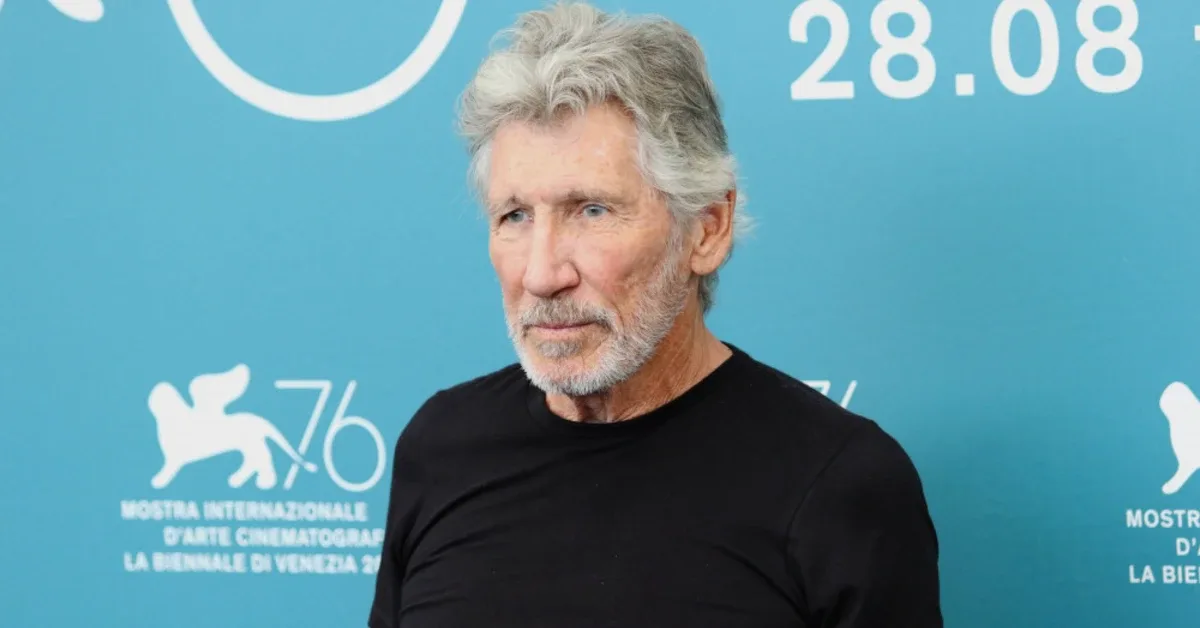
Roger Waters, the Pink Floyd icon, openly attacked Ed Sheeran after rapper Macklemore was removed from the Loop tour. The attack came as a reaction to the decision by Sheeran's team, which was seen as failing to stand with humanitarian solidarity.
Macklemore, who had previously performed as an opening act at MetLife Stadium, New Jersey, expressed support for Palestine on stage. Not long after, he announced that he had been removed from the lineup. Sheeran then issued a statement stressing that the decision was the promoter's authority, and that he chose not to use his professional stage as a political tool in order to keep all fans feeling safe.
Waters responded through a clip titled "Ed Who?" containing sharp criticism. He said there are two types of people: those who do the right thing, like Macklemore, and those who do the wrong thing. Waters closed his message with the words "goodbye," implying deep disappointment.
This controversy is not merely an interpersonal dispute. The decision to remove Macklemore triggered a chain reaction: a number of other supporting musicians chose to withdraw from the tour. Finneas, Lukas Graham, Aaron Rowe, and Sheeran's backing band, Beoga, said they would not perform for the rest of the schedule. The move showed solidarity among the artists, while also signaling that political and humanitarian issues are increasingly difficult to separate from the entertainment industry.
"I don't blame Ed. This is the promoter's decision. But I want us not to forget the real victims, namely the Palestinian people," Macklemore wrote in a statement on Instagram.
Macklemore also revealed that Robert Kraft, owner of Gillette Stadium, played a major role in the decision. According to Macklemore, Kraft threatened to ban Sheeran from performing at his stadium if Macklemore stayed on the tour. That ultimatum, Macklemore said, put Sheeran in a difficult position. He stressed that he did not want to attack Sheeran's character, but he felt he needed to expose the pressure happening behind the scenes.
For Indonesia, this event is a mirror of how global issues can affect the creative industry. Although there is no direct tour date in Indonesia, the resonance of this controversy could influence fans' perceptions of international artists performing in the country. Domestic concert organizers need to pay close attention to dynamics like this, especially if they want to bring in musicians who are vocal on political issues. On the other hand, Indonesian music fans who are critical of humanitarian issues may demand transparency from promoters about the policies they adopt.
The global music industry is being tested: will the entertainment stage remain neutral, or will it become an arena for political debate? Going forward, pressure from venue owners and sponsors could increasingly determine who is allowed to speak out. Meanwhile, solidarity among artists such as that shown by Finneas and Lukas Graham could become a new precedent for responding to commercial intervention. Will this wave of withdrawals by supporting acts force promoters to review their decisions, or will it instead sharpen the line between business and politics?