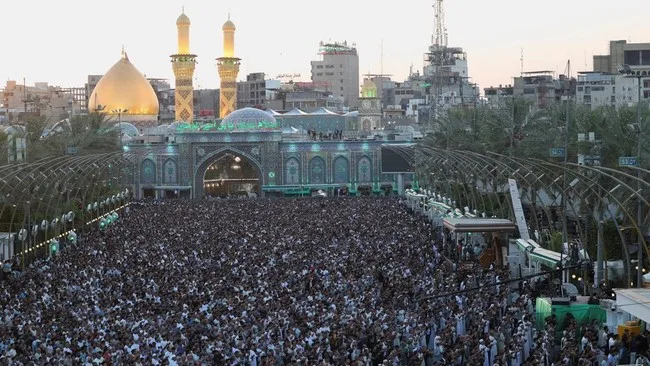
Houthi Drone Intercepted Over Makkah: A New Alarm for Indonesian Umrah Pilgrims
Baca dalam 60 detik
- Pertahanan udara Arab Saudi menembak jatuh pesawat nirawak yang diduga diluncurkan milisi Houthi sebelum menembus zona terlarang di Makkah.
- Insiden ini menandai kali kedua Makkah menjadi sasaran serangan jarak jauh setelah rudal balistik 2017, memicu kekhawatiran baru atas keamanan kawasan suci.
- Bagi Indonesia sebagai pengirim jemaah umrah terbesar, eskalasi ini berpotensi mengubah prosedur perjalanan ibadah dan lanskap asuransi perjalanan.
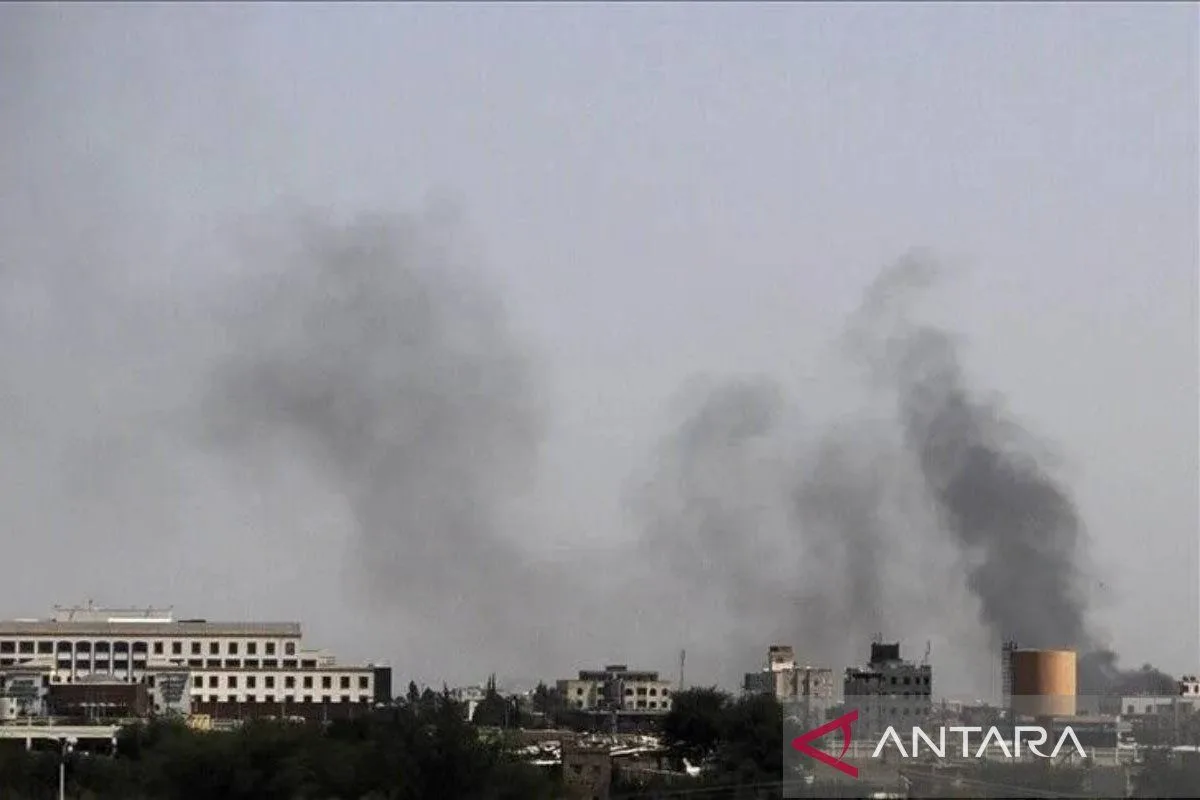
The air defense of the Kingdom of Saudi Arabia shot down an unmanned aircraft that attempted to enter restricted airspace over Makkah on Tuesday night, 15 September 2026, at around 18.50 local time. The spokesman for the Coalition for the Restoration of Legitimacy in Yemen, Major General Turki Al-Malki, said the drone was launched by the Houthi militia and was destroyed on the southern side of the holy city before it could reach its target.
This incident is not merely an ordinary security note. It is the second attempt in modern history to directly target Makkah, after a ballistic missile attack on 27 July 2017. For Riyadh, a failure to intercept is not only a matter of military prestige, but a severe blow to its legitimacy as the guardian of the Two Holy Mosques—a position that forms the foundation of Saudi Arabia's leadership in the Islamic world.
Al-Malki called the act a "despicable deed" that targeted the place of revelation and the spiritual heart of millions of Muslims. He stressed that the security of the Grand Mosque and umrah pilgrims is non-negotiable. "The Command of the Coalition's Joint Forces will not hesitate to take the necessary preventive measures against the Houthi militia," he said, as quoted by the official Saudi news agency.
This attack shows a shift in Houthi tactics. If in 2017 they used ballistic missiles that were easier for radar to track, they have now turned to cheap drones that can be flown from long range with a lower risk of detection. Although Saudi defense technology, much of it supplied by the United States and Europe, is still able to intercept them, the cost of prevention is far higher than the cost of the attack.
More worrying, this escalation comes amid a fragile Yemeni peace process. The UN records at least 125,000 people displaced by the seemingly endless conflict. An attack on Makkah could close off room for dialogue and prolong the proxy war between Riyadh and Tehran—which has long been accused of supplying weapons to the Houthis.
"The security of the Two Holy Mosques and umrah pilgrims is non-negotiable. Every provocation will be answered with the necessary preventive measures," Al-Malki stressed.
For Indonesia, the implications are very concrete. As the country with the world's largest Muslim population, Indonesia sends hundreds of thousands of umrah pilgrims every year. Any security disruption in Makkah directly affects travel costs, insurance premiums, and departure procedures. Airlines such as Garuda Indonesia and Saudi Arabian Airlines may adjust routes or schedules if the escalation continues.
The Indonesian government, through the Ministry of Religious Affairs and the Indonesian Consulate General in Jeddah, needs to update its risk mitigation protocols. Umrah travel agencies are also required to be more transparent about the force majeure clauses in their packages. Meanwhile, for investors, tensions in the Middle East usually trigger a rise in oil prices and volatility in the capital markets—factors that could influence domestic monetary policy.
Going forward, the question is not only whether Saudi Arabia can fend off the next attack, but how long the Riyadh-led coalition can withstand Houthi military pressure without dragging the region into open war. If provocations continue, it is not impossible that the Saudi authorities will tighten access to Makkah—a step that would have a direct impact on millions of prospective Indonesian pilgrims.