Jakarta Police Foil Illegal Import of 49.85 Tons of Indian Peanuts, Dumai Route Used as Entry Point
Baca dalam 60 detik
- Ditreskrimsus Polda Metro Jaya menyita 49,85 ton kacang tanah asal India yang disimpan di gudang Penjaringan, Jakarta Utara, tanpa dokumen impor resmi.
- Barang diduga diselundupkan melalui Dumai, Riau, lalu diangkut darat ke Jakarta; polisi masih menyelidiki alur distribusi dan belum menetapkan tersangka.
- Kasus ini menyoroti celah pengawasan impor pangan yang berpotensi merugikan petani lokal dan mengancam keamanan pangan nasional.
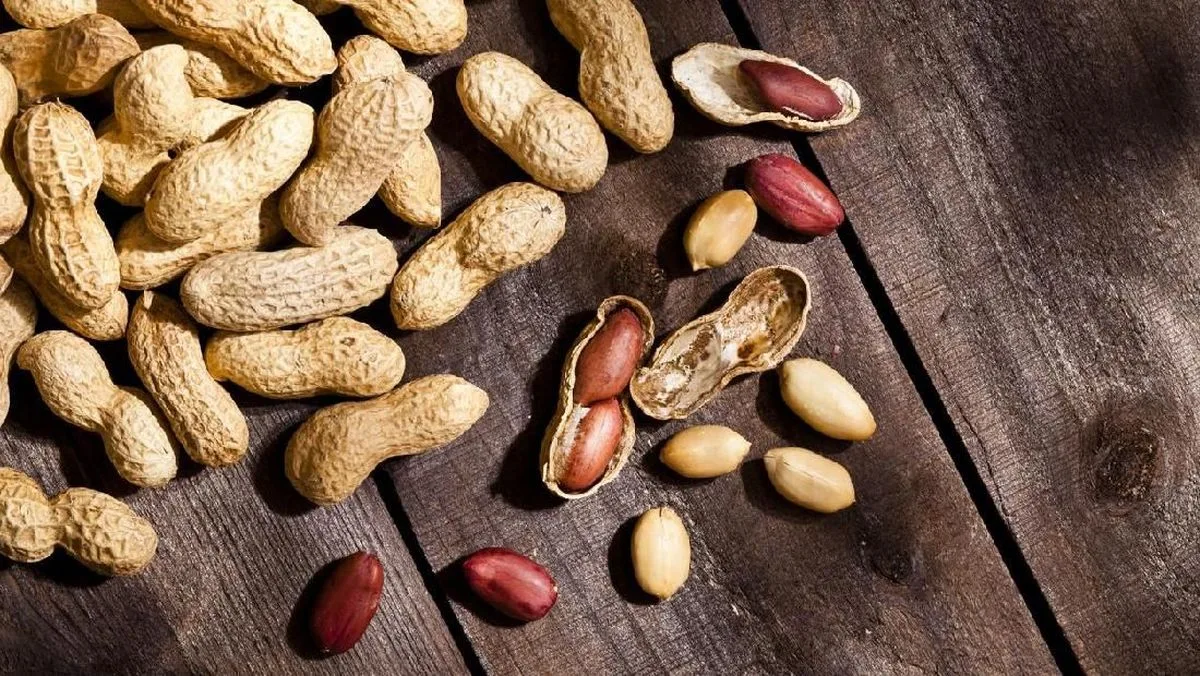
The Directorate of Special Criminal Investigation (Ditreskrimsus) of Polda Metro Jaya has uncovered an alleged smuggling case involving 49.85 tons of peanuts from India stored in a warehouse in Penjaringan, North Jakarta. The goods lacked the required import documents, so they are strongly suspected of having entered the country illegally.
Director of Reskrimsus Polda Metro Jaya Kombes Victor Dean Mackbon said the commodity was believed to have originated abroad and entered through Dumai, Riau, before being transported overland to the jurisdiction of Polda Metro Jaya. "These goods are suspected to have originated abroad, entered through the Dumai area, Riau, then were transported overland to the jurisdiction of Polda Metro Jaya," Victor told reporters on Wednesday (16/9).
During the warehouse search, police found 458 sacks weighing 50 kilograms each and 1,078 sacks weighing 25 kilograms each, with a total weight reaching 49.85 tons. In addition, investigators seized a number of supporting documents such as transaction files, delivery orders, sales records, deposit receipts, and goods storage documents.
Victor stressed that the enforcement action was taken because the party carrying the peanuts could not show the required official documents, from the Import Approval (PI) and Surveyor Report to the Quarantine Certificate. "This case relates to the alleged illegal import or smuggling of peanut commodities that do not meet import licensing provisions and quarantine requirements," he explained.
Currently, investigators are still tracing the origin of the goods and their distribution flow, from the entry process and storage location to the marketing plan. The goal is to establish the legal liability of the parties involved. "So for now we have examined six witnesses. So as for the construction, for the perpetrators, we are still in the process of proving it. So there are no suspects yet, it is still under investigation," Victor said.
"For now the investigation continues so that we can position or construct the perpetrators or who is responsible regarding the illegal trade that we can uncover," said Victor.
Police suspect violations of the Horticulture Law, the Animal Quarantine Law, and the Trade Law. The case has emerged amid rising national food demand, particularly for peanuts, which are widely used as raw material for the food and snack industry.
Such illegal import practices have the potential to harm local farmers by flooding the market with cheaper products, while also posing health risks if they do not go through quarantine inspection. In addition, the loss of potential state revenue from import duties and taxes is a serious concern.
International trade observers assess that supervision gaps at small ports and overland routes remain a weak point. "The smuggling modus through Dumai shows that supervision in border areas and small ports needs to be strengthened, especially for food commodities with high economic value," said a trade policy analyst who declined to be named.
Until now, investigators continue to develop this case to uncover a wider network. The public is waiting to see whether the investigation will lead to a larger illegal import syndicate, and how the government will tighten supervision at smuggling-prone points.