Saudi Arabia Issues Security Alert in Makkah and Jeddah; KPK Names 8 Suspects in ATR/BPN Bribery Case
Baca dalam 60 detik
- Otoritas Arab Saudi mengeluarkan peringatan keamanan di Makkah dan Jeddah setelah serangkaian serangan oleh kelompok yang bersekutu dengan Iran.
- KPK menetapkan delapan tersangka dugaan suap dan gratifikasi di Kementerian ATR/BPN, empat di antaranya disebut orang kepercayaan Menteri Nusron Wahid.
- Dua peristiwa ini menimbulkan pertanyaan tentang stabilitas kawasan dan komitmen pemberantasan korupsi di sektor agraria yang strategis bagi iklim investasi.
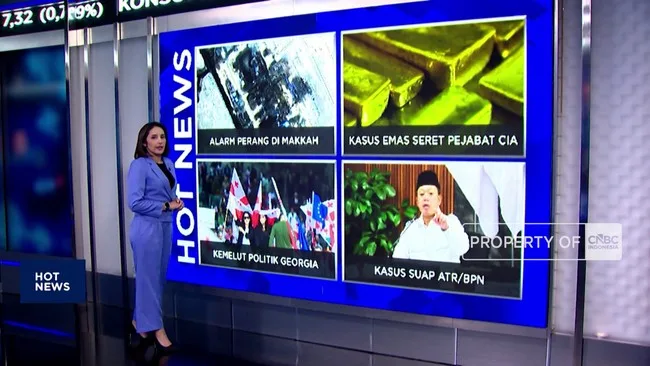
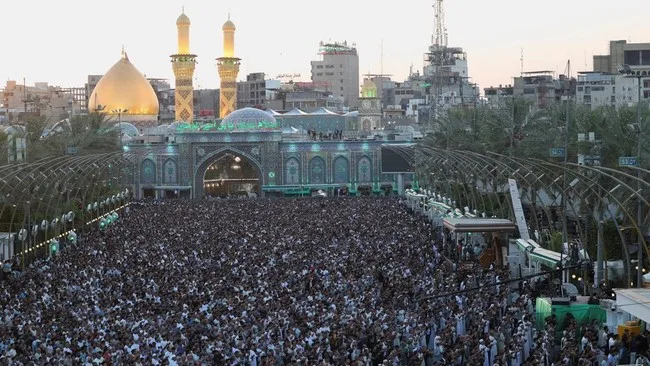
Saudi Arabia issued a security alert in several regions, including the holy cities of Makkah and Jeddah, on Tuesday (15/9/2026) local time. The alert came after a series of attacks by groups allied with Iran, marking an escalation of tensions in the Gulf region with implications for pilgrim safety and energy market stability.
At almost the same time, the Corruption Eradication Commission (KPK) named eight people as suspects in an alleged bribery and gratification case within the Ministry of Agrarian Affairs and Spatial Planning/National Land Agency (ATR/BPN). Four of the eight suspects are said to be trusted associates of ATR Minister/BPN Head Nusron Wahid. The designations add to a long list of problems at the ministry that manages one of Indonesia's most sensitive assets: land.
These two events, though in different spheres, both highlight vulnerabilities that could directly affect Indonesia. Geopolitically, tensions in the Middle East could disrupt shipping lanes and energy supplies, which in turn affect global oil prices and the domestic energy subsidy budget. Domestically, the bribery case at ATR/BPN underscores governance risks in a sector that serves as the gateway for property and infrastructure investment.
For investors and businesses in Indonesia, the signal from Saudi Arabia deserves close attention. Attacks by groups allied with Iran could trigger a broader military response, risking disruption to oil shipments through the Strait of Hormuz. If escalation continues, crude oil prices could spike, pressuring the trade balance and widening the budget deficit. The government needs to anticipate this chain reaction, including the possibility of politically sensitive increases in subsidized fuel prices.
Meanwhile, the case at ATR/BPN could weaken public trust in bureaucratic reform. The ministry manages land certification, spatial permits, and agrarian disputes that often become sources of conflict. The naming of suspects from the minister's inner circle shows that bribery practices remain entrenched, even in a ministry that is aggressively pushing national strategic programs. Anti-corruption observers view the action as a test of the government's commitment to cleaning up the agrarian sector, which has long been a target for investors due to the potential for land mafia.
"The naming of these suspects is an alarm that land governance remains vulnerable. Foreign and domestic investors need legal certainty, not negotiations under the table," said a public policy analyst monitoring the case.
The direct impact on the business world is increased due diligence risk in land acquisition. Property, plantation, and energy companies that depend on ATR/BPN permits may face delays or reviews. If not handled quickly, this case could lower Indonesia's ease-of-doing-business ranking, which has been one of the main attractions for foreign investors.
The government faces two simultaneous pressures: maintaining external stability amid Middle East turmoil and fixing internal integrity in the agrarian sector. The KPK's swift move to resolve this case would be a positive signal, but it must also be matched by systemic improvements so that corruption loopholes do not recur. Meanwhile, Indonesia's diplomacy in the Gulf region needs to be strengthened to ensure the safety of citizens, including hajj and umrah pilgrims, as well as the smooth flow of energy supplies.
Going forward, the public will wait to see whether Saudi Arabia's security alert is merely temporary or marks a new chapter of regional tension. On the other hand, eyes are also on the KPK: will these eight suspects be pursued thoroughly up to the main actors, or will it again stop at the implementer level? The answers to these two questions will determine the direction of Indonesia's stability and investment climate in the coming months.