New Zealand Apologizes: Tom Phillips' Children Left in the Forest for Nearly 4 Years
Baca dalam 60 detik
- Pemerintah Selandia Baru secara resmi menyampaikan permintaan maaf kepada tiga anak Tom Phillips yang hidup di hutan selama hampir empat tahun sebelum ayah mereka tewas dalam baku tembak dengan polisi.
- Hasil penyelidikan independen menemukan bahwa sejumlah instansi negara mengabaikan dan meremehkan laporan kekhawatiran ibu anak-anak tersebut, serta gagal meluncurkan operasi pencarian dan penyelamatan sejak awal.
- Kasus ini memicu pertanyaan serius tentang efektivitas koordinasi antar-lembaga perlindungan anak dan pengawasan senjata api di Selandia Baru, dengan implikasi bagi sistem serupa di negara lain.
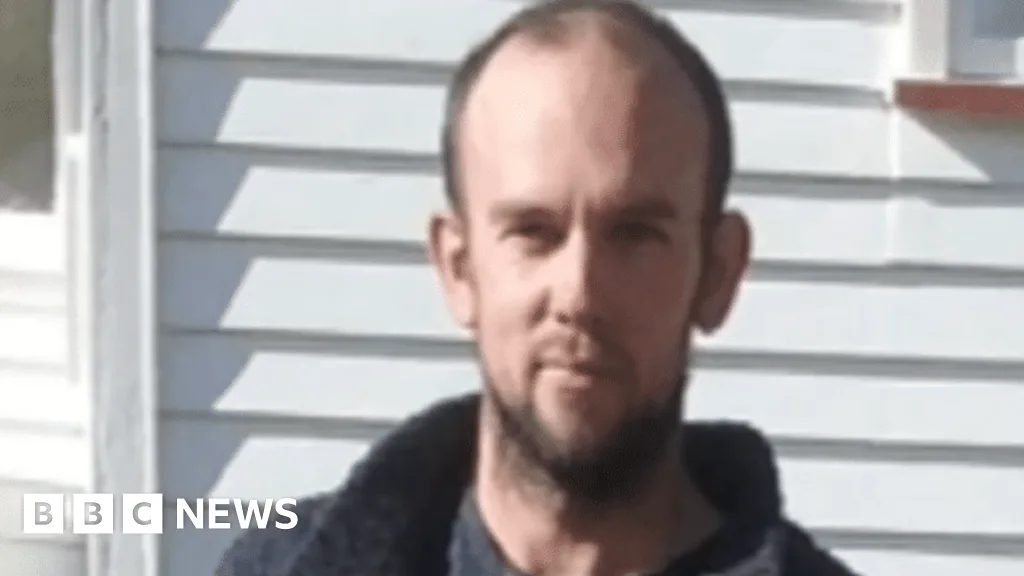
New Zealand Prime Minister Christopher Luxon issued an official apology to the three children of Tom Phillips, the man who took them to live in the forest for nearly four years before he was killed in a shootout with police in September 2025. The apology followed the findings of an independent inquiry that judged state authorities had failed to protect the three children.
“There were missed opportunities... and we regret the impact on those children,” Luxon said on Wednesday (8/10/2025), as quoted by local media. He also apologized to the children's mother, acknowledging that they were “let down by a process that saw them spend four years in the forest.”
The inquiry, led by former High Court judge Simon Moore, found that the relevant agencies—the police, the child protection agency Oranga Tamariki, the armed forces, and the education ministry—had “downplayed, minimized, or ignored” the impact of prolonged isolation on the children's welfare. The report also criticized the tendency of those institutions to often treat the children's mother's concerns, including about firearm safety, as merely part of a custody dispute.
The case has raised fundamental questions about how the state could allow a fugitive with three young children to escape oversight for years. The inquiry found a number of missed opportunities, including several reports of sightings of Phillips and his children that were not followed up quickly. Phillips also turned out not to be completely cut off from the outside world: he visited his mother in February 2022 and received NZ$1,000 in cash along with food, and he spent several hours shopping at various stores in Waikato in August 2023.
Minister for Social Development Louise Upton, as reported by New Zealand media, delivered a direct apology to Phillips' three children. “This report found that our agencies did not take all practical steps to protect you. For that we are deeply sorry,” she said. Upton also highlighted the distressing conditions the children experienced over four years, which she said robbed them of a happy and healthy childhood.
“Was it too long? Did we miss opportunities? Yes, we did. You cannot forget the image of where those children were living at the campsite... It was heartbreaking. We have to be better at this. But at the end of the day, our responsibility was to save the children, and that is what we did.”
— Deputy Police Commissioner Jill Rogers
Deputy Police Commissioner Jill Rogers acknowledged shortcomings, but stressed that the investigation team had done its utmost. She described photos of the squalid campsite where Phillips hid—showing piles of firearms, ammunition, and beer cans amid dense vegetation—as a sight hard to forget.
Indonesian Context
This case serves as a mirror for Indonesia in terms of handling children in at-risk situations. Coordination between agencies—such as the Ministry of Social Affairs, the Indonesian Child Protection Commission (KPAI), the police, and local governments—is often hampered by sectoral ego and a weak integrated reporting system. As in New Zealand, public reports about potential dangers to children are often ignored or treated as a domestic matter. In fact, the Child Protection Law mandates that the state be actively present, not wait for formal reports.
In addition, oversight of firearm ownership in Indonesia—though far stricter—still faces challenges in remote areas. The Phillips case shows how access to firearms and ammunition can worsen the situation of already vulnerable children. For Indonesia, the main lesson is the importance of a cross-agency early warning system and rapid response to any report involving child safety.
Going forward, the New Zealand government faces demands to reform standard operating procedures in handling cases of child abduction by parents, including strengthening inter-agency information-sharing mechanisms. Meanwhile, Phillips' three children are now in the care of authorities and are expected to receive adequate psychological support. Will this tragedy trigger systemic change, or will it merely become a dark note forgotten once media attention fades?