Sexual Harassment Lawsuit Shakes 'Shrinking' Production, Warner Bros Sued
Baca dalam 60 detik
- Mindy Tessa McKoin, asisten sutradara 'Shrinking', menggugat Warner Bros dan produser eksekutif Randall Winston atas tuduhan pelecehan seksual dan manipulasi catatan upah.
- McKoin mengklaim pemecatannya pada Juli 2026 adalah pembalasan setelah ia melaporkan serangan seksual dan pelanggaran ketenagakerjaan.
- Kasus ini menyoroti kerentanan pekerja di balik layar industri hiburan dan potensi dampaknya terhadap praktik ketenagakerjaan di Indonesia.
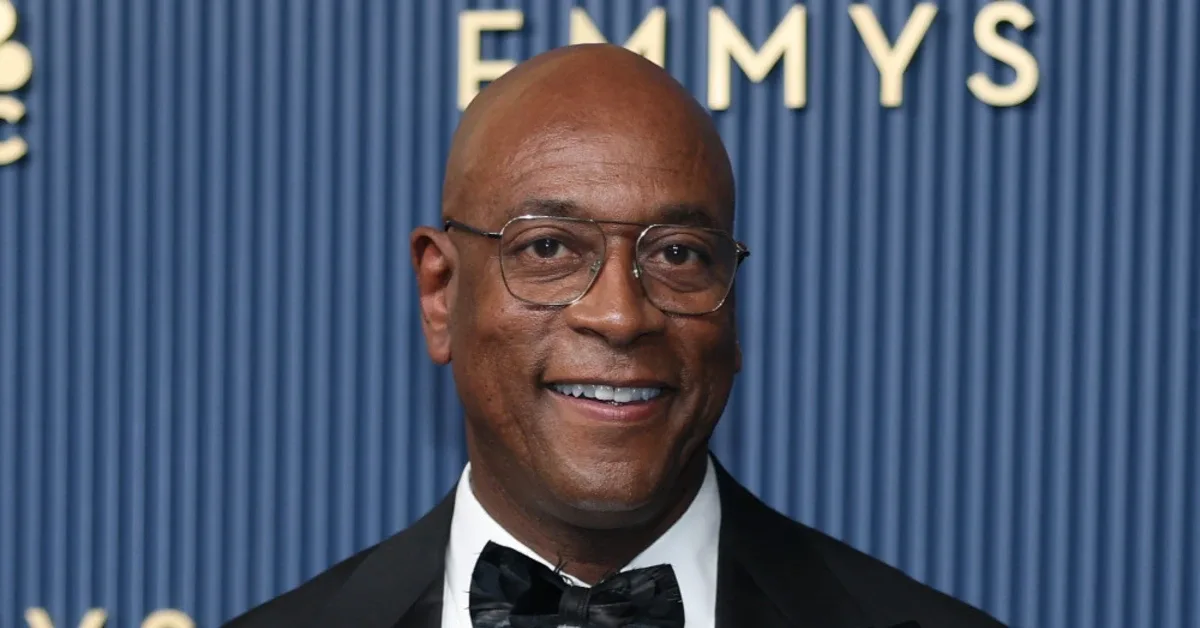
The Hollywood entertainment industry has again been rocked by a lawsuit dragging in the major name Warner Bros Television and executive producer Randall Winston. Mindy Tessa McKoin, who served as Key Second Assistant Director on the popular series Shrinking, filed a lawsuit in court in early July 2026, alleging sexual harassment, indecent conduct, and falsification of time and payroll records. The lawsuit not only exposes alleged misconduct behind the scenes but also opens a Pandora's box regarding worker protection in the creative industry.
McKoin, who had worked since the first season, claims she was abruptly terminated on July 10, 2026, on grounds of "different production needs." However, in the lawsuit documents cited from Deadline, she suspects the dismissal was retaliation for her report of a harassment incident by Winston at the second season's wrap party in June 2024. According to her lawyer, Avi Gholian, during years of service there had never been any record of poor performance or a clear business reason underlying the dismissal.
In the court filing, McKoin recounts that Winston allegedly groped her breast without consent in front of coworkers. That act, she says, created a hostile and intimidating work environment. She also highlights that Warner Bros took no corrective action against Winston, who retained his position as director through the fourth season. "Winston continued to perform his duties and was present on the set at least until July 8, 2026," the lawsuit states.
Beyond the harassment allegations, most of the lawsuit focuses on alleged labor violations. McKoin says she submitted formal complaints both orally and in writing regarding unpaid wages and illegally altered time records. She documented a series of complaints on May 26, May 28, June 10, June 11, June 19, and July 1, 2026. According to her, the dismissal on July 10, 2026, occurred within 90 days of those complaints, indicating retaliation for activity protected under California labor law.
"The conduct was severe enough to alter the plaintiff's working conditions and create a hostile, frightening, and offensive work environment," McKoin wrote in her lawsuit.
This case serves as a mirror for the global entertainment industry, including Indonesia, on the importance of legal protection for behind-the-scenes workers. In Indonesia, the Manpower Law and the TPKS Law have in fact regulated the prohibition of sexual harassment and protection for whistleblowers, yet enforcement is often weak, especially in the informal sector and project-heavy creative industries. Many arts workers and film crews in Indonesia work on short-term contracts without adequate social security, making them vulnerable to exploitation and retaliation if they report violations.
The practice of manipulating time and payroll records is also not unfamiliar in the Indonesian film industry. Several creative workers' unions note that long working hours without proper overtime compensation still frequently occur. If McKoin's case proceeds to a verdict, it could become a precedent for workers in other countries, including Indonesia, to dare to demand their rights. However, without a strong oversight system, many similar violations remain hidden behind the glitter of production.
As of this news being published, Warner Bros and Randall Winston have not provided an official response to media requests for comment. The legal process is expected to take a long time, and the public will scrutinize how the court handles allegations involving influential figures in the entertainment industry. Will this case drive a change in work culture in Hollywood and beyond, or will it instead sink into an out-of-court settlement? What is clear is that McKoin's courage opens an important discussion about accountability and justice in the workplace.