Red Sea Pipeline Attacked, Saudi Arabia Cuts Oil Exports to Europe
Baca dalam 60 detik
- Serangan drone terhadap pipa Timur-Barat memaksa Arab Saudi membatalkan sejumlah kargo minyak mentah untuk pelanggan Eropa dan menghentikan pemuatan di Yanbu.
- Harga fisik Dated Brent di Eropa melonjak ke kisaran US$122 per barel, sementara Orlen asal Polandia berburu pasokan pengganti dari Laut Utara hingga Amerika.
- Ketergantungan pada rute alternatif dan pengiriman gelap berpotensi menekan pasokan global serta mengerek biaya energi impor Indonesia.
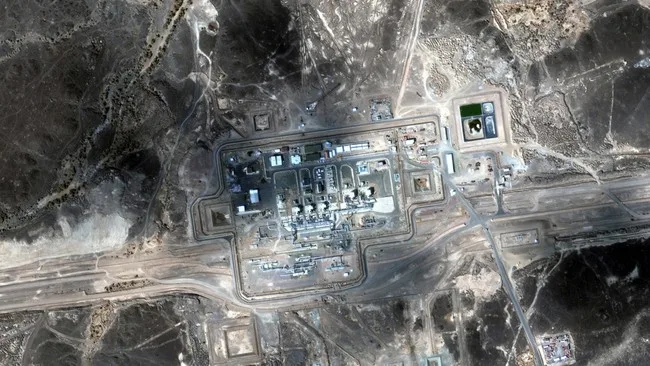
Saudi Arabia has been forced to cut crude oil flows to Europe after a drone attack damaged a major export pipeline running across the desert to the Red Sea. The decision sparked panic among buyers, especially Poland, which is now scrambling to secure alternative supplies amid a surge in physical cargo prices that broke through the US$120 per barrel level.
According to trading and shipping sources, Aramco has told several European customers that cargoes for September loading have been cancelled. Loading activity at the port of Yanbu, one of the main terminals on the Red Sea coast, has also been halted entirely. Aramco declined to comment officially, and there has been no confirmation of how many cargoes were cancelled or how long the suspension will last.
The attack, blamed on Iraqi militia, forced Riyadh to shut the East-West pipeline last Friday. Yet for the past six months, that route had been a lifeline as the Strait of Hormuz was repeatedly threatened by regional war. Now, with the pipeline crippled, Saudi Arabia is expected to divert exports through Hormuz using dark shipping tactics—a maneuver already used by the United Arab Emirates and Iraq to break blockades.
In Poland, integrated energy giant Orlen moved quickly. The company snapped up several crude cargoes through spot tenders on Friday and Monday, covering North Sea grades such as Grane, Johan Sverdrup, and Johan Castberg, as well as WTI Midland from the United States and CPC Blend from Kazakhstan. On Tuesday, Orlen reopened tenders for North Sea or Algerian supply for October delivery, and Guyanese oil for November. The results were reported to be insignificant so far.
Orlen's dependence on Aramco is ironic. Since 2022, the partnership has helped Poland break free from Russian oil. Now, that same dependence makes it vulnerable when its main supplier runs into trouble. Orlen management declined to detail commercial transactions, but stressed that adjusting purchase volumes is a routine part of operations and that refinery deliveries continue normally.
For Indonesia, the supply disruption in the Red Sea and the potential shift to the Hormuz route serve as an early warning. As a crude oil importer, Indonesia competes directly with European and Asian buyers for alternative cargoes. Surging benchmark prices will add pressure on import costs, the trade balance, and energy subsidies. The government and Pertamina need to anticipate price spikes for the crude grades they typically import, while strengthening hedging and diversifying supply sources.
If tensions in the Red Sea continue, the risk premium on physical cargoes could persist longer. The market will watch whether Saudi Arabia can compensate for the loss of the western route through dark shipping at Hormuz, and how quickly Orlen and other European buyers find replacements. The question is whether Indonesia has enough fiscal room and logistical strategy if global oil prices once again test this year's highs?