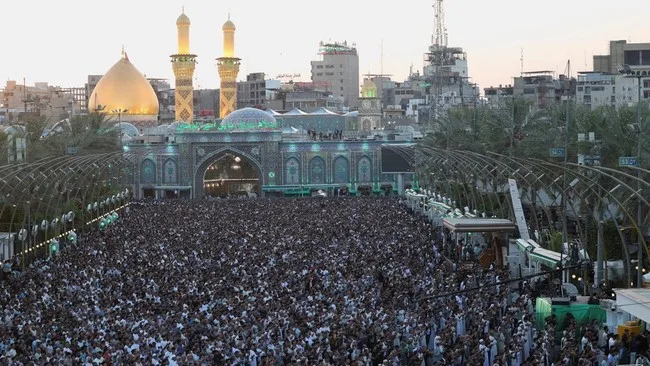
OIC Condemns Houthi Drone Attack on Mecca: A Real Threat to Muslims and Regional Stability
Baca dalam 60 detik
- Organisasi Kerja Sama Islam (OKI) mengecam keras upaya peluncuran drone Houthi yang diarahkan ke Makkah dan Madinah, menyebutnya sebagai tindakan terorisme yang melanggar kesucian tempat ibadah.
- Insiden ini memicu kekhawatiran global akan eskalasi konflik di Timur Tengah, terutama karena menyasar simbol suci umat Islam dan dapat memicu sentimen keagamaan yang lebih luas.
- Bagi Indonesia, sebagai negara dengan populasi Muslim terbesar, serangan ini menegaskan perlunya diplomasi aktif untuk meredakan ketegangan dan melindungi kepentingan jamaah haji dan umrah.
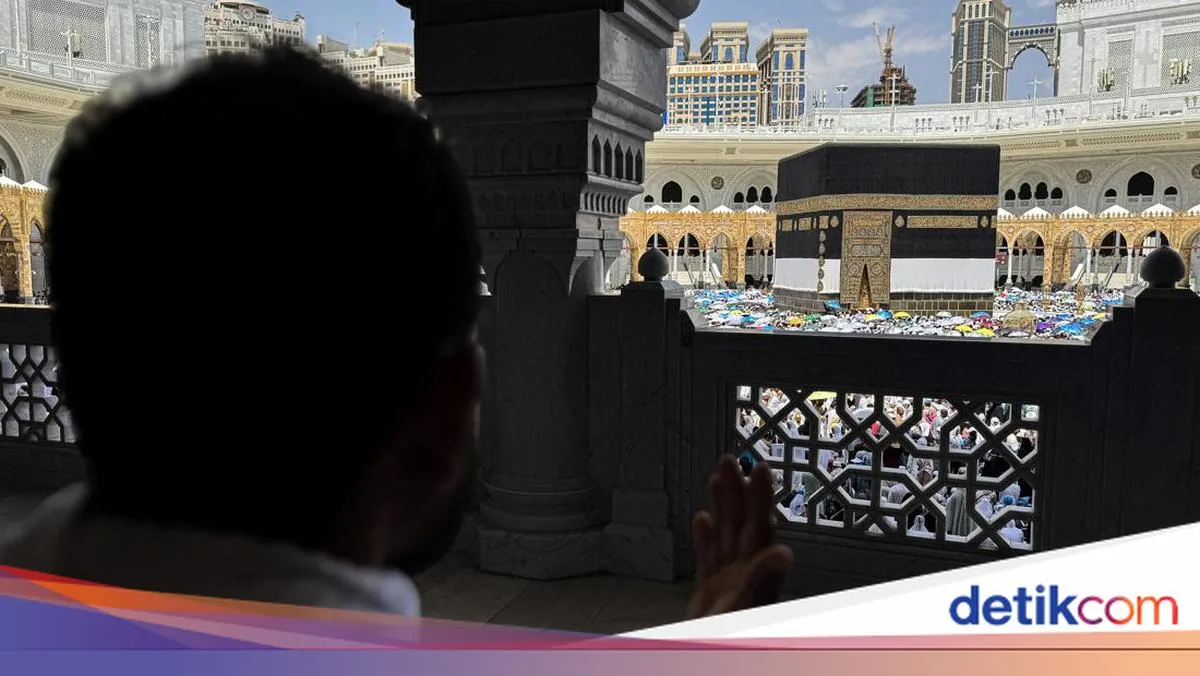
The Organisation of Islamic Cooperation (OIC) issued sharp condemnation of Houthi military action targeting the holy cities of Mecca and Medina. In an official statement released via platform X, the OIC General Secretariat called the attack a barbaric act that not only endangered civilians but also desecrated the most revered sites of Islam.
The incident occurred on Tuesday (15/9) at 18.50 local time, when Saudi air defense systems intercepted a drone flying toward Mecca. Saudi-led coalition spokesman Turki al-Malki stated that the unmanned aircraft was destroyed before entering the restricted zone, with debris falling in the southern part of the city. Although no casualties were reported, the incident marked the first time warning sirens sounded in Mecca during the ongoing conflict.
The OIC assessed that the attack not only violated international law but also risked inflaming Muslims worldwide. In its statement, the organization stressed that actions against holy sites and civilian infrastructure constitute terrorism contrary to Islamic values. The OIC also expressed full solidarity with Saudi Arabia and supported all efforts by the kingdom to protect its sovereignty and the safety of the faithful.
However, the Saudi coalition's official narrative was denied by a Houthi official. Hazem al-Assad of the Houthi political bureau wrote on X that the accusation of targeting Mecca was a lie that has been used repeatedly and is no longer believed. The denial adds another layer of complexity to the Yemen conflict, which is increasingly drawing in regional and international actors.
"These attacks spread fear among innocent civilians, violate the sanctity of holy sites and mosques, and provoke the sentiments of Muslims worldwide," the OIC statement said.
For Indonesia, as the country with the world's largest Muslim population, the incident has direct implications. Beyond serving as a reminder of the importance of maintaining stability in the Middle East, an attack on Mecca could affect the psychology of prospective hajj and umrah pilgrims awaiting departure. The Indonesian government is urged to strengthen preventive diplomacy, ensure the safety of its citizens, and support de-escalation efforts through the OIC and the UN.
From a geopolitical perspective, the Iran-affiliated Houthi action could widen the rift between Sunni and Shia blocs, potentially affecting oil price stability and global supply chains. Investors in energy and Islamic finance markets need to monitor these developments, as escalation could trigger commodity price volatility and raise the regional risk premium.
Looking ahead, the big question is whether the OIC and the international community can push for dialogue that halts provocations against holy sites, or whether this conflict will instead trigger a broader confrontation. Indonesia, with its strategic position, has the opportunity to serve as a bridge for peace if it can play an active mediation role.