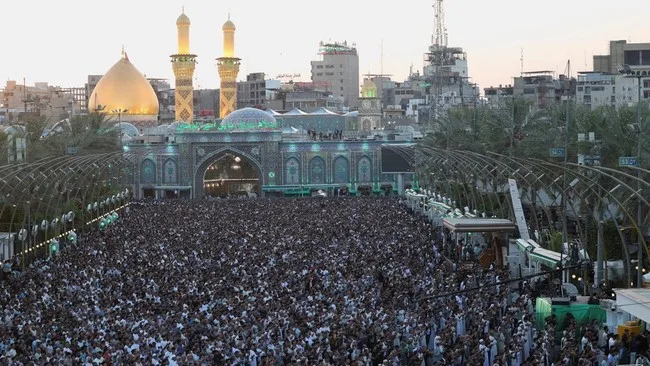
OIC Condemns Houthi Drone Attack on Mecca: Terrorism Against Holy Sites
Baca dalam 60 detik
- Organisasi Kerja Sama Islam (OKI) menyatakan serangan drone Houthi ke Makkah sebagai tindakan terorisme yang melanggar kesucian tempat suci Islam.
- Arab Saudi berhasil mencegat drone sebelum memasuki wilayah udara terlarang, sementara Houthi membantah klaim penargetan Makkah.
- Eskalasi konflik di Timur Tengah berpotensi mengganggu stabilitas kawasan dan menimbulkan kekhawatiran bagi umat Islam Indonesia, termasuk jemaah haji dan umrah.
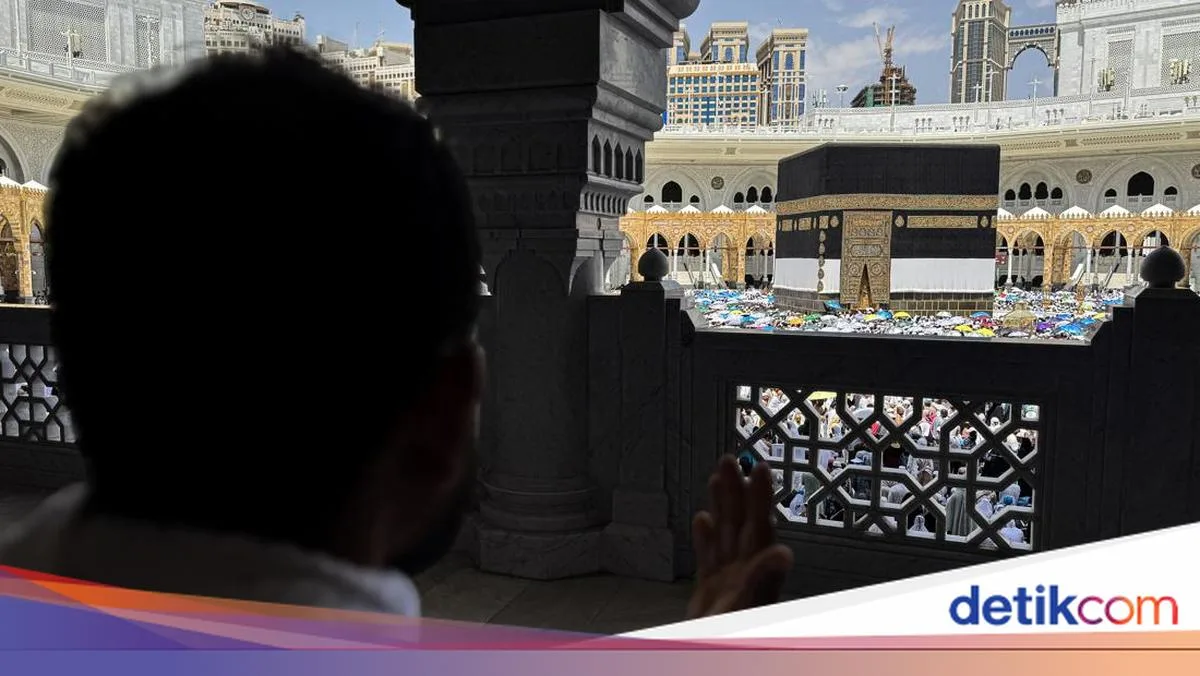
The Organisation of Islamic Cooperation (OIC) strongly condemned an attempted drone attack by the Houthi group toward Mecca, Saudi Arabia. In an official statement on platform X, the OIC General Secretariat called the act a "heinous attack" that not only threatened the safety of civilians but also desecrated the sanctity of Islam's holiest city.
The incident occurred on Tuesday (15/9) at 18.50 local time. Saudi air defense systems were reported to have intercepted the drone before it entered restricted airspace. The spokesman for the Saudi-led coalition, Turki al-Malki, said debris from the drone fell south of the city, causing no casualties. However, the event has triggered global concern, especially since Mecca is home to the holiest sites for Muslims.
In its statement, the OIC stressed that attacks on holy sites and civilian infrastructure are intolerable acts of terrorism. The organization also expressed full solidarity with Saudi Arabia and support for all measures taken to protect the sovereignty and safety of Muslims. "These attacks spread fear among innocent civilians, violate the sanctity of holy sites and mosques, and provoke the sentiments of Muslims worldwide," the OIC statement read.
However, a Houthi official, Hazem al-Assad, denied the Saudi-led coalition's claim that it had shot down a drone aimed at Mecca. Through his personal X account, he called the report an "outdated lie" that had been used before and could no longer deceive anyone. The denial adds to the complexity of the situation, as no party has directly claimed responsibility for the incident.
A day earlier, Saudi Arabia had issued an emergency warning anticipating potential attacks in several areas, including Mecca and Jeddah. The warning was the broadest since the conflict escalated last week, and for the first time warning sirens sounded in Mecca during this conflict. Although the warning was lifted shortly afterward and Saudi authorities did not report any projectiles falling, the incident marks a significant rise in tensions.
For Indonesia, as the country with the world's largest Muslim population, an attack on Islam's holy sites is not merely an international issue but also touches religious sentiment and national interests. Every year, hundreds of thousands of Indonesian hajj and umrah pilgrims visit Mecca and Medina. Security disruptions in the region could affect the smooth conduct of worship and raise concerns among prospective pilgrims. The Indonesian government, through the Ministry of Religious Affairs and the Ministry of Foreign Affairs, needs to keep monitoring developments and ensure protection for citizens in Saudi Arabia.
In addition, the escalation of conflict in the Middle East could affect the stability of global oil prices. Saudi Arabia is one of the largest oil producers, and any tension in the Gulf region can shake global energy markets. For Indonesia as an oil importer, a rise in crude oil prices could affect inflation and the energy subsidy budget. Investors in the capital market also need to watch the market's reaction to these developments, especially shares in the energy and commodities sectors.
From a geopolitical perspective, this attack shows that the Yemen conflict remains a source of broader instability. The Iran-backed Houthis are increasingly bold in launching cross-border attacks, while the Saudi-led coalition is struggling to defend its territory. The involvement of external actors such as Iran and the United States makes the situation increasingly complex. The OIC, as an organization encompassing 57 Muslim countries, is expected not only to condemn but also to push for a sustainable diplomatic solution.
Going forward, the big question is whether this escalation will trigger a larger military response from Saudi Arabia, or instead open the way for peaceful negotiations. What is clear is that the attack on Mecca has crossed the boundaries of the conflict and raised deep concern among Muslims globally. Indonesia, with its position as the largest Muslim democracy, can play a diplomatic role in pressing for de-escalation and protecting the sanctity of places of worship.