ATR/BPN Sting: Rp106 Billion in Evidence, Largest in KPK History
Baca dalam 60 detik
- KPK menyita uang Rp106,3 miliar dalam operasi tangkap tangan di Kementerian ATR/BPN, jumlah terbesar yang pernah dicatat lembaga antirasuah itu.
- Kasus ini menyeret delapan tersangka, termasuk pejabat BPN, politikus Golkar, dan bos PT Summarecon Agung, serta diduga melibatkan orang kepercayaan Menteri Nusron Wahid.
- Pengamat mendorong KPK menjerat korporasi agar keuntungan dari korupsi dapat dirampas dan efek jera lebih maksimal.
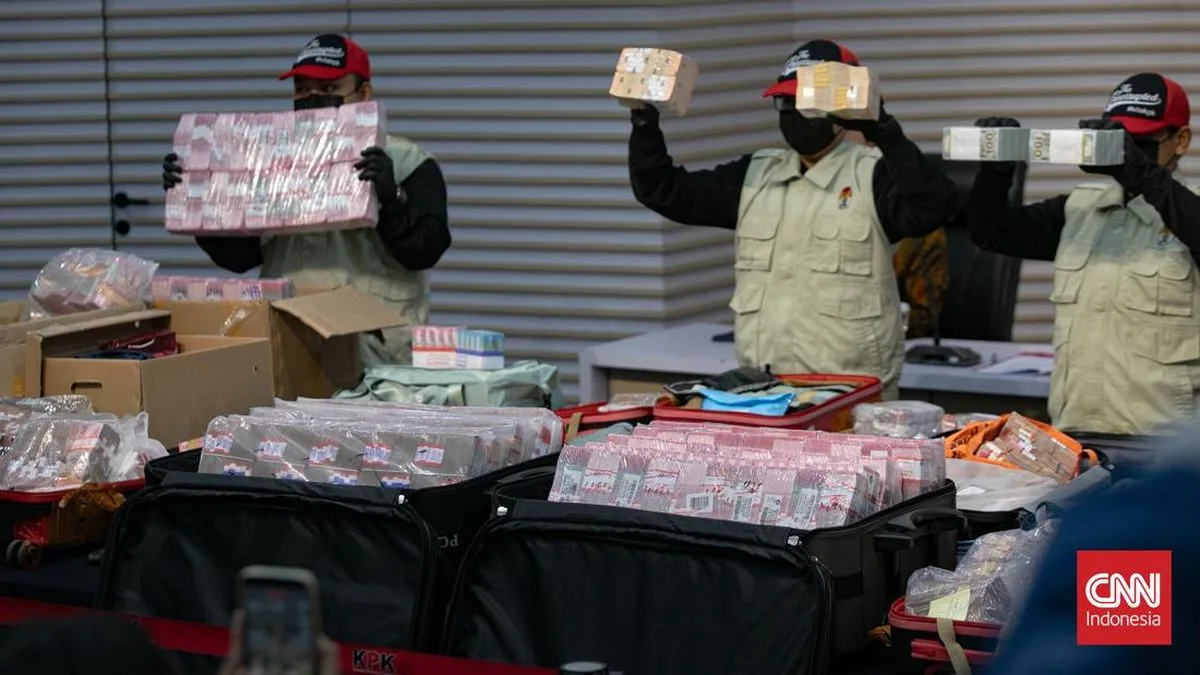
The Corruption Eradication Commission (KPK) seized Rp106.3 billion in cash during a sting operation (OTT) at the Ministry of Agrarian Affairs and Spatial Planning/National Land Agency (ATR/BPN). The amount is described as the largest in the history of the KPK.
The chairman of the Indonesia Memanggil (IM57+) Institute, Lakso Anindito, said no previous sting had ever seized assets of such magnitude. "This is the sting with the largest asset seizure in KPK history, worth more than Rp100 billion," he said in a written statement on Wednesday (16/9).
Lakso highlighted that the size of the evidence is directly proportional to the alleged involvement of strategic figures. The case came to light after the KPK named eight suspects, including the President Director of PT Summarecon Agung Tbk, Adrianto Pitojo Adhi, and several officials within BPN.
According to Lakso, corruption in the land sector is a major gap that has long been difficult to close. He said involvement by parties at the central BPN office is highly likely given the scale of the case. "This means that at the very least, parties at the central BPN are very likely to be involved," he said.
He also urged the KPK to apply a corporate criminal liability approach. That way, remediation of the impact can be carried out optimally, not only by confiscating bribe money but also the corporate profits obtained from the crime. "This will increase the deterrence effect of the enforcement actions carried out by the KPK," Lakso said.
"I believe that KPK investigators will be able to demonstrate their independence by reaching as far as possible into strategic parties, naming suspects among decision-makers at the central BPN given the scale of this case. On the other hand, naming the corporation as a suspect must be done."
— Lakso Anindito, Chairman of IM57+ Institute
The case ensnares eight people: the Head of the Bogor Regency Land Office, Sontang Coin Manurung; Golkar Party politician Fahd El Fouz alias Fahd A Rafiq; former Kebumen Regent Arif Sugiyanto; President Director of PT Summarecon Agung Tbk Adrianto Pitojo Adhi; Director General of Land and Spatial Control and Order at the Ministry of ATR/BPN Lampri; as well as Muhammad Fakhry, Erwin, and Rizal Pahlevi. Arif, Fahd, Erwin, and Muhammad Fakhry were named by the KPK as confidants of Agrarian and Spatial Planning Minister Nusron Wahid.
The suspects have been detained for an initial 20 days from 15 September to 4 October 2026 at the KPK's Gedung Merah Putih detention center. The detention marks a new chapter in a case that has gripped public attention.
In the Indonesian context, the case highlights the vulnerability of land governance, which has long been a source of conflict and corruption. The property and land sector often involves large transaction values, making it prone to bribery. The involvement of a major company such as Summarecon Agung raises questions about business practices in the property industry. If the KPK succeeds in ensnaring the corporation, this could set an important precedent for law enforcement in the private sector.
In addition, the KPK's independence is being tested because the case involves a minister's confidants and senior politicians. The public will be watching closely to see whether investigators can reach actors at the centers of power. Transparency and accountability in the legal process are key to maintaining public trust.
Going forward, attention is focused on the KPK's next steps: will it name new suspects from the central BPN or a corporation? And what will be the impact on the property investment climate and business confidence? What is clear is that this sting is a reminder that corruption in the land sector remains a major unresolved problem requiring systemic handling.