Village Funds Can Now Cover BPJS Ketenagakerjaan Contributions for Vulnerable Workers
Baca dalam 60 detik
- Kemendes PDT membuka jalan pemanfaatan dana desa untuk menutup iuran BPJS Ketenagakerjaan bagi pekerja informal di desa.
- Skema ini menyasar penganggur, setengah penganggur, perempuan kepala keluarga, dan warga miskin melalui program Padat Karya Tunai Desa.
- Iuran Rp16.800 per bulan dinilai memberi perlindungan maksimal, termasuk beasiswa anak peserta hingga perguruan tinggi.
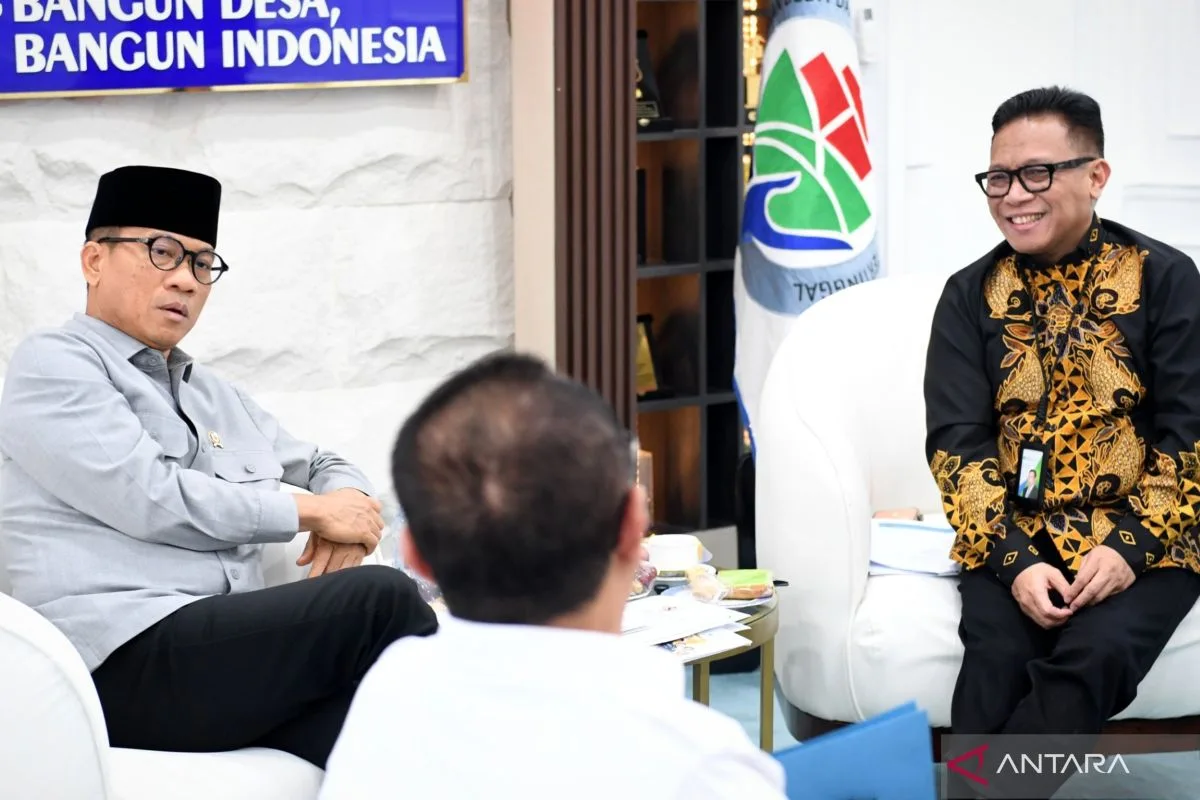
The government has opened a new option in village fund management: covering BPJS Ketenagakerjaan contributions for informal workers in rural areas. Minister of Villages and Development of Disadvantaged Regions (Mendes PDT) Yandri Susanto stressed that village funds, particularly through the Village Cash-for-Work (PKTD) program, can be allocated to pay for social security participation for vulnerable groups. The policy is set out in Ministerial Regulation of Villages PDT No. 16 of 2025 on Operational Guidelines for the Focus of Village Fund Use in 2026.
The move marks a shift in the function of village funds from merely financing infrastructure to becoming an instrument of social protection. Until now, village funds have been better known for financing roads, irrigation, or markets. Now, part of the allocation can be converted into social security for farm laborers, mosque caretakers, and other odd-job workers who have long fallen outside the employment safety net. "Village funds, including through the PKTD program, can be used to pay BPJS TK participation contributions," Yandri said at a meeting with BPJS Ketenagakerjaan President Director Saiful Hidayat in Jakarta on Tuesday (15/9).
The policy targets the groups hardest to reach by social security programs. Data shows informal workers in villages often lack fixed work contracts, have irregular working hours, and face high occupational accident risks. Yandri cited farm laborers and mosque caretakers as examples of workers needing protection. "This BPJS contribution is only Rp16,800, but the protection is maximum for village workers," he said.
Beyond contributions, Kemendes PDT and BPJS Ketenagakerjaan will hold direct literacy sessions in villages. The aim is for people to understand the benefits of participation, not just the administrative obligation. According to Yandri, good understanding will encourage active participation by informal workers. BPJS Ketenagakerjaan President Director Saiful Hidayat added that participants who pay contributions consistently for three consecutive years can receive benefits of up to tens of millions of rupiah, plus scholarships for their children up to university level.
For readers in Indonesia, especially businesses and investors, the policy could expand the BPJS Ketenagakerjaan membership base. The informal sector accounts for a large share of the workforce, but its contribution to social security remains low. If this village fund scheme works effectively, the number of participants from villages could rise significantly. As a result, long-term fiscal risk can be curbed because the burden of social protection is not entirely borne by the state budget. However, the main challenge lies in the capacity of village governments to manage membership administration and ensure contributions are actually paid.
Going forward, the program's success will depend on oversight and data integration between Kemendes PDT, BPJS Ketenagakerjaan, and village governments. Without a strict verification system, allocating village funds for contributions risks overlapping with other programs or missing the target. The question is whether villages can carry out their new role as providers of a social safety net, or whether they will instead be burdened by administrative demands they have yet to master.