Kapuas Forest Fires Still Burning, Emergency Status Extended to 29 September
Baca dalam 60 detik
- Pemkab Kapuas memperpanjang status tanggap darurat karhutla dan kekeringan selama 14 hari, dari 16 hingga 29 September 2026.
- BMKG memprediksi hujan baru turun pada akhir November, sementara 2.233 hektare lahan sudah terbakar sejak Januari.
- Pemerintah daerah mengusulkan pembuatan sumur bor untuk mengatasi krisis air dan mempercepat pemadaman.
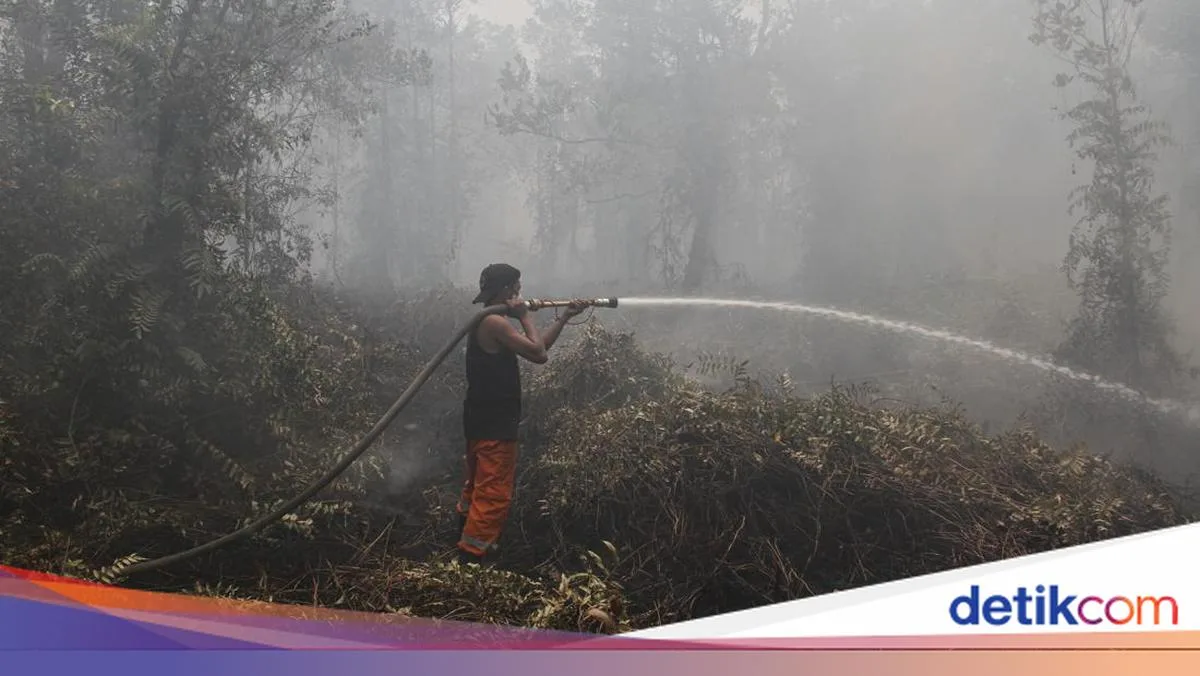
The Kapuas Regency government in Central Kalimantan has decided to extend the emergency response status for forest and land fires (karhutla) and drought for another 14 days, from 16 to 29 September 2026. The policy was taken because conditions on the ground have yet to show significant improvement.
The head of the Kapuas Regional Disaster Mitigation Agency (BPBD), Pangeran S Pandingan, said the extension was decided after an evaluation meeting at the Karhutla and Drought Emergency Response Command Post on Tuesday (15/9) night. The meeting was led by Kapuas Regent Muhammad Wiyatno, accompanied by Regional Secretary Usis I. Sangkap, and attended by Forkopimda officials and district heads across Kapuas Regency.
According to Pangeran, forecasts from the Meteorology, Climatology, and Geophysics Agency (BMKG) show no rain until 20 September. Rain is expected only at the end of November 2026. "Therefore, the emergency status is extended," he said on Wednesday (16/9/2026).
BPBD Kapuas data records that from January to 14 September 2026, there were 258 karhutla incidents with a burned area reaching 2,233.22 hectares. Hotspot distribution was detected at 21,925 points, while ground firefighting efforts were carried out 197 times. These figures underscore that despite various operations, the fires have not been fully brought under control.
During the meeting, the Regent and Kapuas Deputy Police Chief proposed drilling boreholes at several points to address the drought and support firefighting. The proposal was approved on the condition that it complies with applicable regulations. The step is considered crucial because surface water sources are beginning to dry up due to the prolonged dry season.
"We urge the entire community to actively prevent karhutla. Report immediately if you find a fire point so it can be handled as early as possible," Pangeran said.
For readers outside Kalimantan, especially investors and business players, the extension of the emergency status signals that the risk of operational disruption in the plantation, forestry, and logistics sectors remains high. Kapuas Regency is one of the palm oil and rubber barns of Central Kalimantan. Karhutla smoke also has the potential to disrupt flights and public health, as often happens during extreme dry seasons.
The central government through BMKG has warned that this year's dry season is influenced by a moderate El Nino phenomenon. This means similar weather patterns could recur in other areas of Sumatra and Kalimantan. Regional readiness in managing water and peatland crises is a test in itself.
Going forward, the effectiveness of boreholes and integrated patrols will determine whether the emergency status can be lifted before November. If rain truly only falls at the end of November, Kapuas must hold out for at least two more months with limited resources. Can the regional government and the community suppress the number of karhutla incidents without massive artificial rain assistance?